Voyager 1 Reaches One Light-Day From Earth: 49 Years, 16 Billion Miles and Still Phoning Home
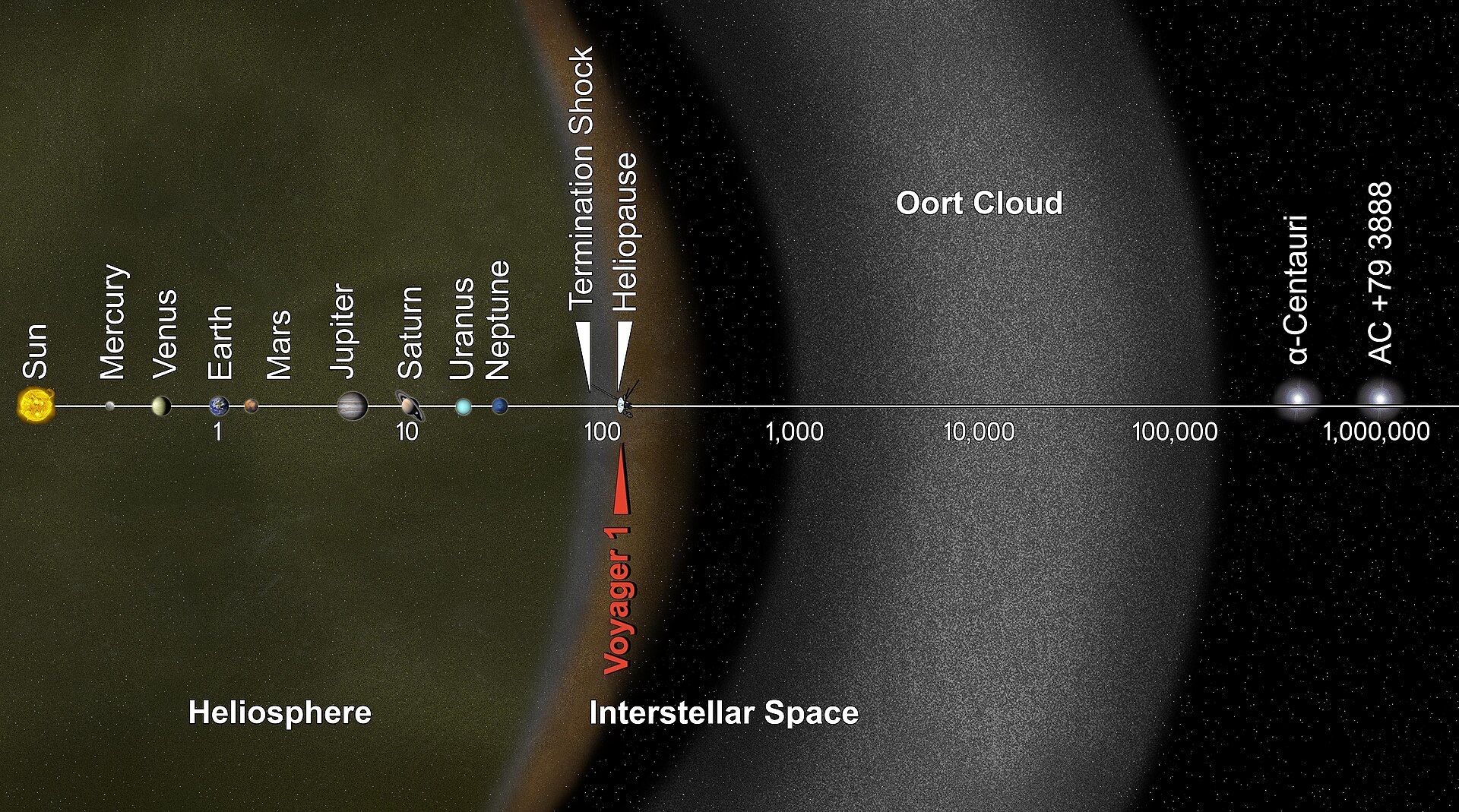
On Nov. 18, 2026, NASA’s Voyager 1 becomes the first human-made object one light-day from Earth. A message from home now takes 24 hours to reach it.
On Nov. 18, 2026, NASA’s Voyager 1 becomes the first human-made object one light-day from Earth. A message from home now takes 24 hours to reach it.
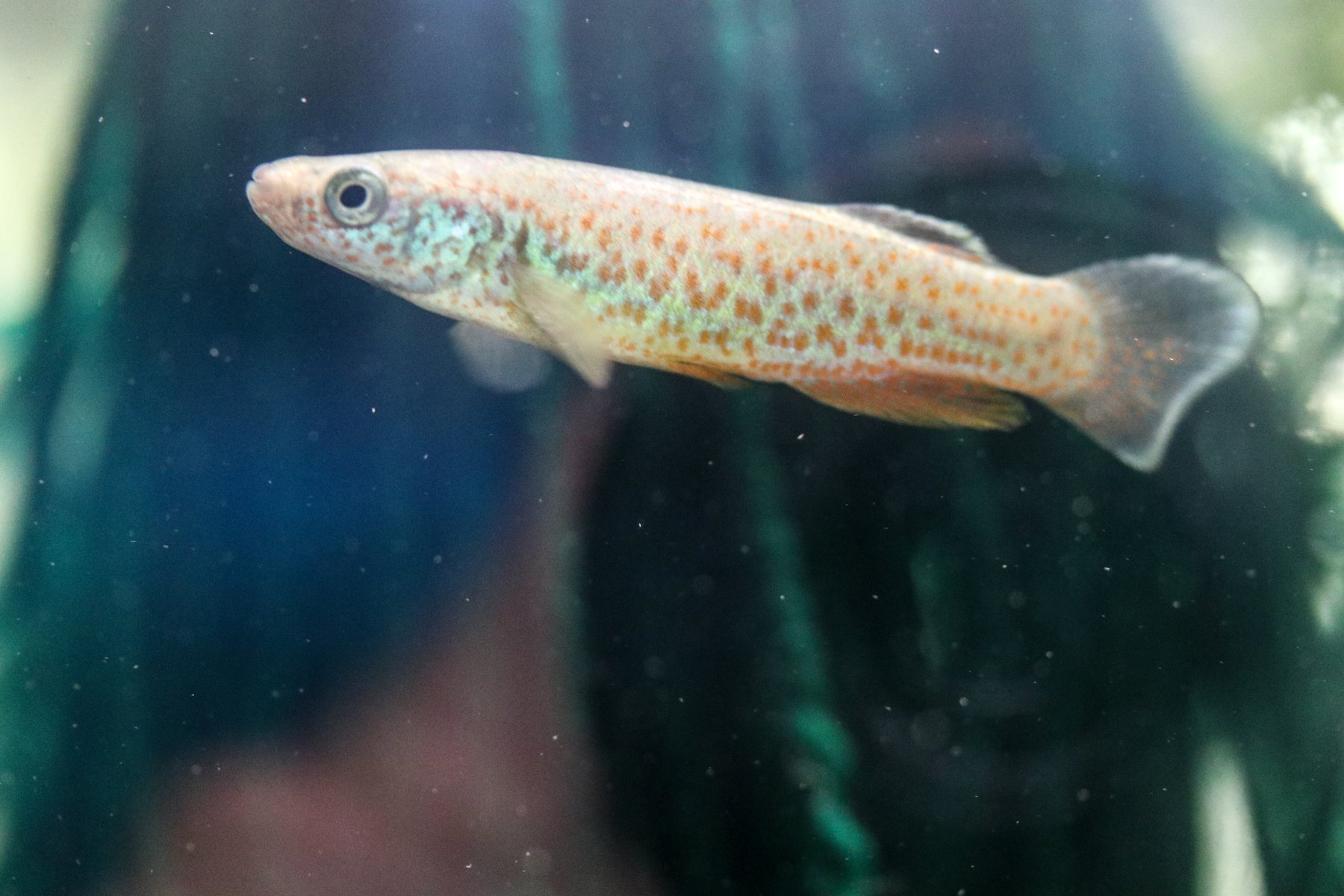
Biologists in Tennessee released 131 endangered Barrens topminnows this November, then rescued 232 wild ones stranded in a drought-shrunken spring pool.
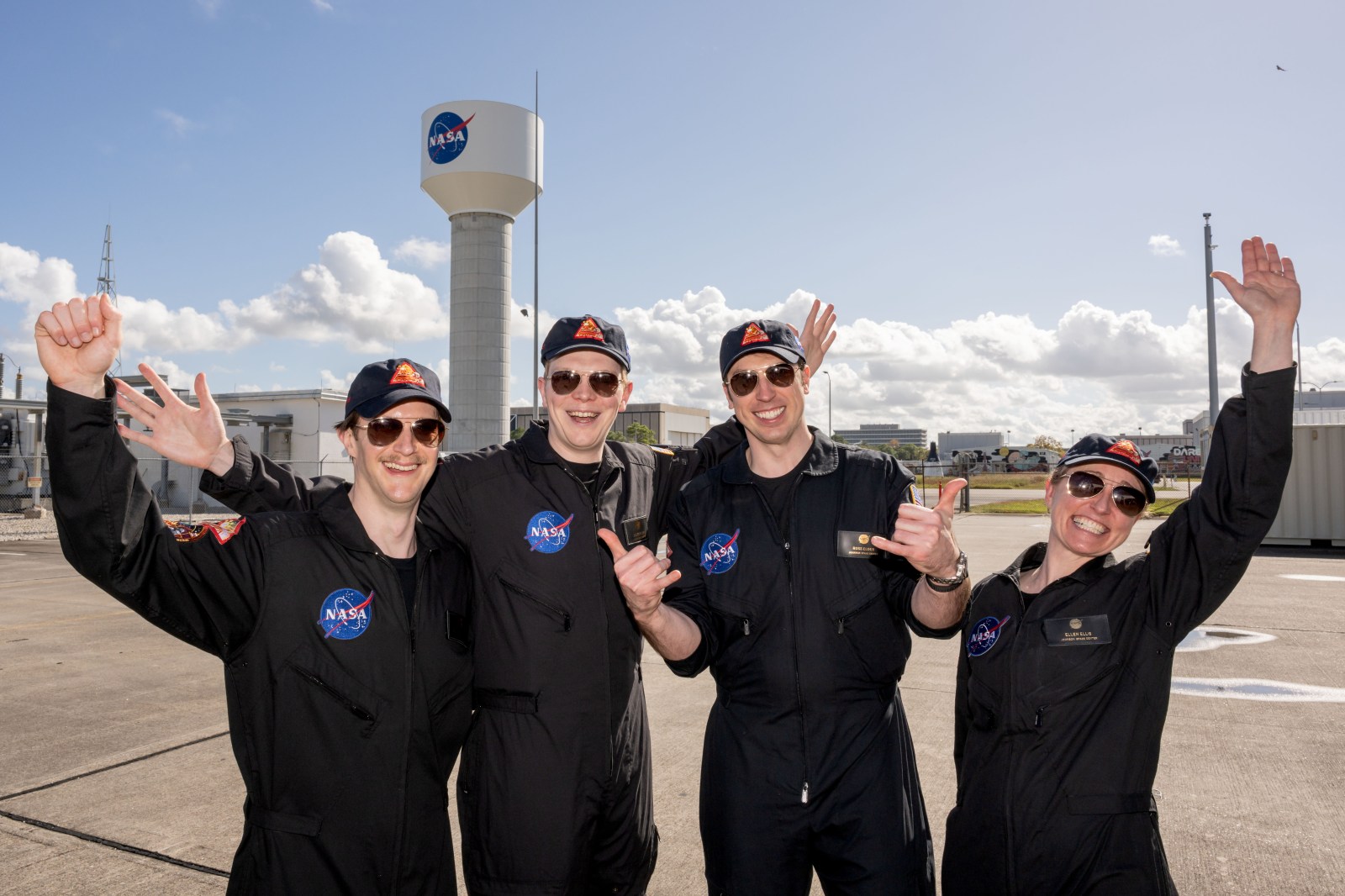
Four volunteers just spent 378 days in NASA’s 3D-printed mock Mars habitat, growing tomatoes, surviving a two-week blackout, and walking out on Oct. 31 as one of the closest teams they’d ever known.
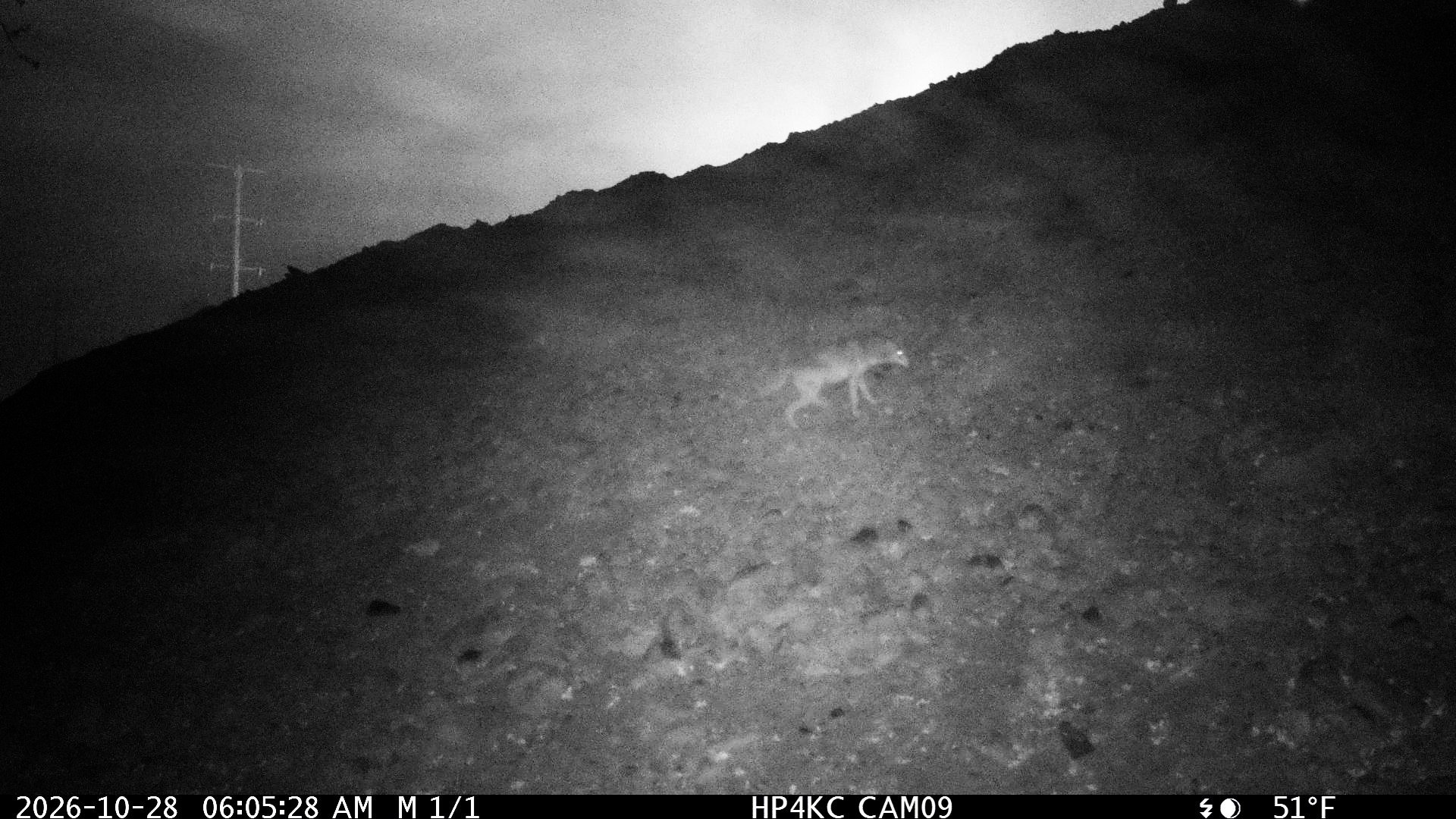
Weeks before its Dec. 2 opening, the world’s largest wildlife crossing over LA’s 101 Freeway already has visitors: a lizard and two curious coyotes caught on National Park Service cameras.
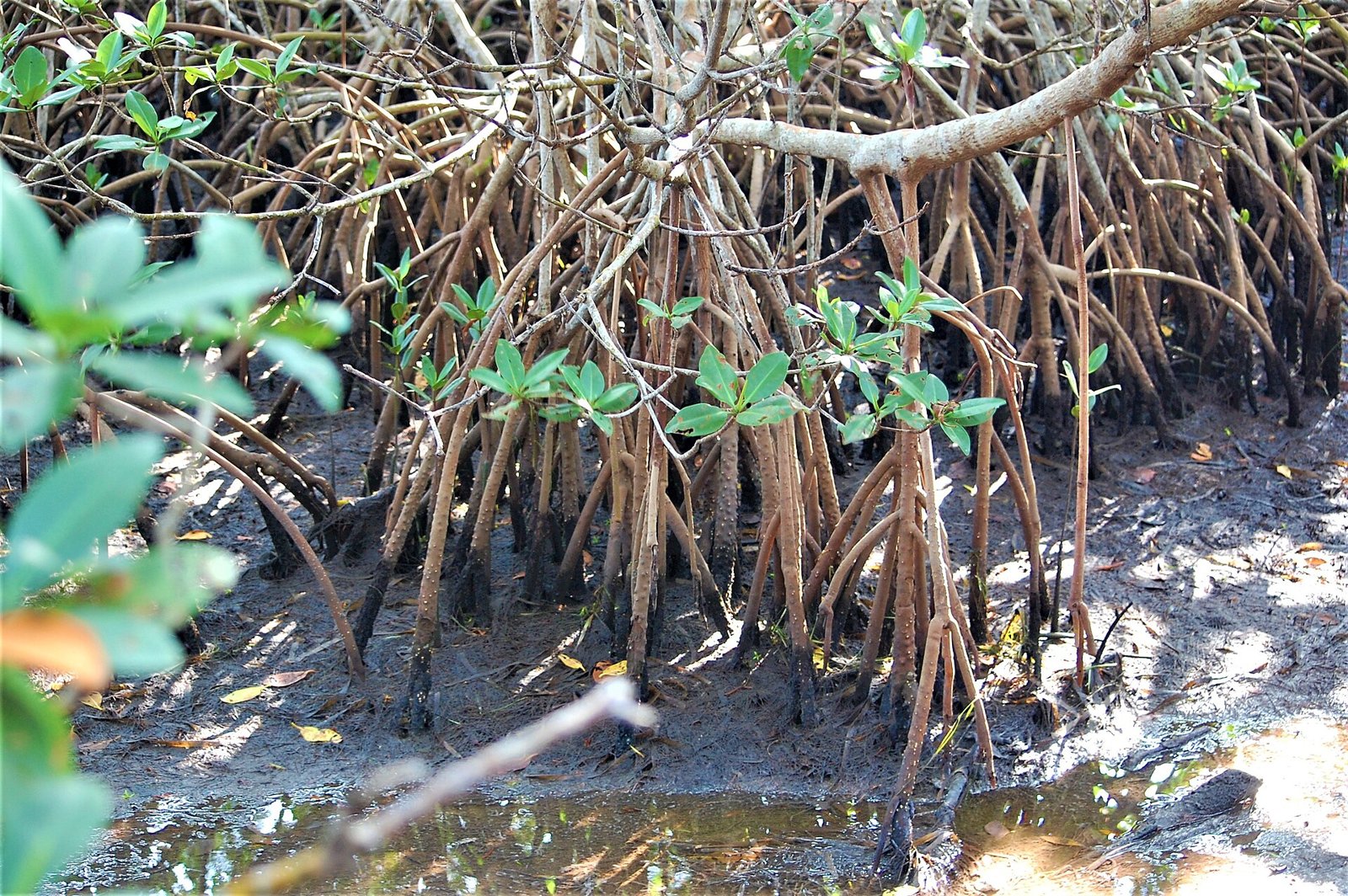
After decades of loss, 40 years of Landsat images show mangroves gaining nearly 2,000 square kilometers since 2010, led by Asia, Australia and South America.
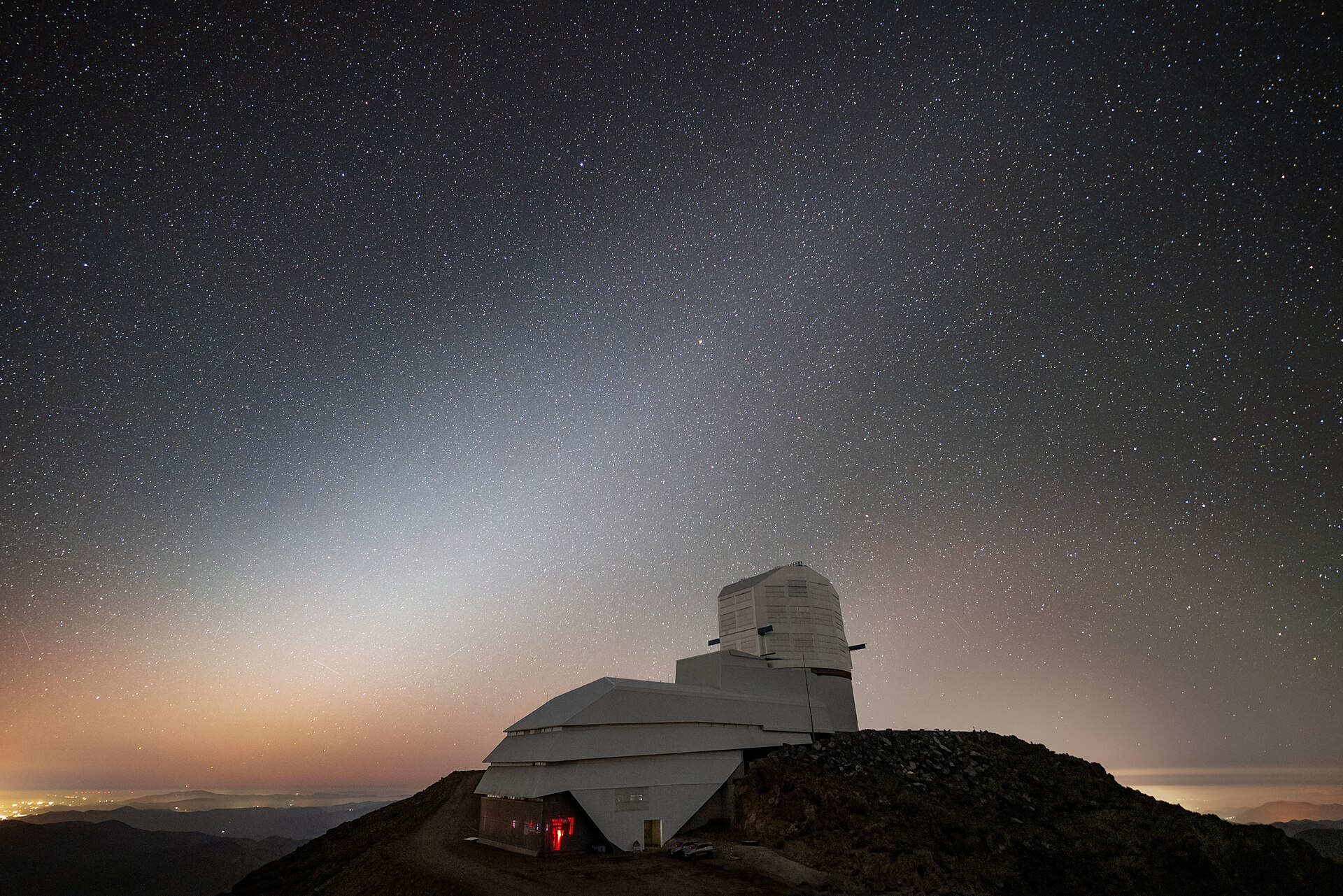
A giant new telescope in Chile has spotted 2026 ED138, a big icy world beyond Pluto that old photos captured decades ago. If confirmed, it would be the sixth dwarf planet.
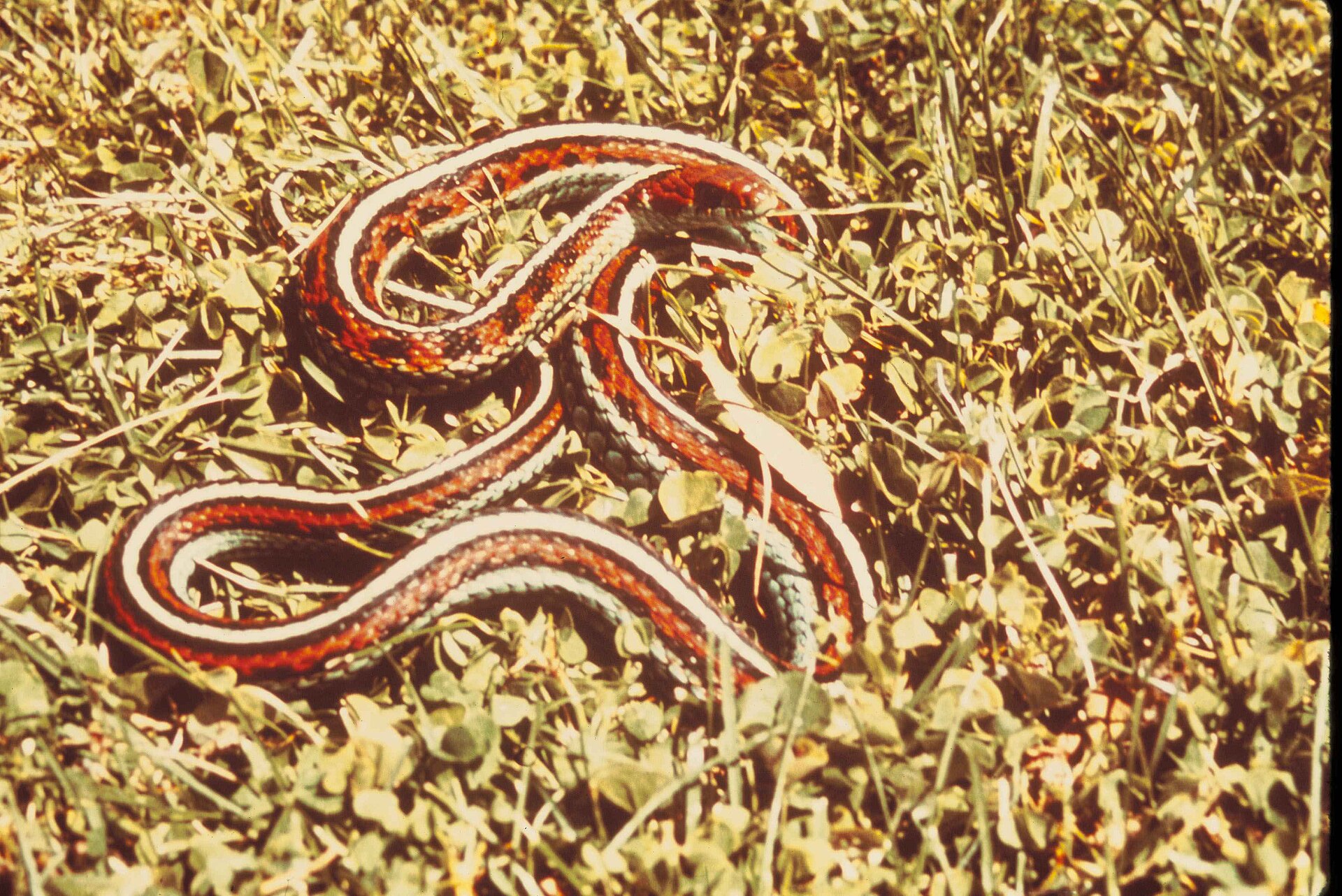
For the first time, 62 endangered San Francisco garter snakes raised at the San Francisco Zoo have been released into the wild in San Mateo County, with 130 more babies lined up for 2027.
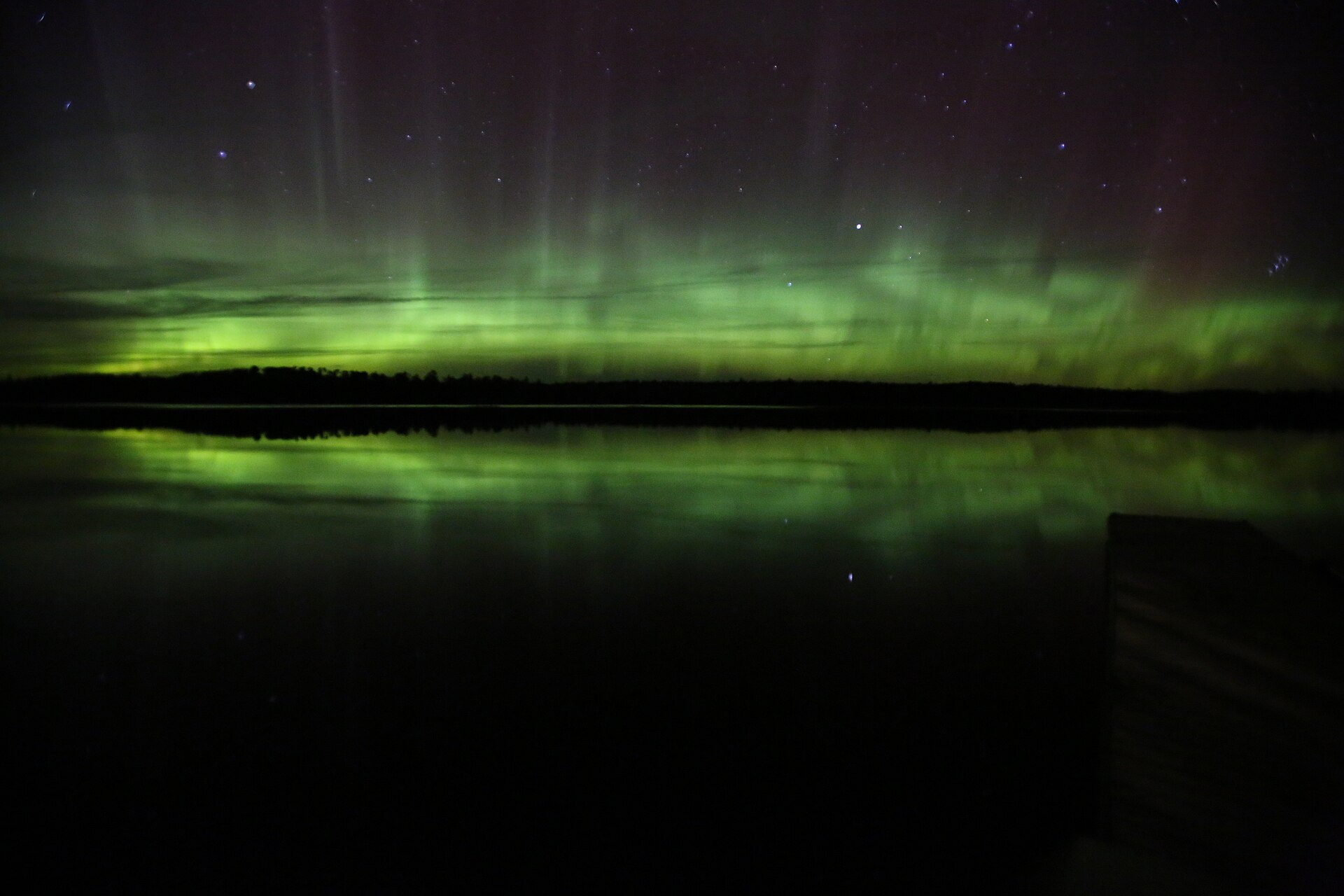
Minnesota’s water-filled Voyageurs National Park was named the 2026 International Dark Sky Place of the Year, thanks to star parties, winter stargazing and small towns dimming their lights.
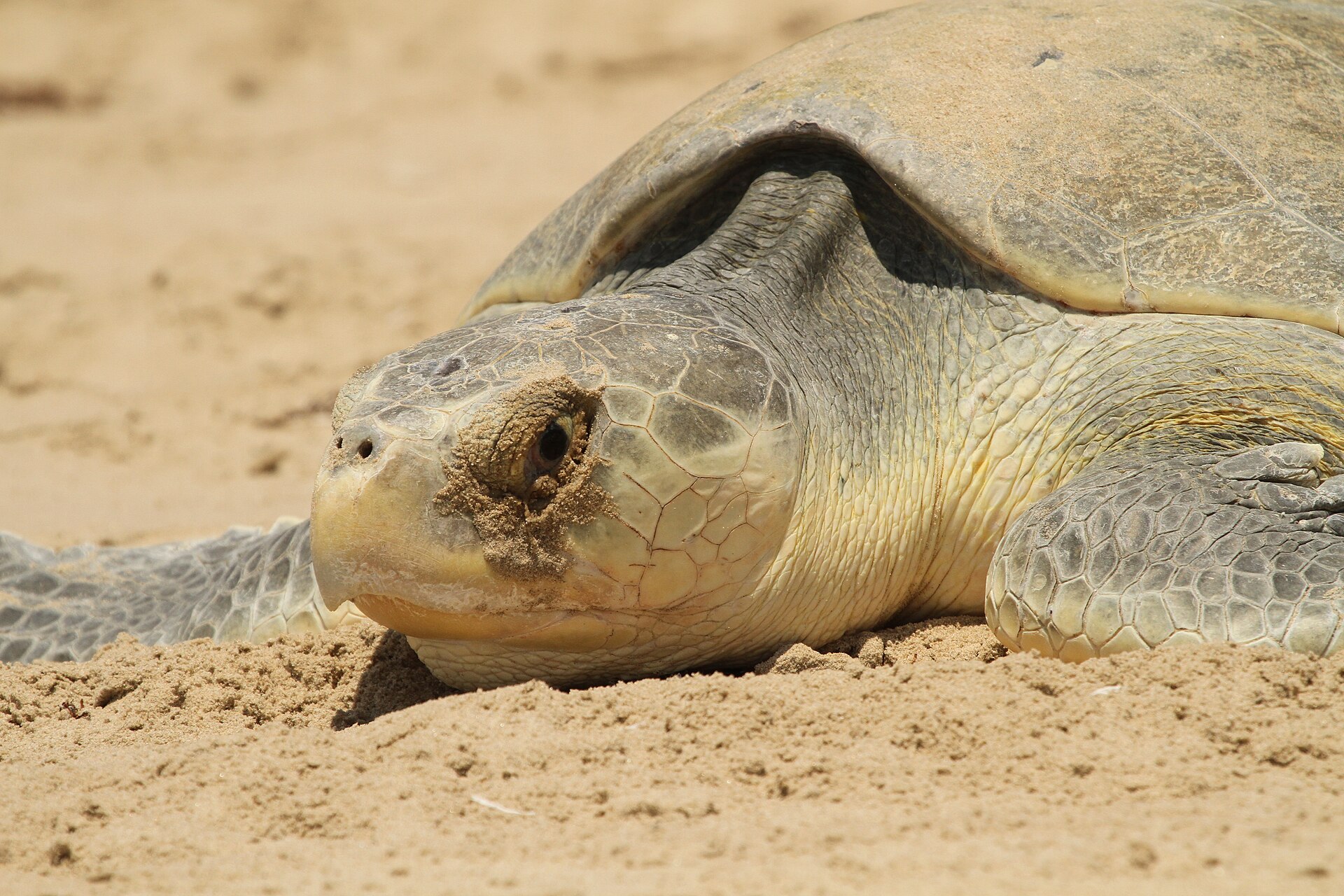
Texas beaches hosted 697 Kemp’s ridley sea turtle nests in 2026, up 55% from last year. It’s the payoff of a bold 1978 plan to teach baby turtles a new home.
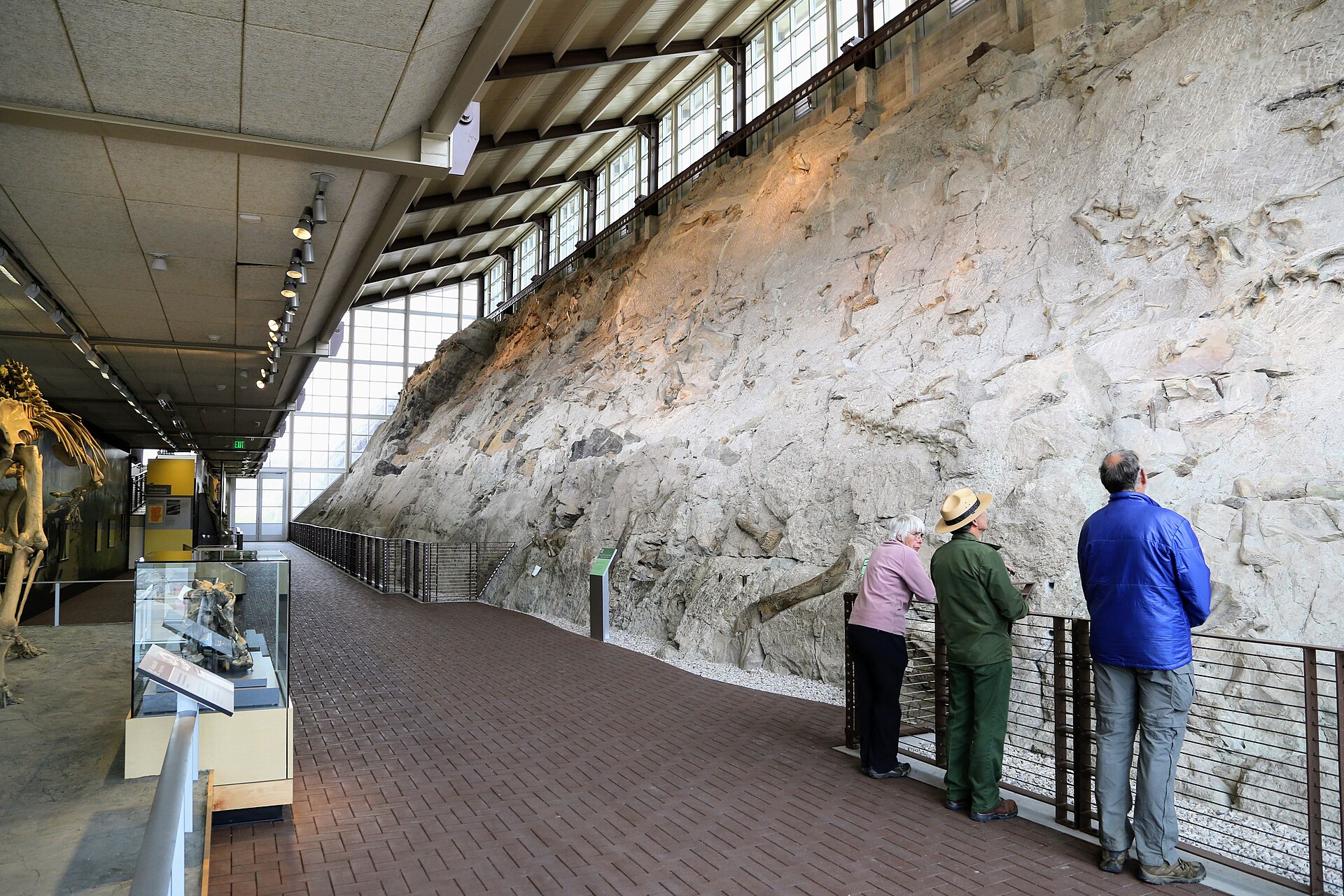
Workers repaving a parking lot at Dinosaur National Monument found a 150-million-year-old Diplodocus tail just inches below the old asphalt, and the construction crew helped dig it out.