For the first time since Apollo, a crew left low Earth orbit, swung around the Moon, and came home with new photographs of our planet hanging over another world. Artemis II launched on April 1, 2026, and splashed down in the Pacific on April 10 — a nearly ten-day flight that NASA called a record-setting return of moonfarers to Earth.
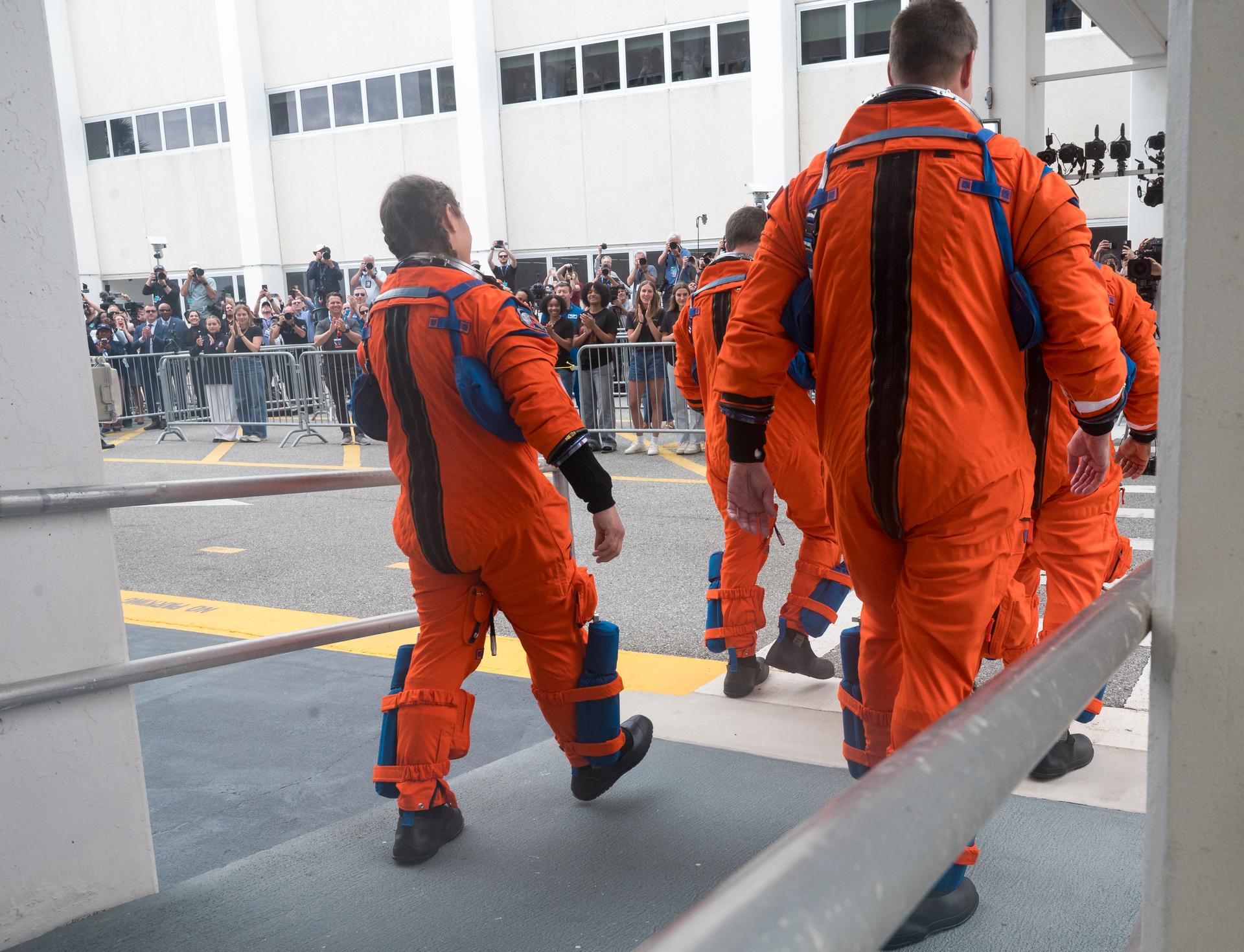
The crew — NASA astronauts Reid Wiseman, Victor Glover, and Christina Koch, with Canadian Space Agency astronaut Jeremy Hansen — flew farther from Earth than any humans since Apollo 13, covering roughly 695,000 miles and approaching within a few thousand miles of the lunar surface on the far-side flyby.
A mission meant to prove the path back
Artemis II was never sold as a landing. It was a shakedown cruise for Orion, the Space Launch System, and the people who will one day step onto the lunar south pole. The crew spent years training for a flight that lasted about a week and a half — long enough to test deep-space communications, navigation, life support, and the simple human work of living inside a capsule millions of people were watching.
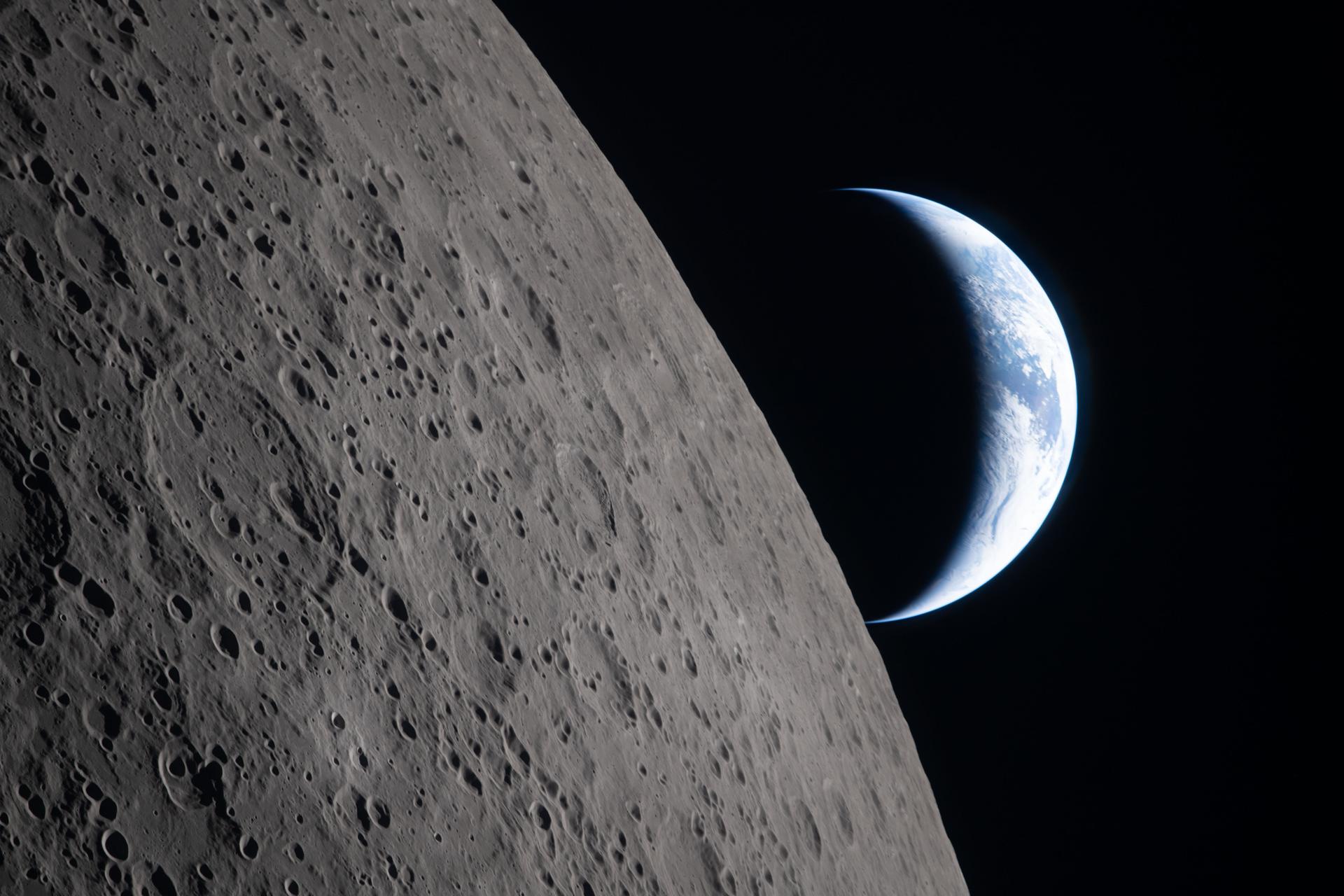
On launch day, crowds gathered at viewing sites as the rocket rose. Days later, the same spacecraft would skim the far side of the Moon, where Earth was not a blue marble overhead but a bright disk sliding behind gray cratered rock.
The photographs that travel farther than the capsule
Handheld cameras aboard Orion captured what words struggle to hold: Earth after translunar injection, a darkened limb of our planet against deep space, lunar shadows cutting across basins and craters, and the moment Earth set behind the Moon’s horizon with Australia and Oceania bright on the day side.
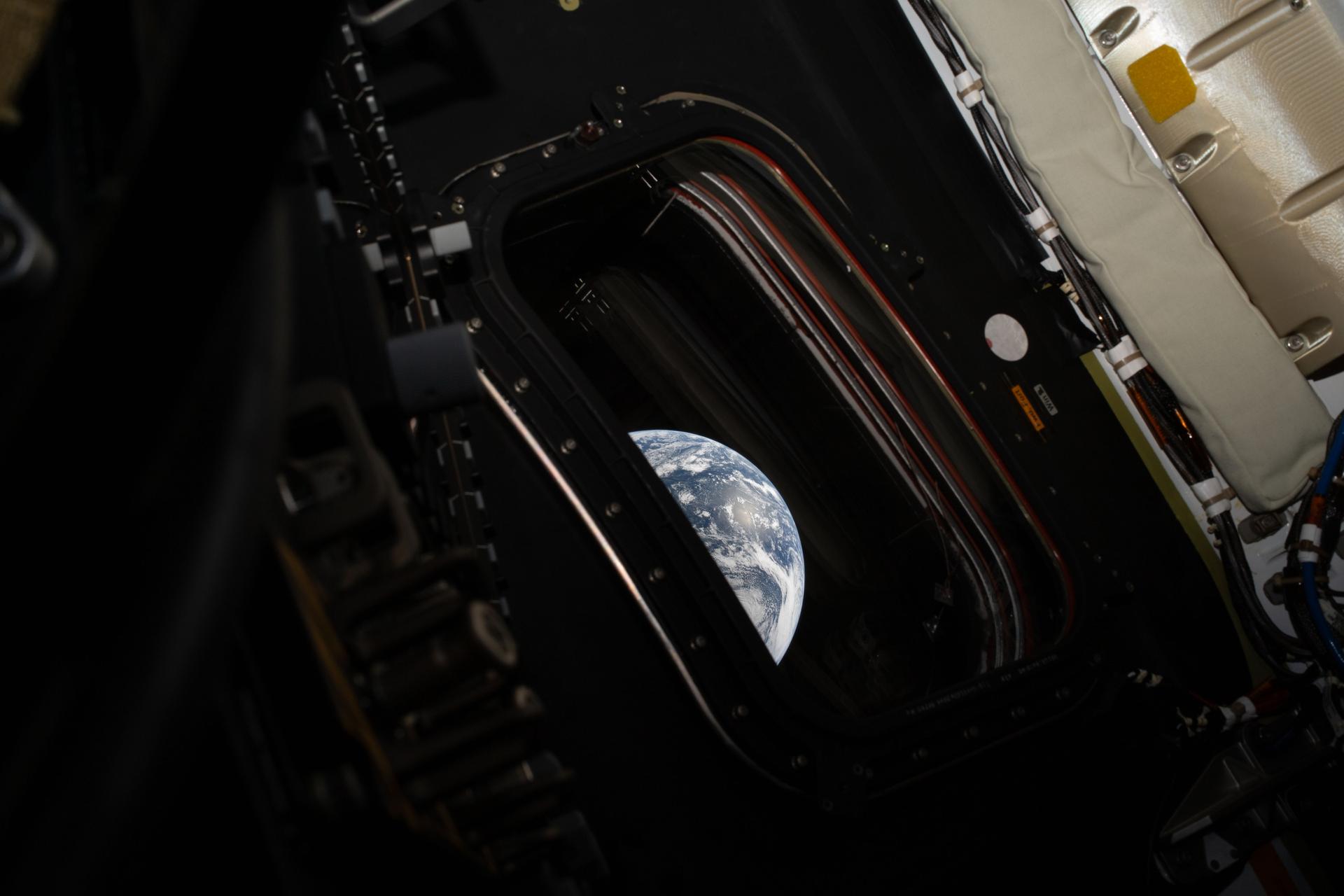
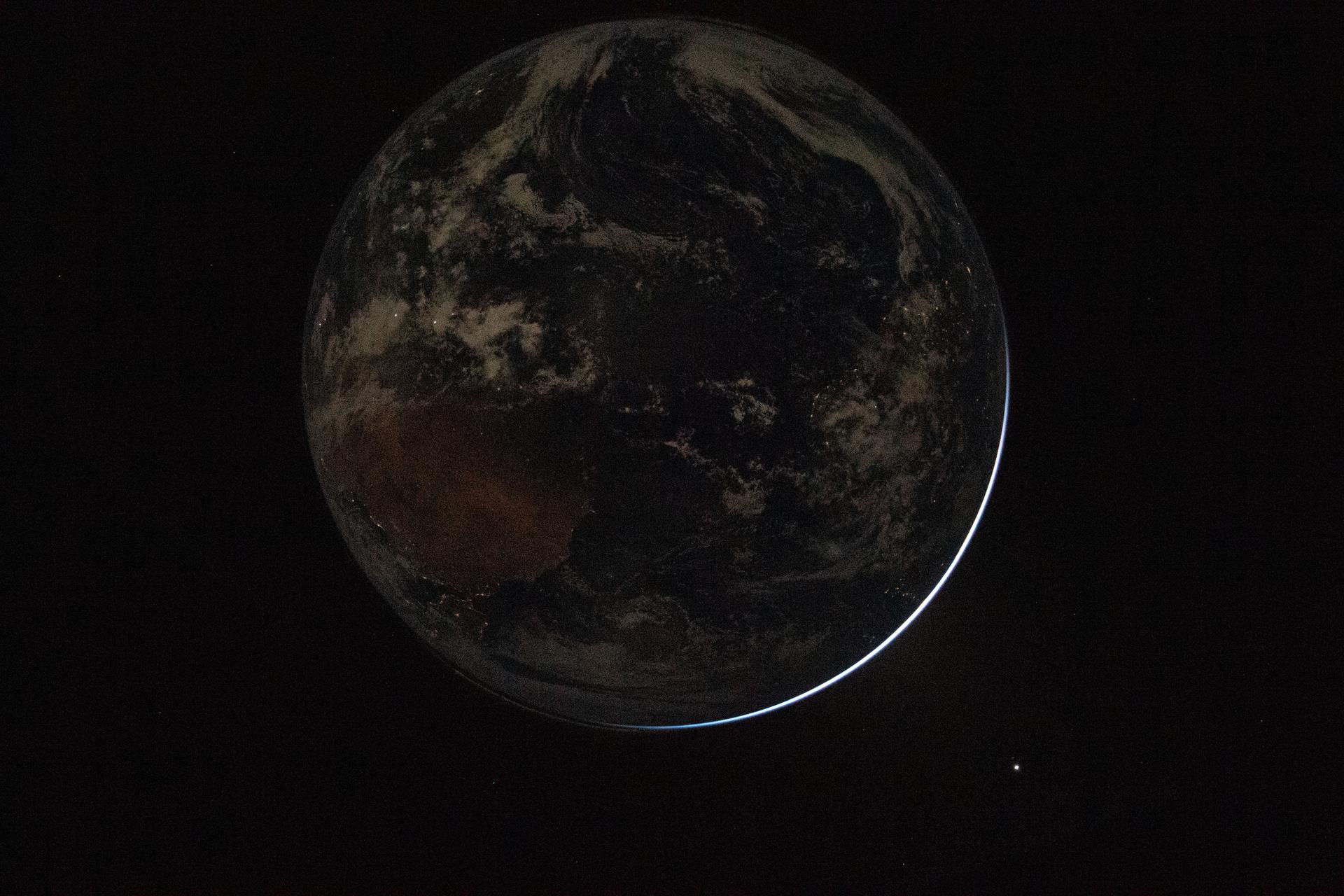
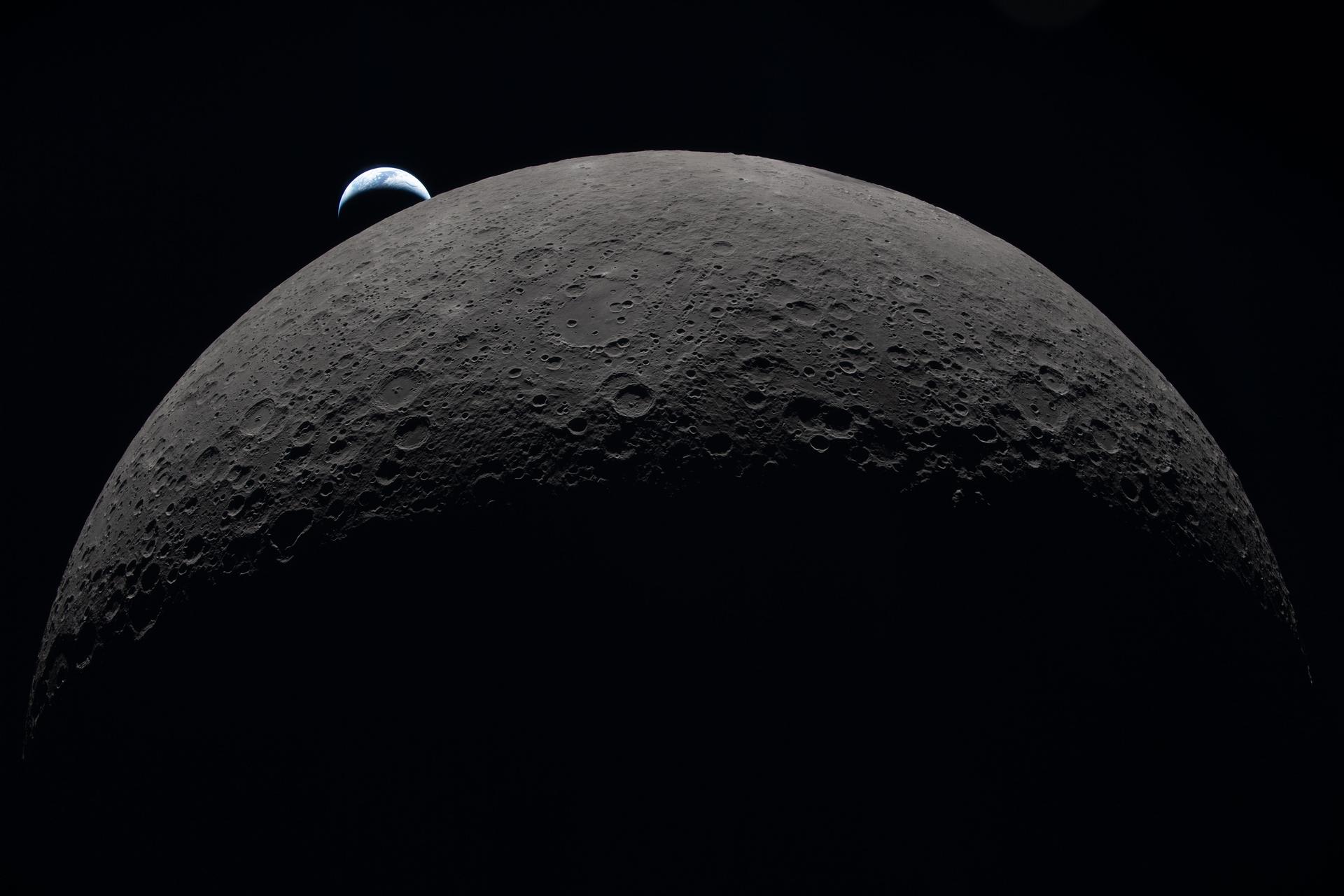
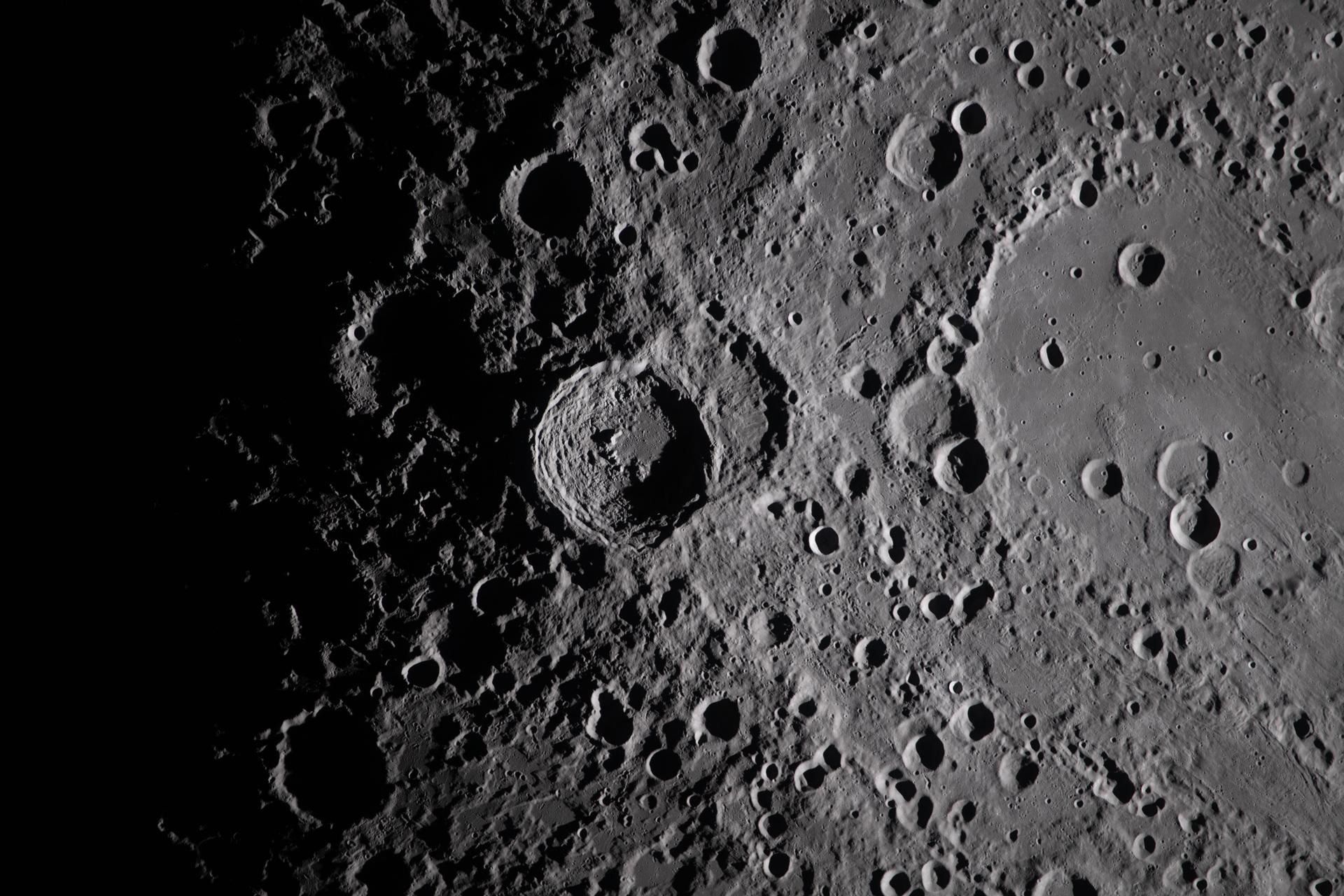
These are not artist’s concepts. They are government works released through NASA’s Image and Video Library — free to use for informational storytelling with credit, and without implying NASA endorsement of any product or site.
Splashdown, and what comes next
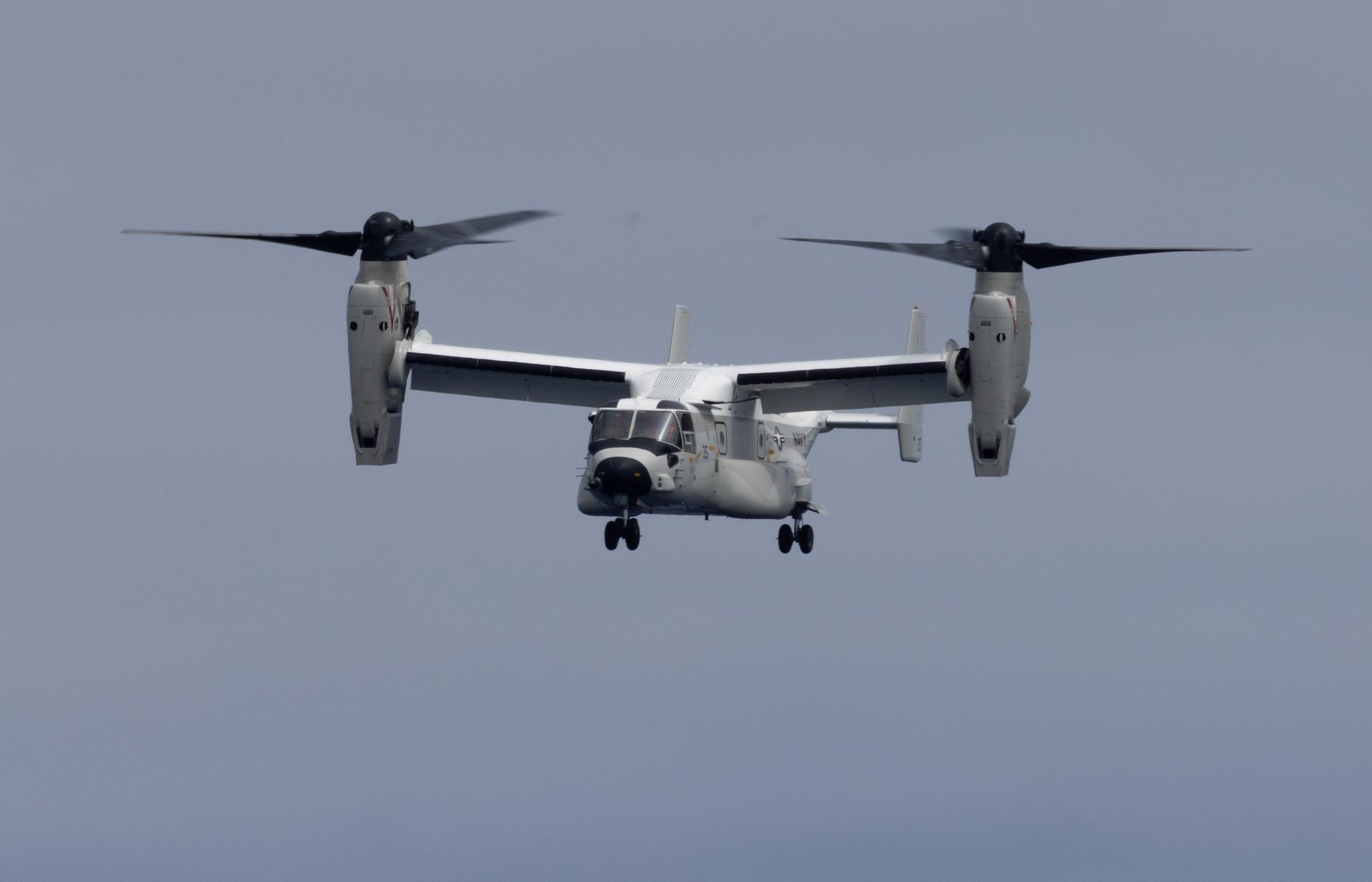
On April 10, 2026, Orion hit the Pacific off Southern California. Recovery teams brought the crew aboard a Navy ship. The milestone was simple and enormous at once: humans had flown a free-return lunar trajectory again, and the photos were already circling the planet faster than the capsule ever could.
For Amazetify, this is the kind of true story we exist to share: verified wonder, authentic images, and a reminder that exploration still produces moments that make strangers look up together.
What the crew actually saw
On April 6, as Orion slipped toward the far side and a planned loss of signal, the crew photographed a crescent Earth setting on the Moon’s limb. Later frames showed Orientale basin and the sharp shadows of Vavilov Crater on the rim of the older Hertzsprung basin — geology Apollo crews knew, now framed by a new generation of explorers.
Commander Reid Wiseman’s earlier window shots, taken after the translunar-injection burn, look almost gentle by comparison: a full, familiar Earth, then a backlit crescent, proof that “home” can shrink to the size of a coin and still stop a conversation mid-sentence.
None of this required a paid stock library. NASA releases these images as U.S. government works. Amazetify’s rule is simple: if we cannot credit a free authentic source, we wait. For Artemis II, the archive is the story.
Why Amazetify is covering a moonshot
Feel-good does not have to mean small. Sometimes the true story is planetary: four people in a capsule, a planet watching, and camera shutters that turn engineering milestones into shared memory. Artemis II did not land. It did not need to. It proved the vehicle, the crew procedures, and the recovery choreography that future landings will depend on.
The splashdown on April 10 closed a loop that began with the crew walkout on April 1. Between those bookends sat the far-side flyby — minutes of radio silence, then the Earthrise-in-reverse that filled social feeds for days. NASA’s image IDs (art002e009286, art002e009287, and their neighbors) now live in the same public library as Apollo’s classics.
We are not claiming NASA endorses Amazetify. We are doing what the agency invites: using government works with credit, for informational storytelling, about a flight that actually happened.
Sources: NASA Artemis II mission; NASA welcome-home release; images via NASA Image and Video Library (U.S. government works / public domain; credit NASA).