For more than a century, the skies over California’s far north coast were missing their biggest bird. Now there are seven more giant wings riding the thermals above the lower Klamath River, and one of them carries a number that took more than four decades to reach.
In October 2026, seven young California condors were released in Yurok Country through the Northern California Condor Restoration Program, a partnership between the Yurok Tribe and Redwood National and State Parks. One of them is the 200th condor hatched at San Diego Zoo Safari Park to be introduced into native habitat. It’s a quiet milestone with a loud backstory, and it comes in the same year that a young condor from this very flock flew into Oregon for the first time in more than 120 years.
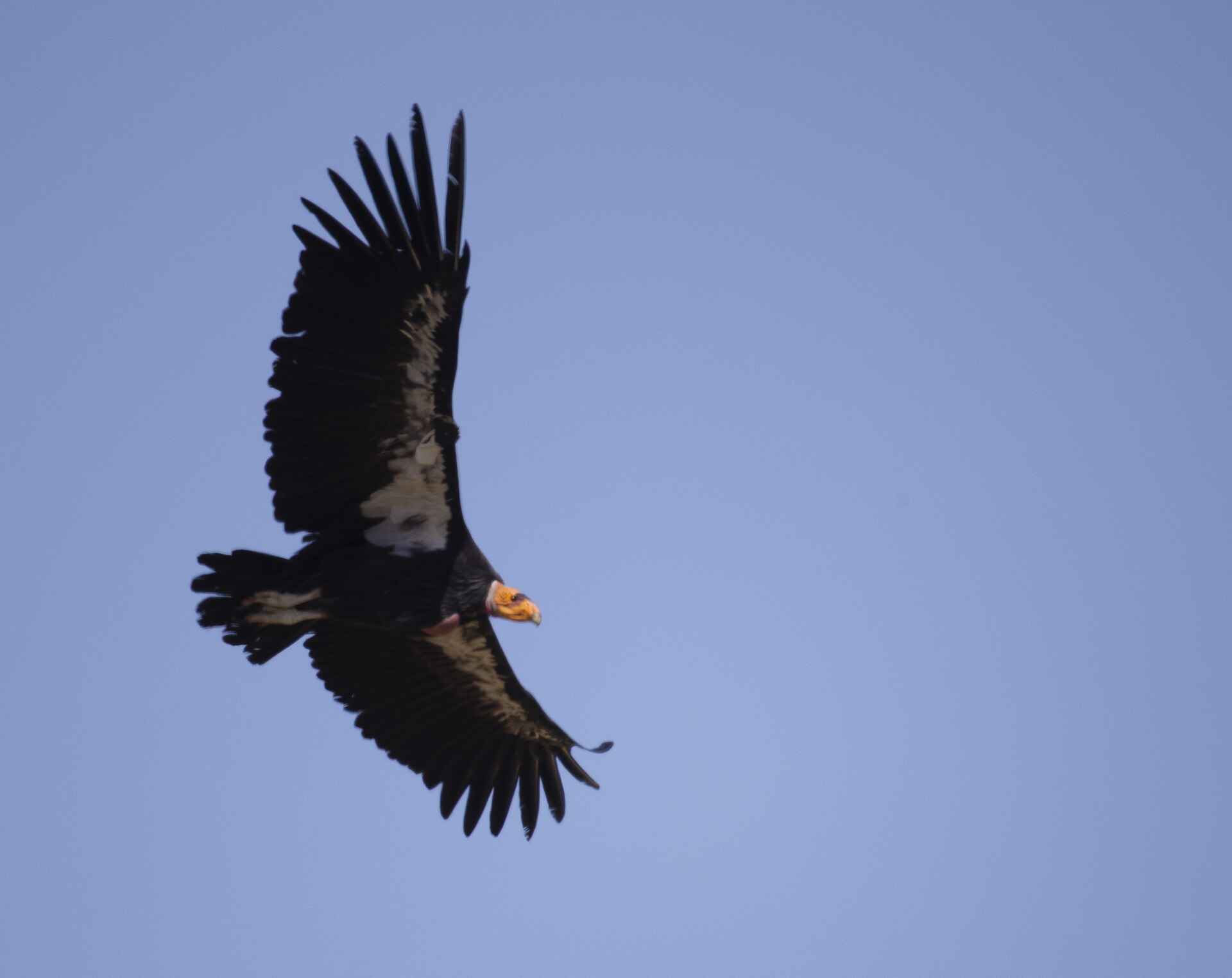
Seven new wings over the redwood coast
According to San Diego Zoo Wildlife Alliance, which announced the milestone on October 21, 2026, the seven newcomers joined 26 condors already flying free at the Yurok Country site. That brings the local flock to 33 birds.
This release was a first in a couple of ways:
- Bird No. 200: San Diego Zoo Safari Park has now hatched 291 California condors since 1982, and 200 of them have been introduced into the wild.
- A new destination: It’s the first time condors hatched at the Safari Park have been released at the Yurok Country site.
- The newest home: Yurok Country is the newest of six established California condor recovery sites. Its first condors took flight there in 2022.
Biologists keep tabs on every bird with GPS wing tags and radio transmitters, so the team can follow where the young condors roam as they learn the landscape.
From 22 birds to more than 600
To understand why a number like 200 matters, you have to go back to the early 1980s. When San Diego Zoo Wildlife Alliance started its condor recovery program in 1982, there were only 22 California condors left on Earth. Lead poisoning, shooting, and habitat loss had pushed the species to the very edge.
What followed was one of the boldest rescues in conservation history. The last wild condors were brought into captivity, and zoos and wildlife agencies began the slow, careful work of breeding them and teaching young birds to survive on their own. Condors don’t breed fast, often raising a single chick every year or two, so every egg counted.
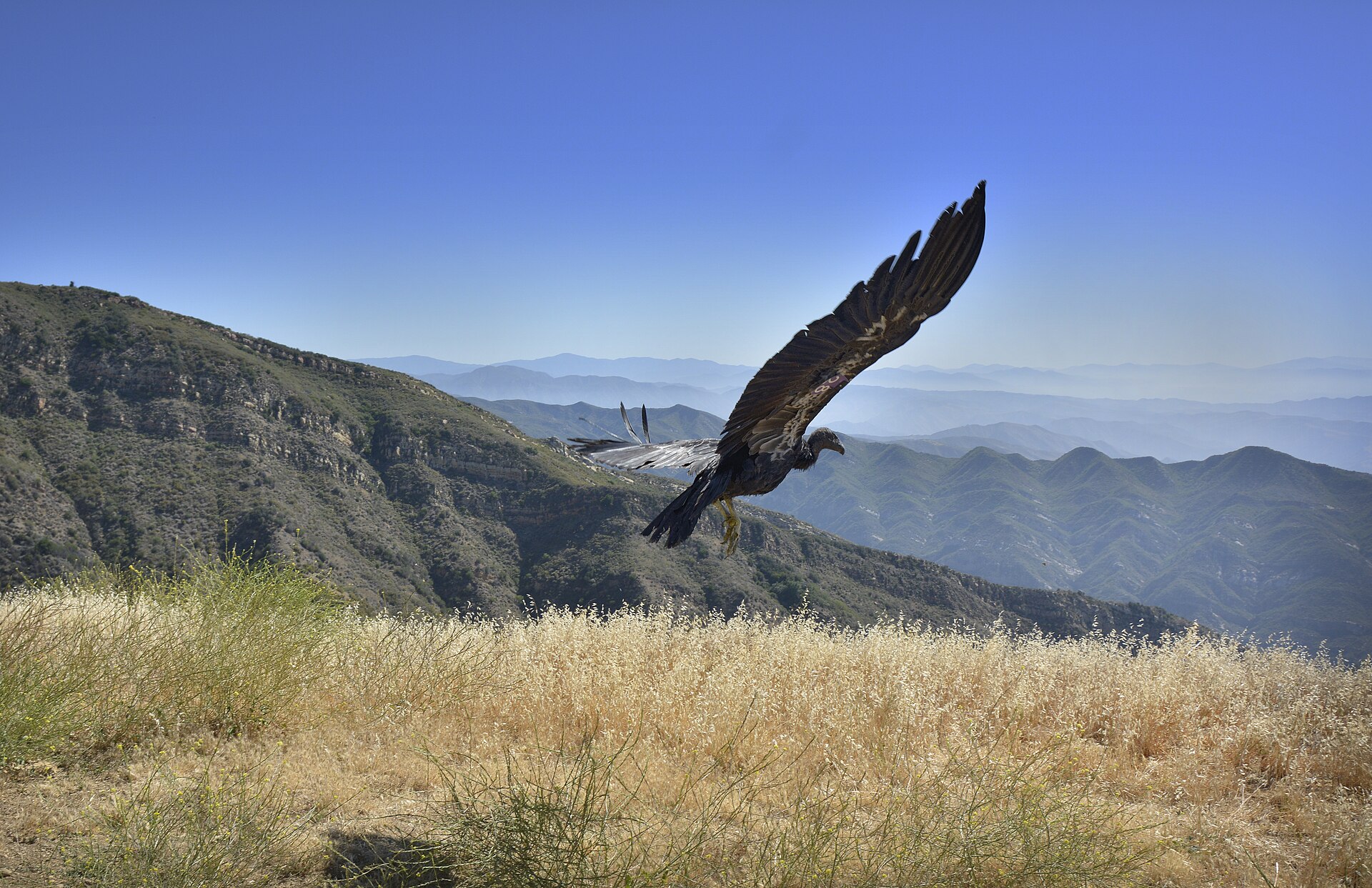
Today, the alliance says more than 600 California condors are alive, and more than half of them are soaring in native habitats. That’s still a small number for a whole species, but it’s a world away from 22.
Prey-go-neesh comes home
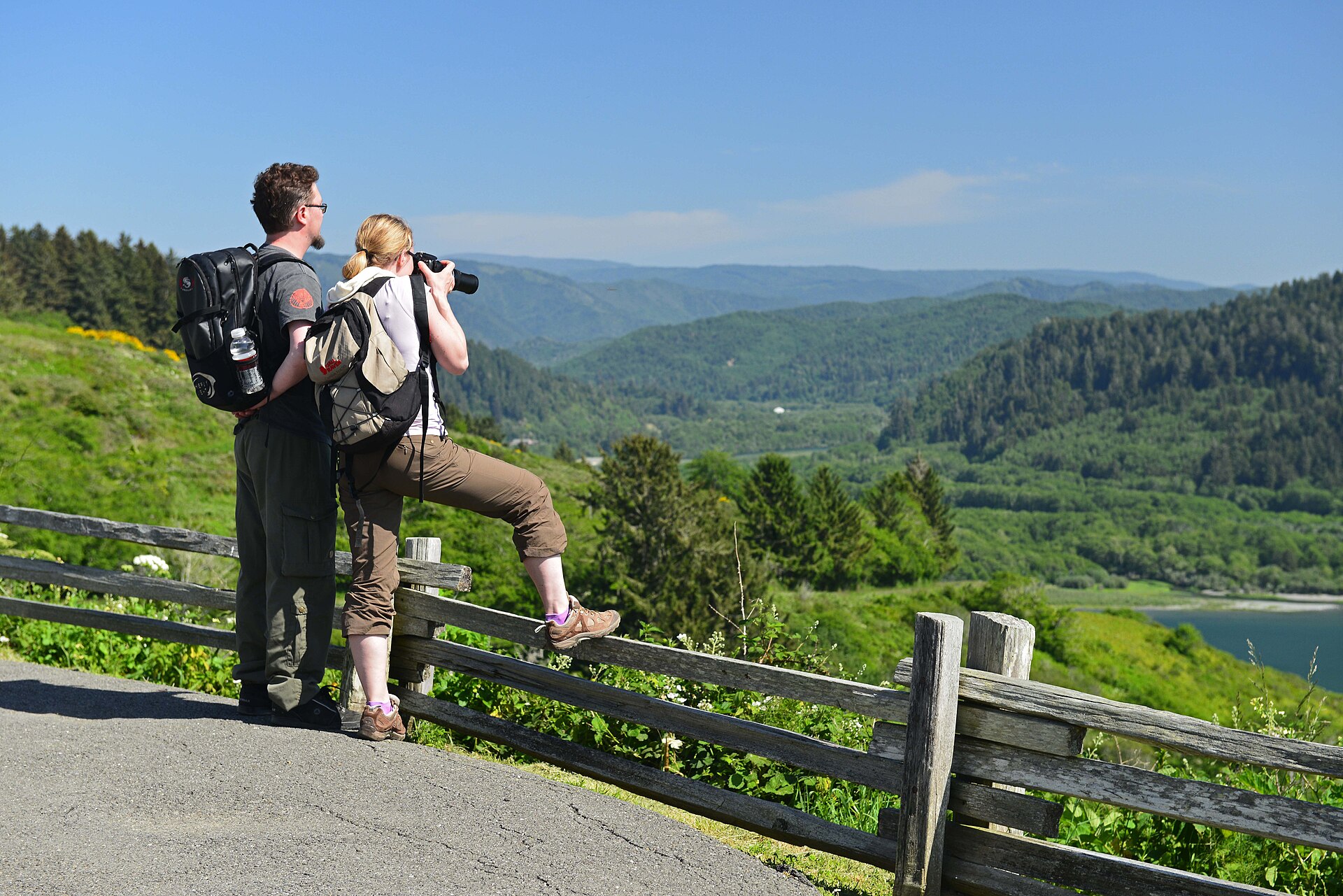
The Yurok Tribe knows the condor as prey-go-neesh, and for the Tribe it was never just an endangered species. Condors hold a sacred place in Yurok ceremony and identity, and their disappearance from ancestral lands was a cultural loss as well as an ecological one. According to the restoration program, the last free-flying condor in Northern California before the reintroduction was documented in the early 1900s in Humboldt County.
Yurok leaders spent years pushing to bring the birds back, working alongside Redwood National and State Parks, the U.S. Fish and Wildlife Service, and other partners. In 2022, the first condors were released near the Klamath River on Yurok ancestral territory, making it the first Northern California release site in more than a century.
B9’s big adventure into Oregon
If anyone doubted these birds would spread out, a young female named B9 settled the question this spring.
B9 hatched on April 3, 2024, at the World Center for Birds of Prey in Boise, Idaho, and was released into the redwood region in fall 2025. On May 12, 2026, she set off from Orick, California, on a four-day, roughly 380-mile loop. She flew east to within about 12 miles of Redding, crossed the northern Trinity Alps and Marble Mountain wildernesses, and reached a point about 8 miles from Medford, Oregon.
On the way back she spent a night near Cave Junction, followed the Smith River corridor, detoured to Brookings on the Oregon coast, and returned home on May 16. In all, she flew about 80 miles inside Oregon, covering close to 100 miles a day.
That made her the first condor documented flying free in Oregon since 1904, when one was seen near the town of Drain, between Eugene and Roseburg.
“We have always known that at least one of our condors would eventually travel into Oregon because the state is well within their flight range. We are thrilled it finally happened,” said Tiana Williams-Claussen, director of the Yurok Wildlife Department, in the Tribe’s announcement.
Chris West, the program’s manager and a Yurok Wildlife Department senior biologist, said young condors tend to explore far more than adults. “Most likely, B9’s excursion was an exploratory flight to see what’s around her,” he said. “I imagine B9 will explore more and take other birds with her.”
A first nest in a redwood
B9’s trip wasn’t the flock’s only headline this year. Earlier in 2026, two condors released in 2022, known as A0 and A1, set up the flock’s first nest in a hollow near the top of a redwood tree inside Redwood National and State Parks, and the female laid an egg.
The egg didn’t hatch, which the program notes is common for first-time condor parents. But simply seeing a pair choose a nest in a giant redwood, the way their ancestors once did, was a sign the flock is starting to behave like a true wild population and not just a group of released birds.
Why this matters
Condors are nature’s cleanup crew. They feed on carcasses of large animals, recycling nutrients and helping keep landscapes healthy. A condor can soar up to 250 miles in a day, so each new release site doesn’t just add birds; it reconnects huge stretches of country the species hasn’t touched in generations.
There’s still plenty of work ahead. Lead from spent ammunition remains one of the biggest threats to condors, and the recovery depends on ongoing releases, monitoring, and the patience of everyone involved. But this fall’s numbers tell a hopeful story: seven new birds in the air, a 200th milestone from a single breeding program, and a flock that’s already testing its wings across state lines.
Quick facts
- Released: 7 young California condors in Yurok Country, fall 2026
- Local flock: 33 condors after the release
- Milestone: San Diego Zoo Safari Park’s 200th condor introduced into the wild (291 hatched there since 1982)
- Worldwide: More than 600 California condors, over half in native habitats
- Back in Oregon: Condor B9 flew there in May 2026, the first free-flying condor in the state since 1904
Sources
- San Diego Zoo Wildlife Alliance: Flight No. 200 (Oct. 21, 2026)
- Lost Coast Outpost: Northern California Condor Restoration Program announcement on B9’s Oregon flight
- OPB: Oregon gets its first California condor visit in 122 years
- Popular Science: Seven young condors released in northern California
Image credits: Condor in flight by John Heil/USFWS; condor release at Hopper Mountain NWR and condor #839 at Bitter Creek NWR by USFWS Pacific Southwest Region; Klamath River Overlook by the National Park Service. All public domain, via Wikimedia Commons.