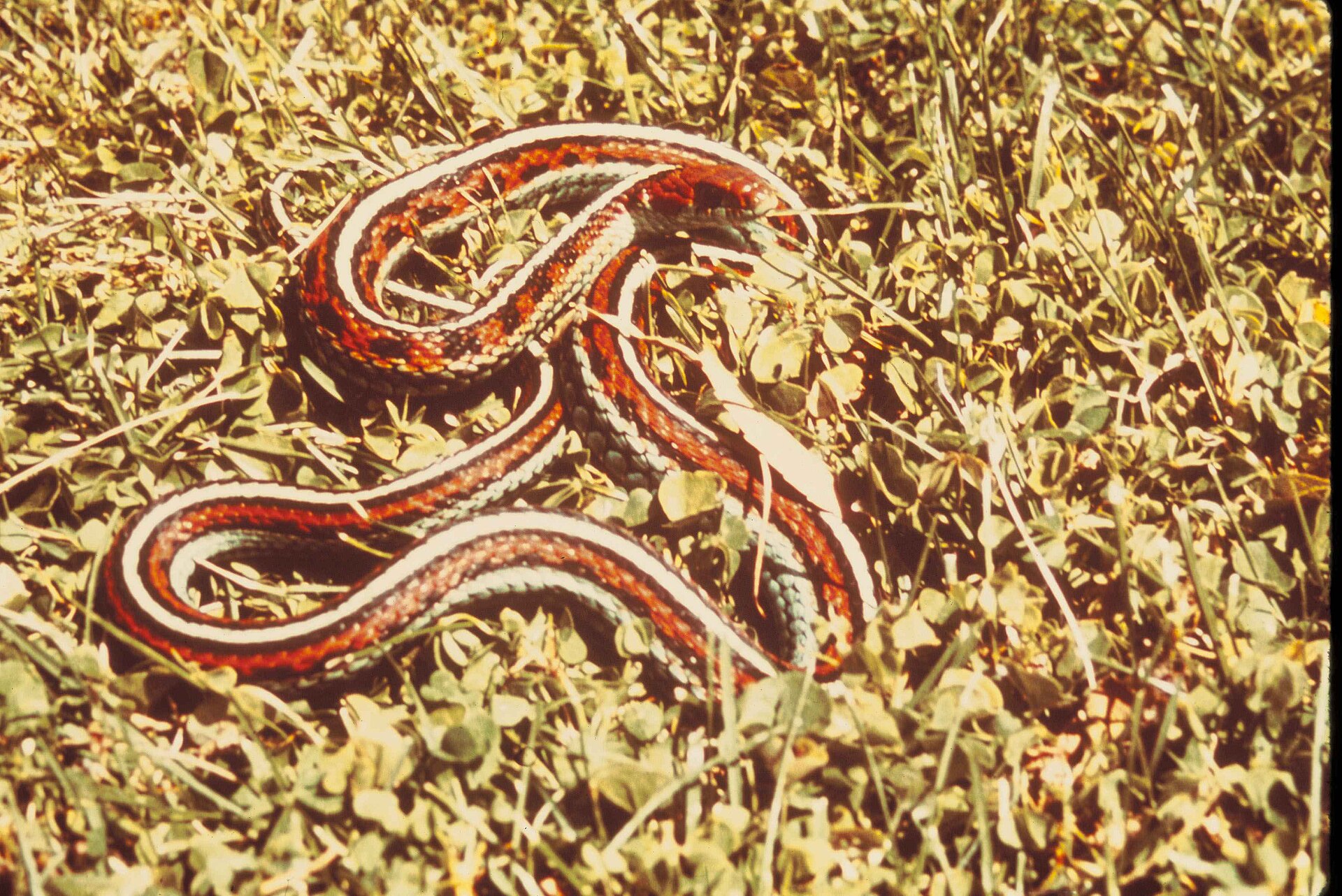
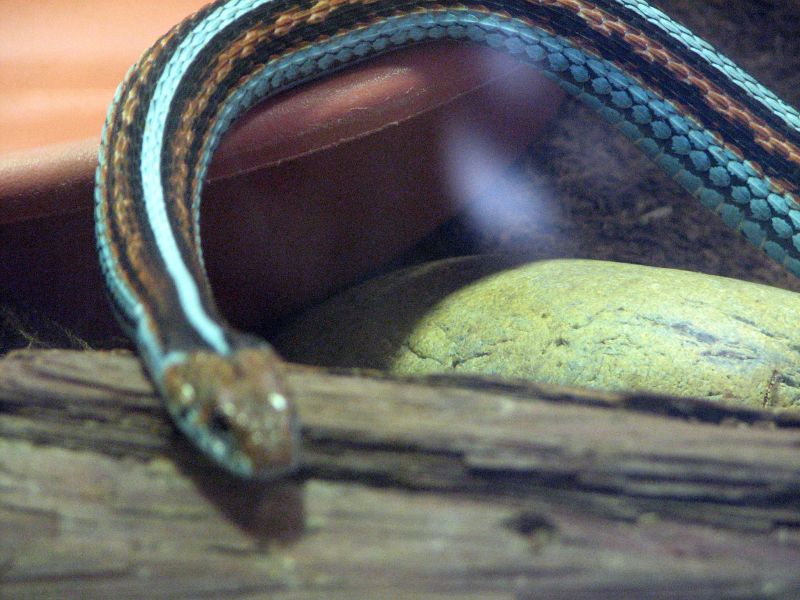
If you’ve never seen a San Francisco garter snake, picture a ribbon of turquoise, red and black sliding through the grass. The Midpeninsula Regional Open Space District calls it one of the most beautiful snakes in the world. It’s also one of the rarest, and it lives in only one small corner of the world: the San Francisco Peninsula.
This fall, that tiny corner got some very good news. For the first time ever, 62 young San Francisco garter snakes born and raised at the San Francisco Zoo were released into the wild at carefully chosen sites in San Mateo County, according to a November 10, 2026 announcement from San Francisco Zoo & Gardens. It’s the first release from a collaborative “head-starting” program, and it marks a milestone in a recovery effort that has been going on for decades.
A Snake Found Nowhere Else on Earth
The San Francisco garter snake (Thamnophis sirtalis tetrataenia) is a subspecies of the common garter snake, but there’s nothing common about it. According to the zoo’s announcement, it lives only in San Mateo County and a small part of Santa Cruz County, and nowhere else on the planet.
It was also one of the very first animals America decided to protect. The snake appeared on the U.S. Fish and Wildlife Service’s first endangered species list in 1967, and it was among the first species protected under the federal Endangered Species Act. Nearly 60 years later, the zoo says only a couple thousand are estimated to remain in the wild.
Why has it been so hard for this snake to bounce back? The project partners list a long line of threats:
- Habitat loss: the wetlands and grasslands it needs have become rare and broken up
- Drought and disease, including snake fungal disease
- Low genetic diversity in small, isolated populations
- Fewer prey animals, especially frogs
- Invasive species, vehicle strikes and illegal poaching (its good looks make it a target for collectors)
What Is “Head-Starting”?
Baby snakes have a rough start in life. They’re small, they’re tasty to a lot of predators, and they have to compete for food. Head-starting is a conservation trick that gets young animals through that dangerous early stretch.
Here’s how it worked for these snakes, step by step, according to the San Francisco Zoo:
- Pregnant mothers were borrowed, not kept. In 2025, USGS biologists collected gravid (pregnant) female snakes from a healthy population in a Midpeninsula Regional Open Space District preserve and brought them to the zoo.
- The babies were born at the zoo. Garter snakes give birth to live young. After the births, the mothers went back home to the wild.
- The young snakes grew up in safety. The zoo’s Conservation Team raised them until they were big enough to better handle predators and competition for food.
- Every snake was genetically tested. The results helped decide exactly where each snake should be released.
A Clever Plan for Stronger Populations
The release wasn’t just about adding more snakes. It was about adding the right snakes in the right places.
About one-third of the young snakes were returned to the area where their mothers came from, so the host population wouldn’t come out behind. The other two-thirds were spread among several other populations that needed both more individuals and a boost in genetic diversity.
Think of it like mixing in new branches on a family tree. Small, isolated groups of animals can become inbred over time, which makes them weaker and more vulnerable to disease. Bringing in snakes with different genes can help those groups become healthier and more resilient.
And if you’re wondering where exactly the snakes went: that’s a secret, on purpose. The partners aren’t disclosing release locations, to protect the snakes from illegal collection, car strikes and the spread of disease.
“Seeing these young snakes returning to the wild represents years of research, collaboration, habitat restoration and careful conservation work.”
— Karine Tokatlian, Midpen biologist, via San Francisco Zoo & Gardens
It Took a Whole Team
This wasn’t a one-organization job. The zoo credits a long list of partners: the Midpeninsula Regional Open Space District (Midpen), the U.S. Geological Survey, the National Park Service at Golden Gate National Recreation Area, the U.S. Fish and Wildlife Service, the California Department of Fish and Wildlife, the Golden Gate National Parks Conservancy, and the San Francisco Recreation and Park Department, along with other agencies.
Even disease research played a part. The California Department of Fish and Wildlife said data from its statewide surveillance for snake fungal disease helped guide which sites were chosen for collecting and releasing snakes.
When Midpen first announced the program, it said the effort aimed partly at a location in Golden Gate National Recreation Area “where only a handful of snakes remain,” and that since 2004 the Parks Conservancy and National Park Service had restored and enhanced 33 acres of wetland, grassland and coastal scrub habitat in San Mateo County specifically for garter snakes, including new breeding ponds, according to a Midpen press release.
Why Frogs Matter So Much
A big part of saving this snake is saving its dinner. San Francisco garter snakes rely on California red-legged frogs, which are themselves a threatened species. So habitat restoration led by Midpen, the National Park Service, San Francisco Recreation and Park and the Parks Conservancy is designed to help both animals at once.
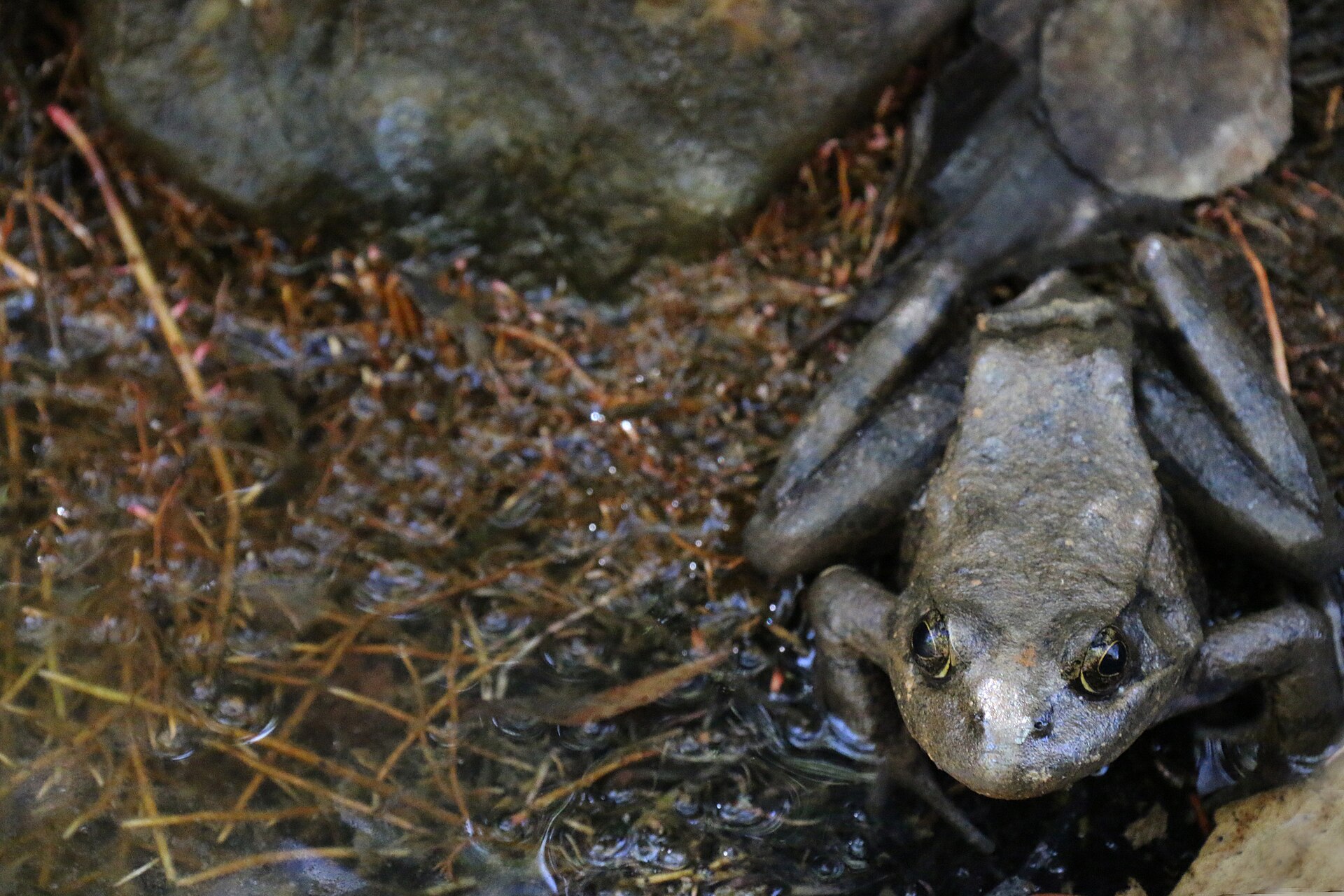
It’s a nice reminder that wildlife recovery is rarely about one species. Restore a pond, and you help the frogs. Help the frogs, and you help the snakes that depend on them.
What Recovery Would Look Like
There’s still a long road ahead, and the partners are honest about it. For the San Francisco garter snake to come off the endangered species list, there need to be at least ten viable, self-sustaining breeding populations, each with at least 200 snakes, according to the zoo.
The good news is that the next wave is already wriggling. In 2026, more than 130 additional baby garter snakes were born at the San Francisco Zoo, and they’re being raised for another round of releases planned for 2027. Biologists will monitor how both groups do after release, and those lessons will shape future efforts.
“Releasing these snakes is a significant moment, but it is one step of many in a much larger recovery effort.”
— Rachel Townsend, National Park Service wildlife biologist, via San Francisco Zoo & Gardens
Why This Story Is Worth Celebrating
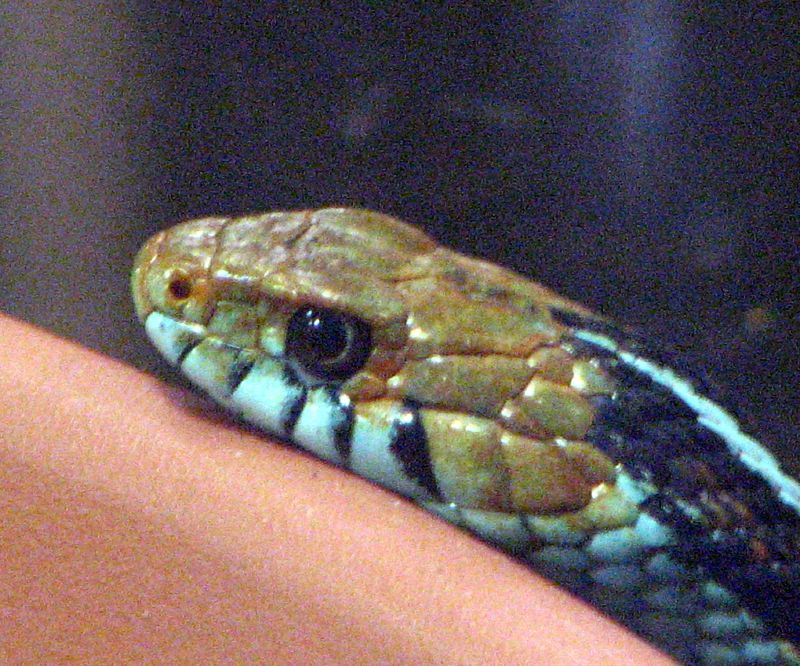
It’s easy to cheer for pandas and sea turtles. Snakes don’t always get the same love. But the San Francisco garter snake is a living piece of the Bay Area’s natural history, a creature that has hung on for decades right next to one of America’s busiest cities.
Sixty-two young snakes may not sound like a lot. For a species with only a couple thousand individuals left, it’s a real boost. Even more important, it proves that head-starting this snake works, and the team already has more than twice as many babies lined up for next year.
As Midpen wildlife ecologist Ariel Starr put it, the lessons from this project could “hopefully inform the recovery of many imperiled reptile species.” Not bad for a little striped snake from the Peninsula.
Sources
- San Francisco Zoo & Gardens: A New Generation of SF Garter Snakes Returns to the Wild (November 10, 2026)
- Midpeninsula Regional Open Space District: Midpen Partners to Save One of the Rarest Snakes in the U.S.
Image Credits
- San Francisco garter snake in grass: U.S. Fish and Wildlife Service via Wikimedia Commons, public domain
- Snake on a log: Jean via Flickr / Wikimedia Commons, CC BY 2.0
- California red-legged frog: Ashley Spratt / USFWS via Wikimedia Commons, public domain
- Snake head close-up: Jean via Flickr / Wikimedia Commons, CC BY 2.0