For most of the satellite age, the story of the world’s mangrove forests read like a slow-motion goodbye. Year after year, images from space showed these salty coastal woods being cleared for farms, fish ponds, firewood and new construction.
Now the same satellites are telling a very different story. After decades of decline, mangroves are growing again worldwide, and the turnaround is big enough to see from orbit.
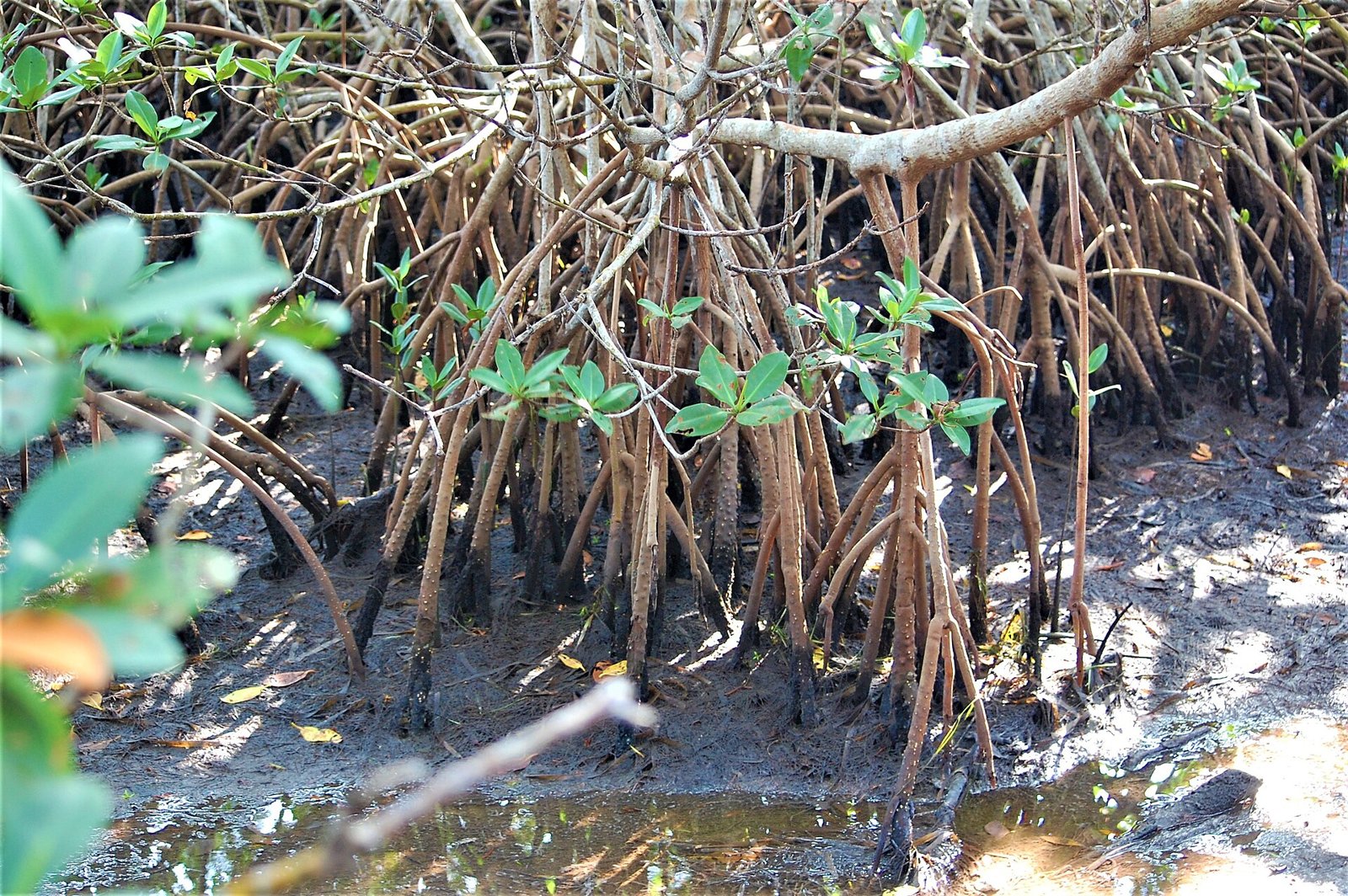
Forty Years of Satellite Photos, One Surprising Result
The finding comes from a study led by scientists at Tulane University and published in the journal Science on June 4, 2026, under a title that says it all: “Unexpected expansion and regrowth in Earth’s mangrove forests over the past four decades.” On November 13, 2026, NASA’s Earth Observatory highlighted the research as its Image of the Day, with a striking before-and-after pair from the Landsat satellites.
The team combed through Landsat imagery collected between 1984 and 2023, tracking two things at once: how much land mangroves covered, and how thick and healthy their leafy canopy was.
“Other research groups have mapped and analyzed long-term changes in select regions, but these are the first global mangrove maps that cover such a long period.”
— Zhen Zhang, Tulane University, to NASA Earth Observatory
The Numbers: A Loss, Then a Rebound
Here is what the satellites showed, according to NASA and Tulane:
- 1984 to 2010: the world lost nearly 3,000 square kilometers (about 1,200 square miles) of mangrove forest.
- Around 2010: the trend flipped.
- After 2010: mangroves gained nearly 2,000 square kilometers (about 770 square miles).
- By 2023: the net loss over the entire four decades had shrunk to only about 1%, much smaller than previously estimated.
Even better, many of today’s mangrove forests have denser, more closed canopies than they did in 2010. That is a sign of healthier, less damaged forests, and the improvement was especially clear in South America.
“After decades of loss, we’re finally seeing a global turning point for mangroves.”
— Zhen Zhang, lead author and postdoctoral scholar at Tulane University
“What we’re seeing now is a real shift,” added Daniel Friess, a Tulane professor and director of The Mangrove Lab. “Mangroves are now showing a net increase globally, and the rate of degradation is slowing.”
Where the Comeback Is Happening
The rebound has been led by Asia, Australia and South America. According to Zhang, about two-thirds of the new growth came from mangroves colonizing brand-new areas, while the other third came from restoration and regrowth in places that had been degraded.
Burma (Myanmar): From Rice Fields Back to Forest
One of the most dramatic reversals is in Southeast Asia, especially Burma (Myanmar). The country lost mangroves fast in the 1980s and 1990s as coastal land was turned into farms and aquaculture ponds and trees were cut for firewood. Between the 1980s and 2010, Burma lost 28.6% of its mangrove area.
Then, around 2010, things began to change. Since then, the country’s mangrove area has grown by about 10%. The researchers credit a mix of factors: greater awareness and restoration work after the devastating 2004 Indian Ocean tsunami, stronger legal protections for forests, and heavy loads of river sediment that created fresh mudflats for young trees to take over.
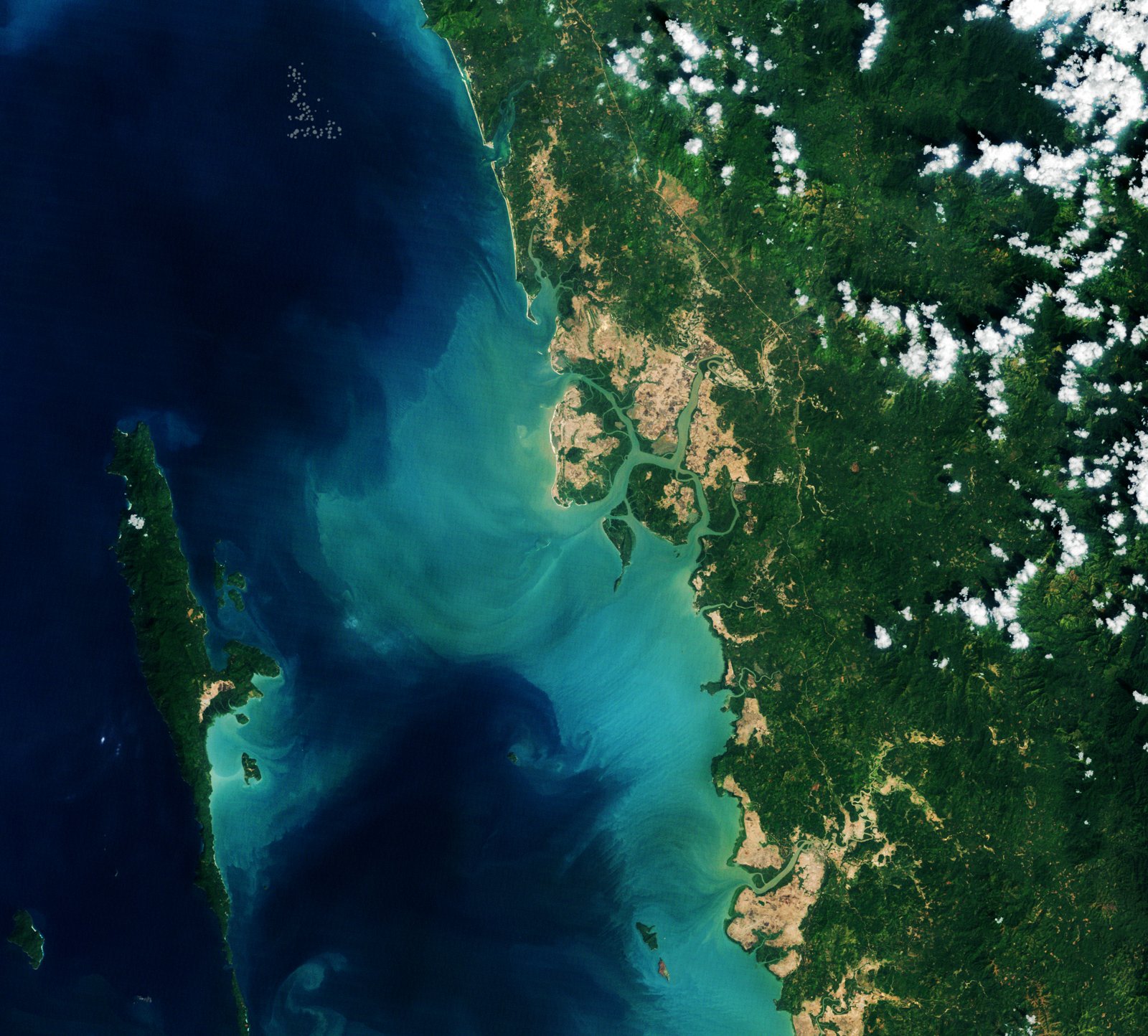
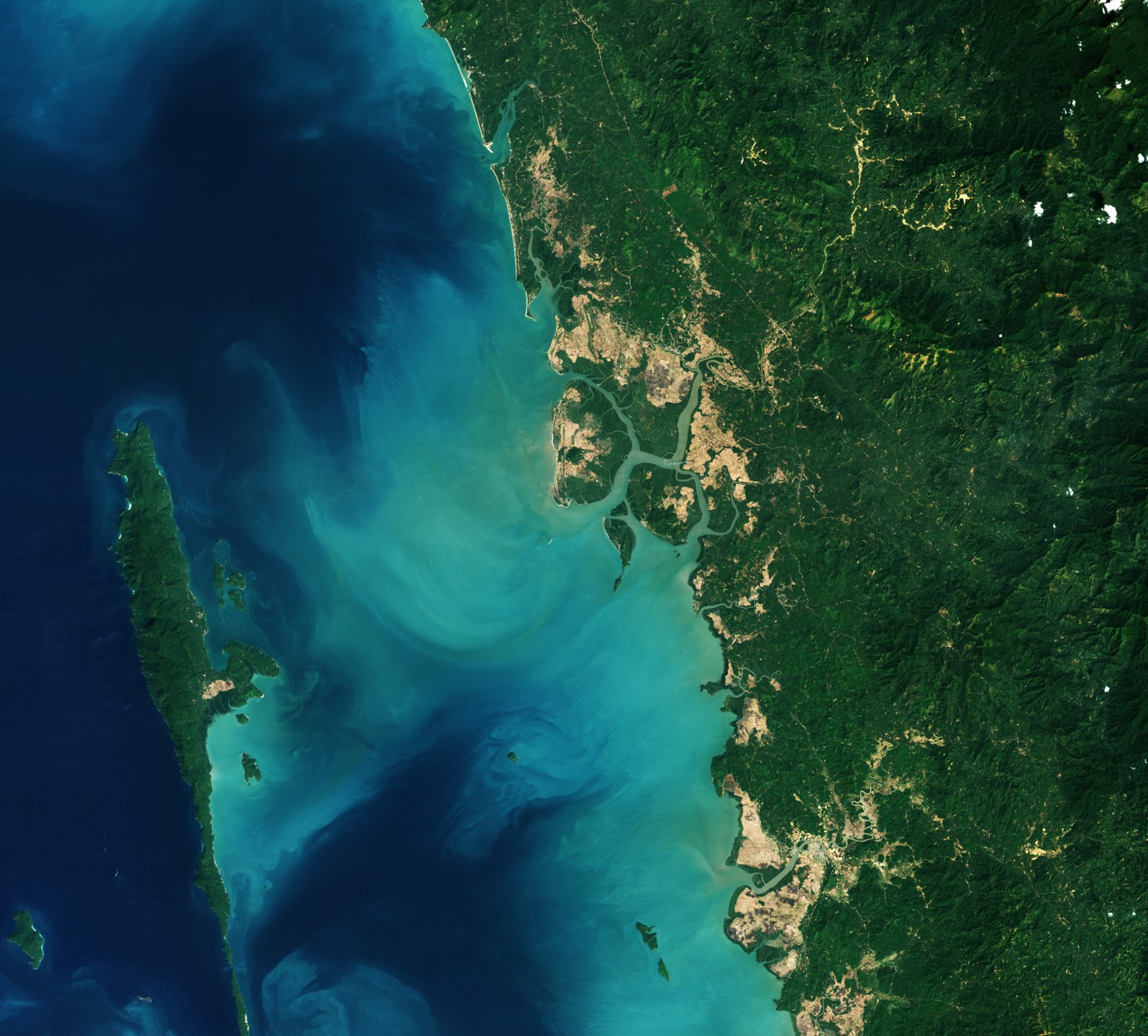
The two images above show Palaw Township in the Myeik District. Much of the regrowth there appears to be happening in abandoned rice fields (the brown areas) south of the village of Kyauktaung. On nearby Pyin Bukyi Island, local people have tried conservation projects and tree planting to help the mangroves along.
It is not a finished story. NASA notes that deforestation is still a common challenge in Burma. But the direction of travel has changed, and that matters.
New Land, New Forests
In some places, nature is doing the heavy lifting. Around the mouth of the Amazon River and in northern Australia, rivers have dumped so much sediment that new mudflats have formed, and mangroves have moved right in. Both regions have seen steady increases since the 1990s.
Tulane’s researchers also found mangroves reclaiming abandoned aquaculture ponds and spreading northward along the U.S. Gulf Coast as temperatures warm and hard freezes become less common. In Louisiana’s Mississippi River Delta, mangrove cover started increasing in the late 1990s and grew faster after 2012.
Why a Few Thousand Square Kilometers Is a Big Deal
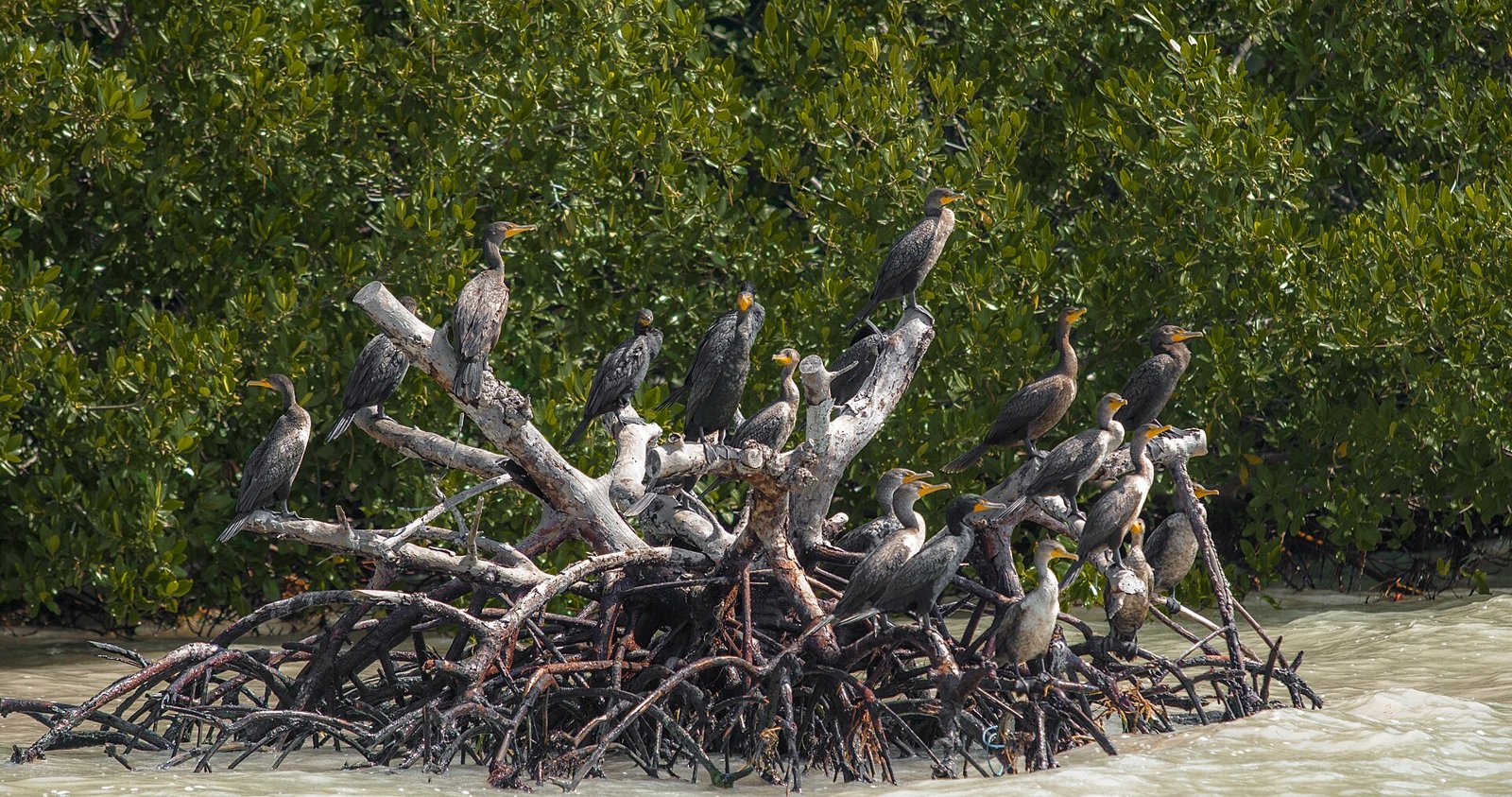
Mangrove trees are not giants. They average about 13 meters (43 feet) tall. But they punch far above their size:
- Carbon vaults: mangrove ecosystems can store up to four times as much carbon as taller inland tropical forests, according to NASA.
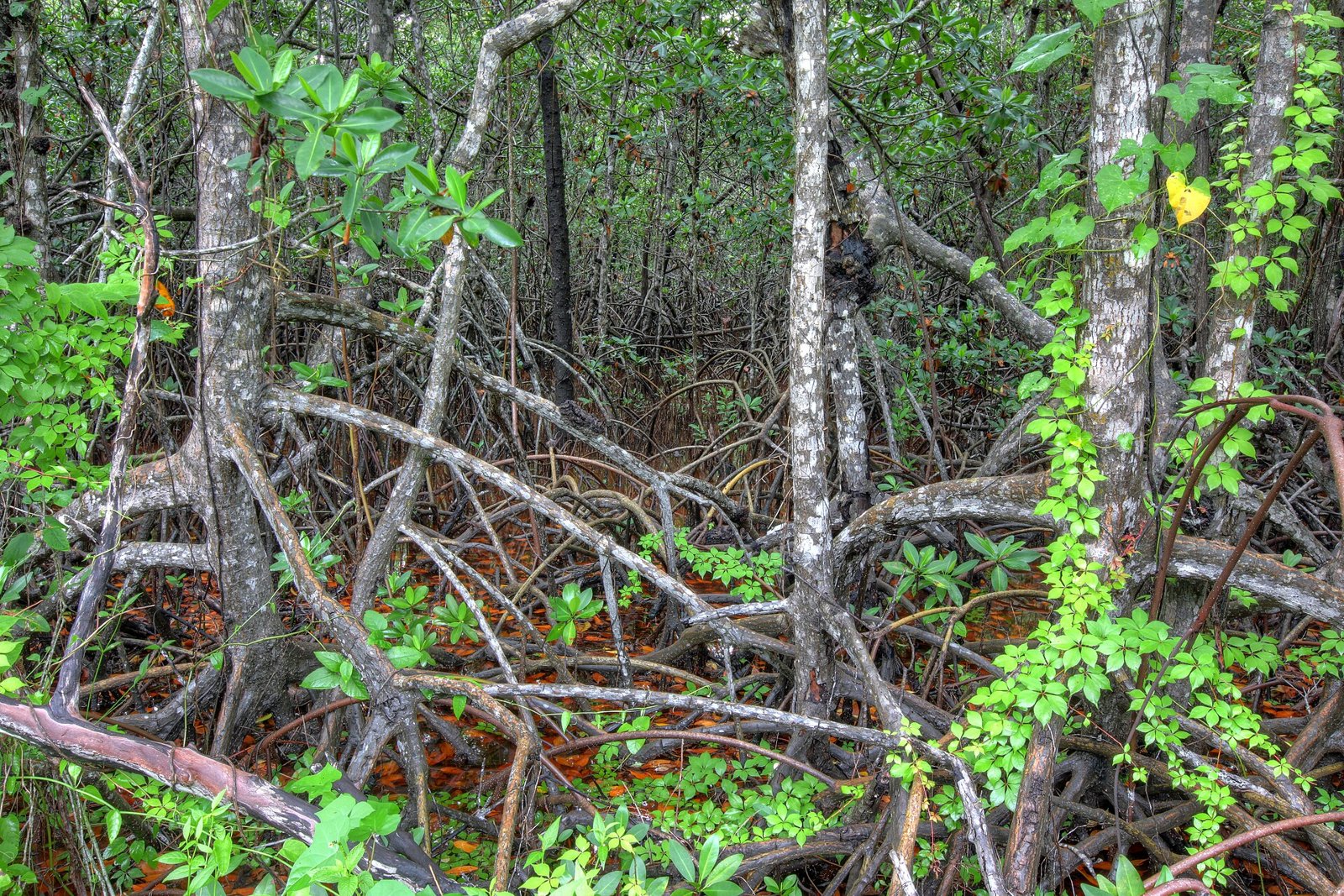
- Coastal bodyguards: their tangled roots help shield coastal communities from erosion and storm surges.
- Nurseries of the sea: those stilt-like roots give shelter to young fish, shrimp, crabs and other marine life, which supports fisheries people depend on.
That is why a rebound measured in square kilometers can ripple out into cleaner air, safer coastlines and fuller fishing nets.
The Comeback Is Real, but Fragile
The scientists are careful not to oversell the good news. Losses still outweigh gains in some regions. Heavy mangrove loss in the Niger Delta has reduced total mangrove area in West and Central Africa since 2010. In North America and southern Africa, tropical cyclones have badly damaged large stretches of forest. And a severe freeze in Texas in 2021 caused a sharp drop in mangroves there, showing how quickly gains can be wiped out.
“The global successes we’ve seen with mangroves during the past decade should not be seen as grounds for complacency. This underscores that conservation and slowing deforestation can lead to huge positive impacts when coupled with natural expansion and regeneration.”
— Zhen Zhang, to NASA Earth Observatory
Zhang’s advice for keeping the comeback going is simple: “The most immediate and effective way to protect mangroves is to stop deforestation.” When mangroves are cleared, they release carbon they have stored for a very long time. When they are left standing, they keep pulling more carbon in.
The Takeaway
It is rare to get a nature headline that says “it’s working.” This is one of them. Forty years of satellite photos show that when people protect coastal forests, restore damaged ones and give nature room to spread, mangroves can bounce back on a global scale.
The next decade of Landsat images will show whether the line keeps climbing. For now, the planet’s coastlines are a little greener than they were in 2010, and that is something worth sharing.
Sources
- NASA Earth Observatory: A Global Rebound for Mangroves (Image of the Day, November 13, 2026; story by Adam Voiland)
- Tulane University via EurekAlert!: Global mangrove forests rebound, offering hopeful sign for climate and coastal resilience (June 4, 2026)
- Tulanian: Mangroves Make Global Comeback (Fall 2026)
- NASA Science: NASA Satellites Show Mangrove Forest Rebound (June 4, 2026)
- Zhang, Z., et al. (2026). Unexpected expansion and regrowth in Earth’s mangrove forests over the past four decades. Science, 392(6802), 1082–1087. doi:10.1126/science.aec9773
Image Credits
- Red mangroves at Ding Darling NWR: Liz Barraco / U.S. Fish and Wildlife Service via Wikimedia Commons, public domain
- Landsat images of Myeik District, 2010 and 2026: NASA Earth Observatory images by Michala Garrison, using Landsat data from the U.S. Geological Survey, public domain
- Cormorants on mangroves: NOAA National Marine Sanctuaries via Wikimedia Commons, public domain
- Everglades mangrove forest: Glenn Gardner / National Park Service via Wikimedia Commons, public domain