For weeks, the rangers at Royal Jozini Private Game Reserve in Eswatini knew something wonderful was happening in the bush, but they couldn’t see it. A female cheetah named Baleka had gone quiet in one spot, the way a new mother does. Her tracking collar told them where she was. Nobody went in for a closer look.
Now Baleka has started bringing her family out into the open, and the team has finally counted them: five healthy cubs. Announced on November 23, 2026, the litter is the first cheetah litter born in Eswatini in decades, and the first big sign that a careful effort to bring the world’s fastest land animal back to the small southern African kingdom is actually working.
A cat that had vanished for more than 35 years
Cheetahs once lived across much of Eswatini. Habitat loss, persecution and shrinking numbers of prey slowly pushed them out, and the country’s last viable cheetah population is believed to have hung on only into the 1980s. For more than 35 years after that, there were no wild cheetahs left in the country.
That changed with a homecoming planned in two stages. In December 2025, two adult sisters, Baleka and Sondela, were moved from Nyosi Wildlife Reserve in South Africa’s Eastern Cape to Royal Jozini, a private reserve along Lake Jozini in the east of the country. After about a month settling in inside an enclosure called a boma, they were released onto the reserve in January 2026. Two adult males from Dinokeng Game Reserve in South Africa’s Gauteng province followed in April.
Royal Jozini was chosen partly for what it doesn’t have. There are no lions on the reserve, and leopards and hyenas, which can kill cheetahs and especially their cubs, are scarce. Impala, nyala, kudu, wildebeest, warthog and small antelope give the cats plenty to hunt.
The project was a team effort, involving Royal Jozini, The Metapopulation Initiative (TMI), Nyosi Wildlife Reserve, Dinokeng Game Reserve, the Global Humane Conservation Fund of Africa, Kifaru Wildlife Veterinary Services, the Wildlife Emergency Fund, and wildlife authorities in both Eswatini and South Africa.
Five cubs, counted from a respectful distance
According to the reserve, Baleka’s cubs were born on September 19, 2026. Instead of approaching her den, the monitoring team used tracking data and stayed back, giving her space during the cubs’ most fragile early weeks. Only once she began moving more freely, leading the youngsters into open areas, did the team document all five up close.
Field monitors describe Baleka as protective and attentive. All five cubs have survived their first weeks with no losses reported, though they are still too young for anyone to say confidently which are male and which are female.
This is the first litter of cheetah cubs born in Eswatini in a few decades. Seeing a reintroduced cheetah in a new landscape is always rewarding, however, the true test of a reintroduced population is breeding.
Gareth Nuttall-Smith, CEO of The Metapopulation Initiative
With the litter, TMI now classifies the Royal Jozini cheetahs as a breeding population. That is the moment reintroduction teams wait for: proof that relocated animals have not just survived in a new place, but feel settled enough to raise a family there.
A mother who was rescued as a cub herself
Baleka’s own story makes this litter extra special. In a post on the reserve’s blog, Royal Jozini explains that when Baleka and Sondela were only a few weeks old, back in the Eastern Cape, their mother broke her leg and was being cared for in a boma. The reserve’s operations manager, Braden, found her four cubs and brought them safely back to her, and she raised them herself while she recovered.
Taryn Gillson of the Global Humane Conservation Fund of Africa has noted that the sisters were raised by a rehabilitated, successfully rewilded mother. As she put it when the cheetahs first arrived in Eswatini: “Their journey is a powerful reminder that when we give wildlife a second chance, the benefits can extend across generations.” Five cubs later, that line reads a little like a prophecy.
The heartbreak behind the happy news
This isn’t a story without sorrow, and Royal Jozini has been honest about it. Because the sisters grew up used to people, Sondela did not see humans as a threat. One day her collar showed no movement. Rangers found it thrown up a tree. She had been poached for her skin. One of the poachers was later found, arrested, brought before a court and sentenced, but the loss is still felt deeply by the team.
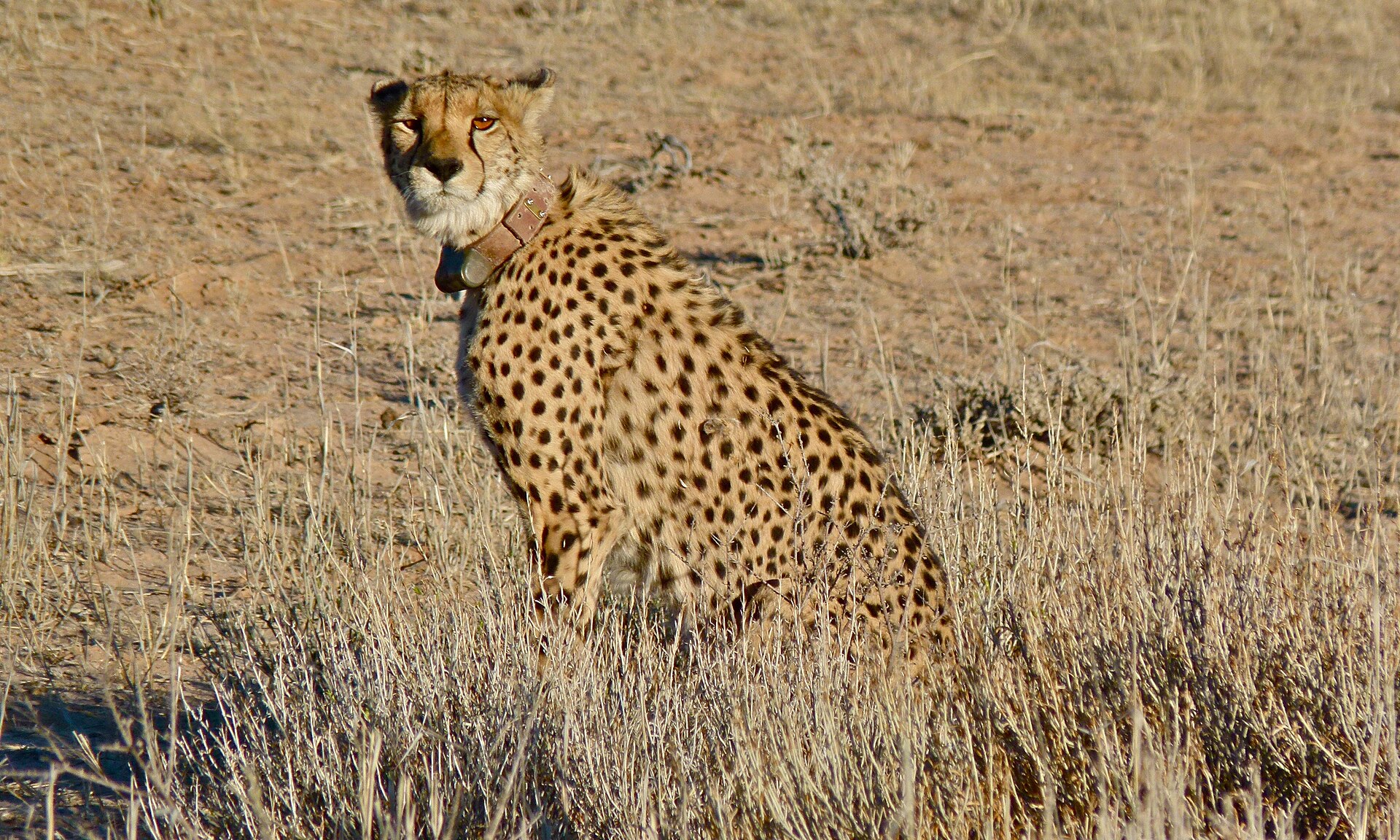
That is why the reserve watches its cats so closely. Every cheetah wears a collar, and rangers follow them with both GPS tracking and old-fashioned VHF radio antennas, keeping an eye on where they go, how they hunt and whether anything seems wrong. It was the silence of Sondela’s collar that first raised the alarm, and the same tools are now helping protect Baleka and her cubs.
Why one litter matters so much
Fewer than 7,000 cheetahs remain in the wild worldwide, with roughly 1,000 in South Africa, according to figures reported by the Mail & Guardian. Cheetahs also have unusually little genetic variety, the legacy of a severe population crash thousands of years ago. That makes every healthy, well-matched litter valuable.
Royal Jozini is part of what’s called a cheetah metapopulation programme. Cheetahs on separate fenced reserves can’t wander off to find unrelated mates, so conservationists manage cats across many reserves as one big population, moving carefully chosen animals between them to keep bloodlines healthy. Here’s how it works:
- Each reserve’s cheetahs are treated as part of one larger, shared population.
- Animals are matched based on their ancestry to avoid inbreeding.
- When cubs grow up and become independent, some can be moved to other reserves to breed with unrelated cheetahs.
- New cheetahs can be brought in from elsewhere to boost a young population like Royal Jozini’s.
So Baleka’s five cubs could one day help cheetahs not only in Eswatini, but across southern Africa.
Hope, with patience
The people involved are careful not to celebrate too early. Breeding is an early milestone, not proof that a self-sustaining population has taken root. Kulani Nyakane of TMI pointed out back in June that first-time cheetah mothers are often less successful with their first litters, which makes Baleka’s clean start all the more encouraging. The cubs still have many months of growing up to do, and the team will keep monitoring them closely.
Four cheetahs were returned to Royal Jozini to help rebuild a population that had disappeared from Eswatini. Now Baleka is raising five healthy cubs on that same landscape.
Dr. Robert “Robbie” Kröger, founder of The Origins Foundation
Royal Jozini’s managing director, Jay Azran, summed up how far things have come: “It’s amazing to think that this journey started 2 years ago with a phone call. Now we witness a stoic mother raising her 5 cheetah cubs inside our conservation area.”
Somewhere in the Eswatini bush right now, five small spotted cats are learning to stalk, pounce and keep up with their mother. After more than three decades without them, that is a sight worth waiting for.
Sources
- The Origins Foundation via Outdoor SportsWire: “Five Healthy Cheetah Cubs Mark Next Chapter in Eswatini’s Historic Reintroduction” (November 23, 2026)
- Royal Jozini: “Why We Monitor Our Cheetah – A Story of Love, Loss and Hope” (2026)
- Mail & Guardian: “Cheetahs reintroduced to Eswatini” (June 24, 2026)
- Eswatini Observer: “Cheetahs return to Eswatini after 35 years” (June 24, 2026)
- Suid-Kaap Forum: “Five healthy cheetah cubs mark next chapter in Eswatini’s historic reintroduction” (November 26, 2026)
Image credits
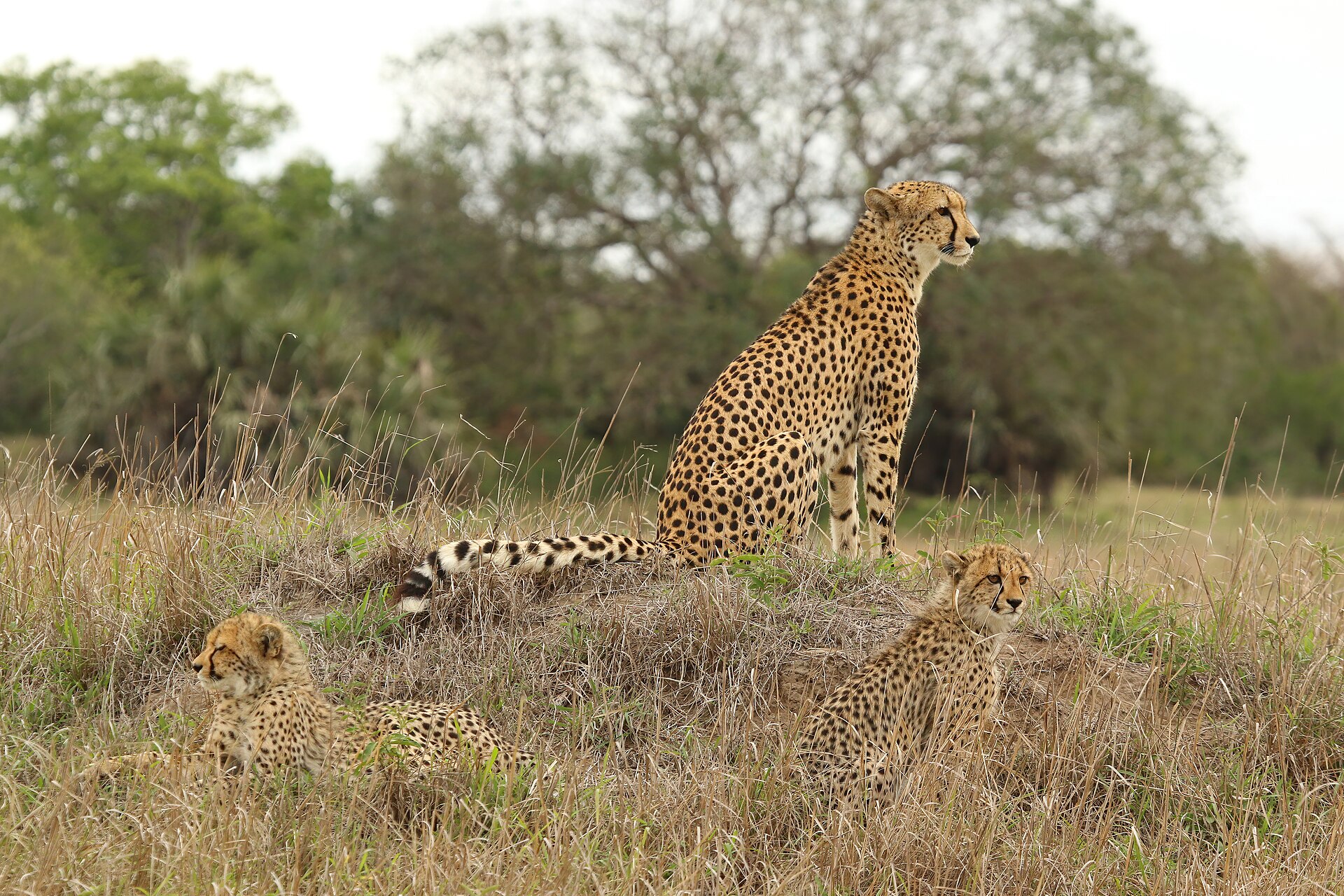
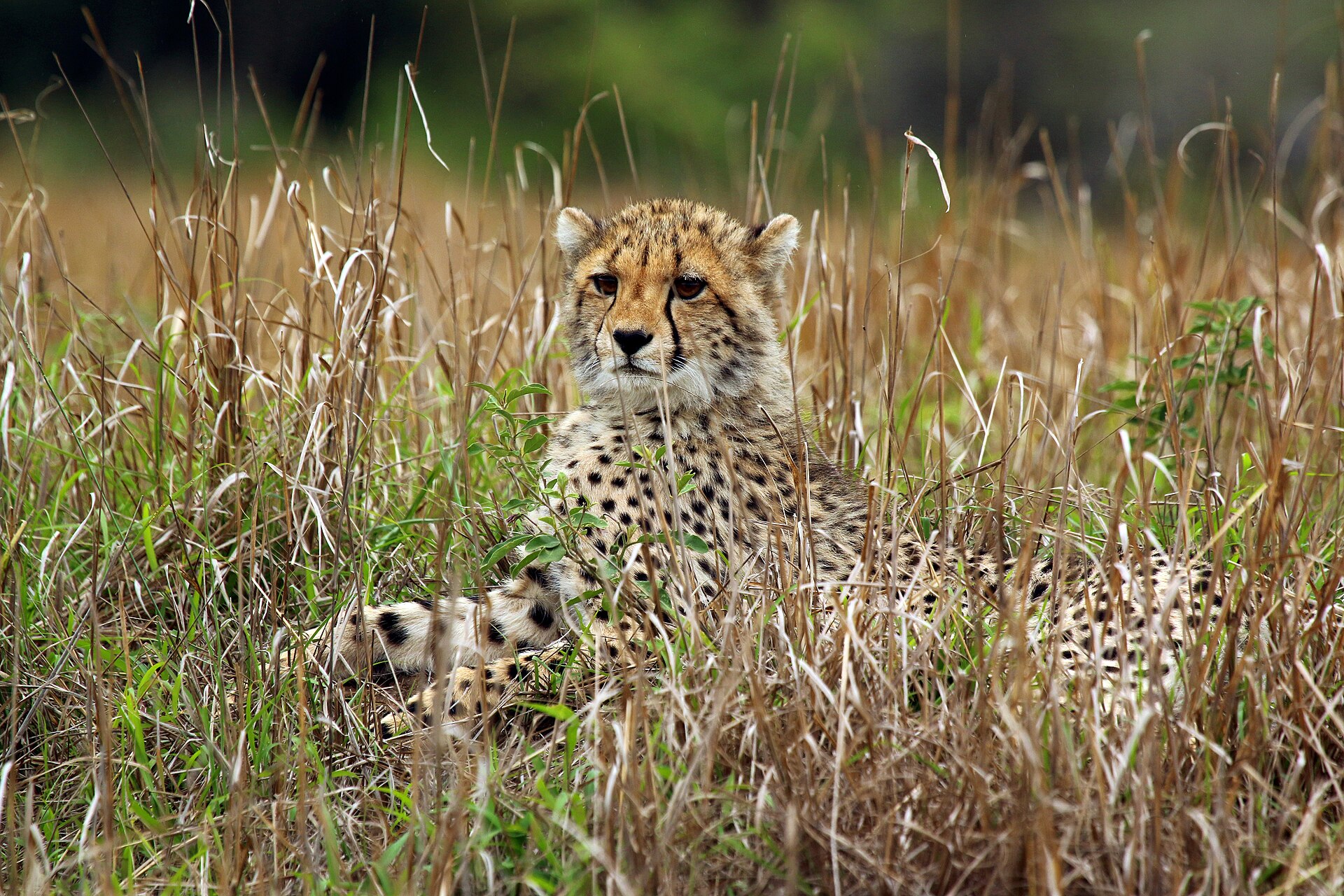
None of the photos above show Baleka or her cubs. They are freely licensed photos of wild cheetahs in South Africa, used to show the species and how cheetahs are monitored.
- Cheetah mother with two cubs, Phinda Private Game Reserve: Charles J. Sharp, CC BY-SA 4.0, Wikimedia Commons
- Cheetah cub, Phinda Private Game Reserve: Charles J. Sharp, CC BY-SA 4.0, Wikimedia Commons
- Collared female cheetah, Kgalagadi Transfrontier Park: Bernard Dupont, CC BY-SA 2.0, Wikimedia Commons