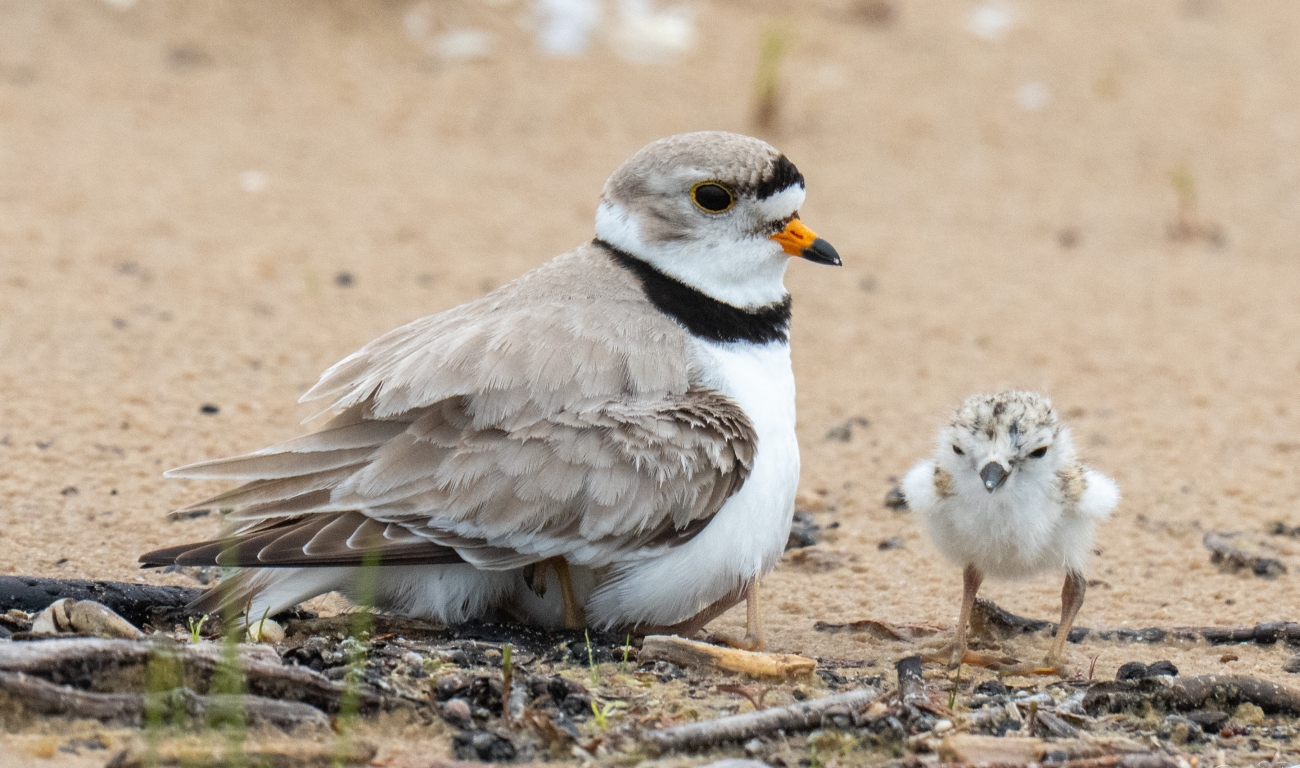
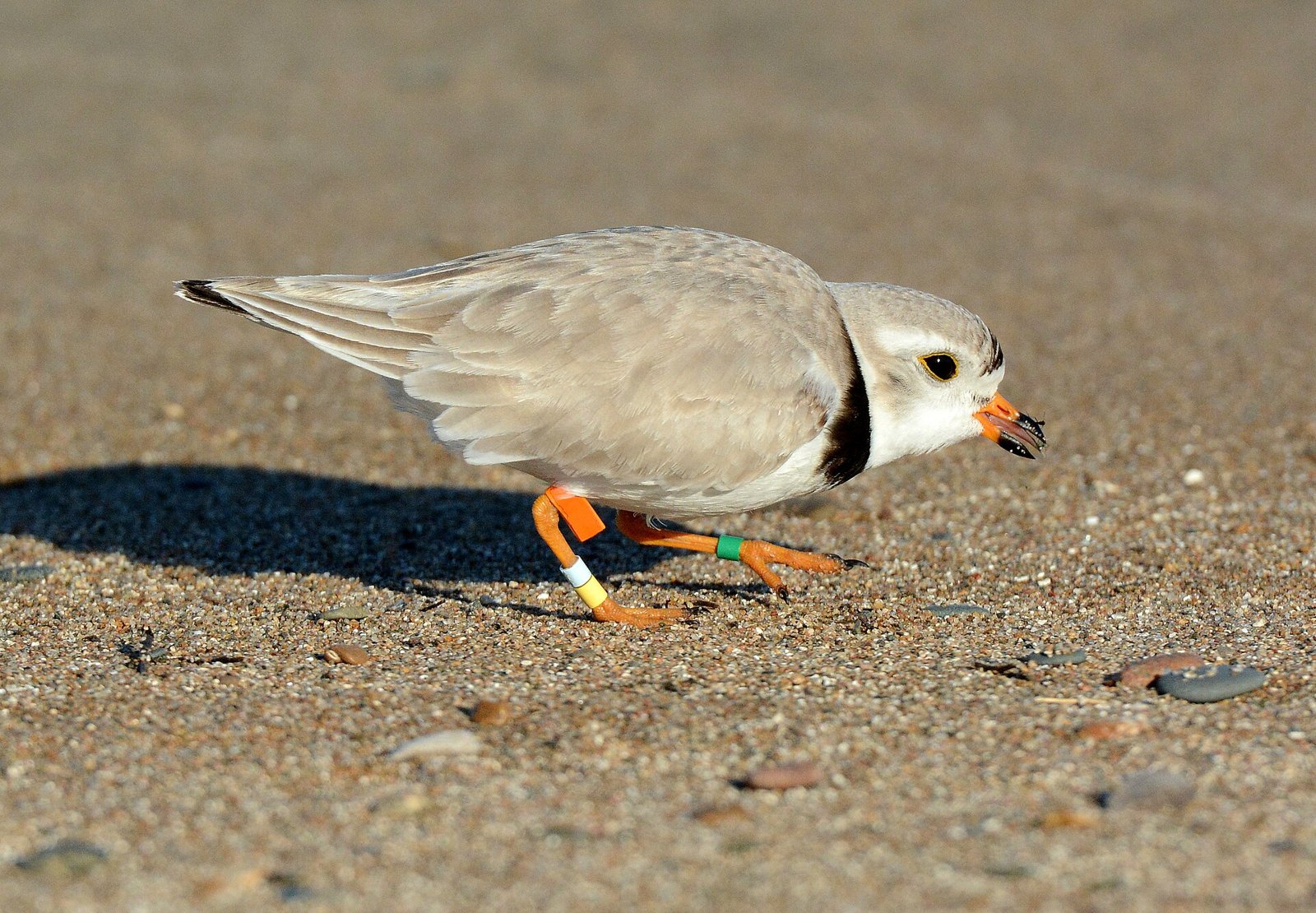
Picture a bird about the size of a sparrow, the color of dry sand, with orange legs and a little black necklace. It runs along the beach in quick bursts, stops, peeks at the ground, and runs again. If you blink, you lose it against the sand.
That is the Great Lakes piping plover. And this year, it had the best summer anyone has recorded since it was listed as endangered in 1986.
The U.S. Fish and Wildlife Service reports that 99 pairs nested across the Great Lakes in 2026, up from 88 pairs in 2025. Together, wild and rescued birds sent a record 184 chicks into the sky. For a population that was down to roughly a dozen pairs in 1990, that is a big deal.
How close they came to disappearing
There were once an estimated 500 to 800 pairs of piping plovers nesting around the Great Lakes, according to the Fish and Wildlife Service. Then came decades of trouble. Busy beaches, shoreline development, predators, and disturbance chipped away at the places where these birds could safely lay eggs.
By 1990, the whole Great Lakes population was down to about a dozen pairs, and all of them were in northern Michigan. One bad storm season, or one hungry predator that learned where the nests were, could have wiped out a huge share of what was left.
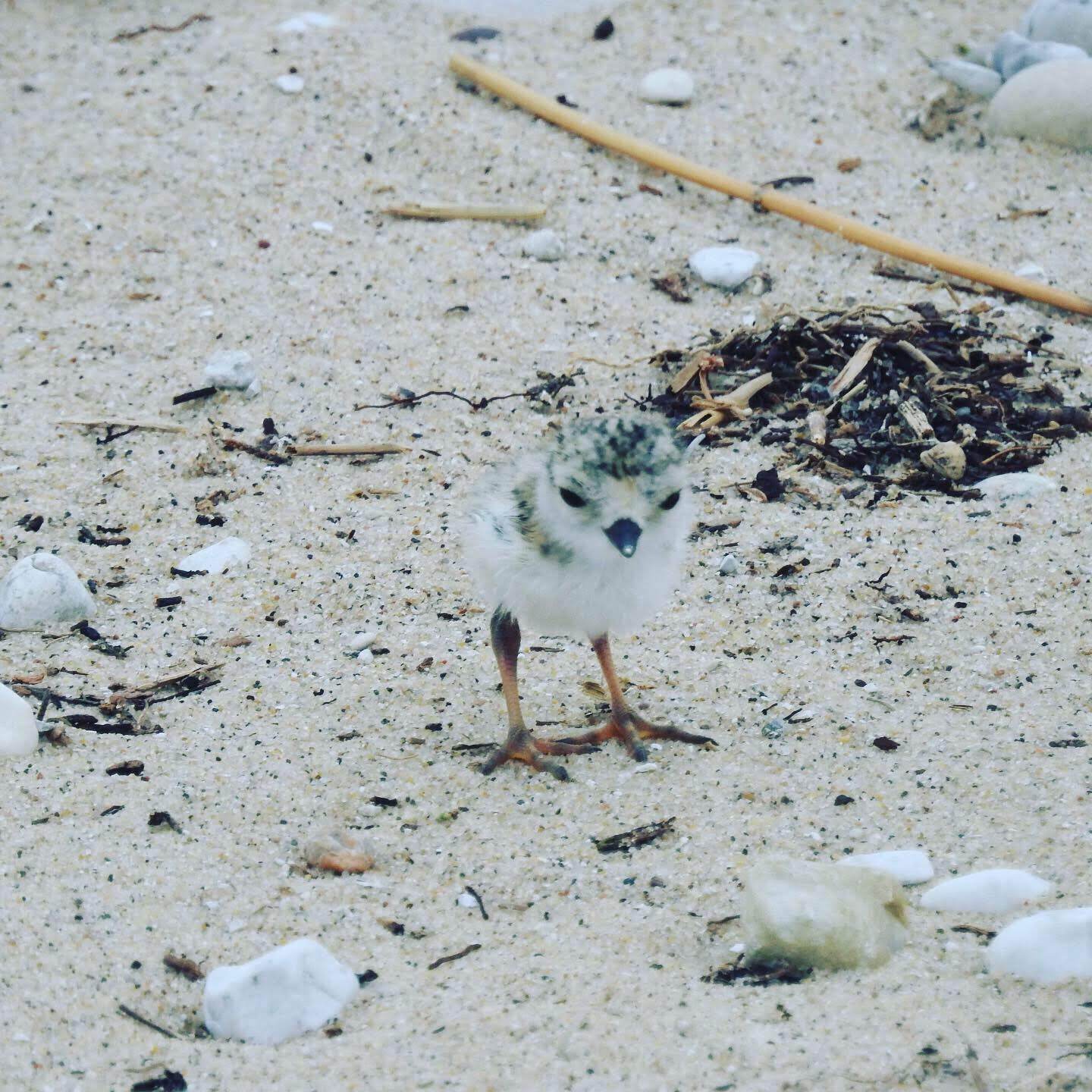
Piping plovers don’t build fancy nests. They scrape a shallow dip in the sand or pebbles, lay their speckled eggs, and trust camouflage to do the rest. That works well on a quiet beach. It works much less well on a beach full of people, dogs, gulls, foxes, and raccoons.
The numbers from the record 2026 season
Here’s what the Fish and Wildlife Service and Audubon Great Lakes reported for this year:
- 99 nesting pairs, the most since the population was listed as endangered.
- 101 nests found by monitors across the region.
- 160 wild chicks fledged, about 1.6 per pair, which beats the recovery target of 1.5.
- 24 captive-reared chicks fledged and released, bringing the total to 184.
- Plovers nested on all five Great Lakes, something they have done every year since 2017.
Audubon notes this is the fifth record-setting season in a row. It wasn’t a perfect year: 17 nests failed, including nine linked to adults being taken by predators and four washed out by high water. But chick survival was strong for most of the summer, and that turned a record number of pairs into a record number of young birds.
A rescue program for eggs nobody can incubate
One of the most touching parts of this story happens in a small facility in northern Michigan.
Both plover parents take turns sitting on the eggs. So when one parent is killed by a predator, or a storm floods a nest, the eggs can be left with no one to keep them warm. When that happens, trained field teams follow a Fish and Wildlife Service protocol to decide whether to collect them.
Rescued eggs go to the captive-rearing center at the University of Michigan Biological Station in Pellston, which the Detroit Zoo runs. Zookeepers from other zoos around the country sign up to spend part of their summer there, incubating eggs and raising tiny chicks until they can fly well.
In 2026, the program incubated 36 eggs. Twenty-six chicks hatched, and 24 fledglings were released back onto Great Lakes beaches. Thirteen zoos took part. Audubon puts it plainly: those 24 birds otherwise would not have survived.
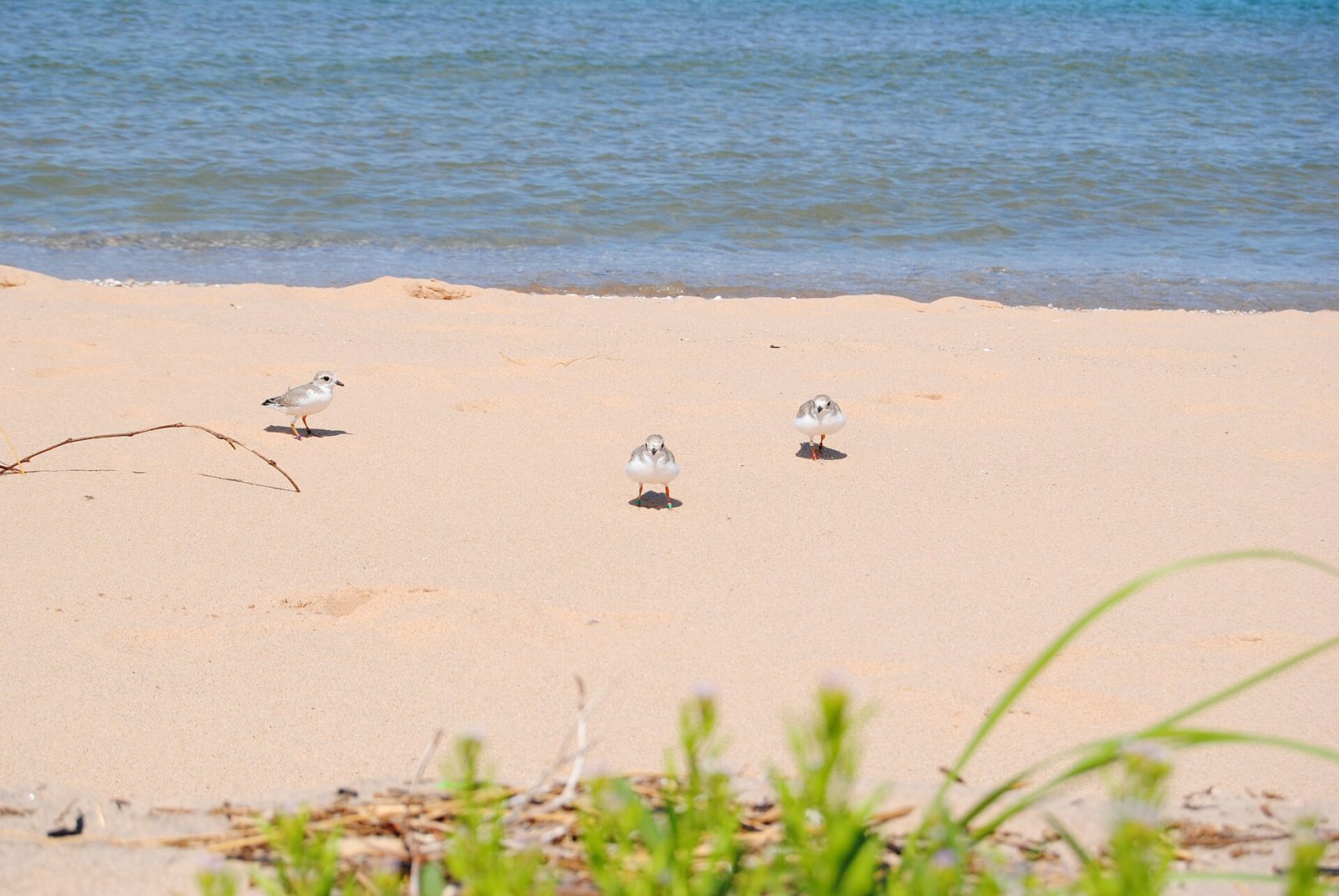
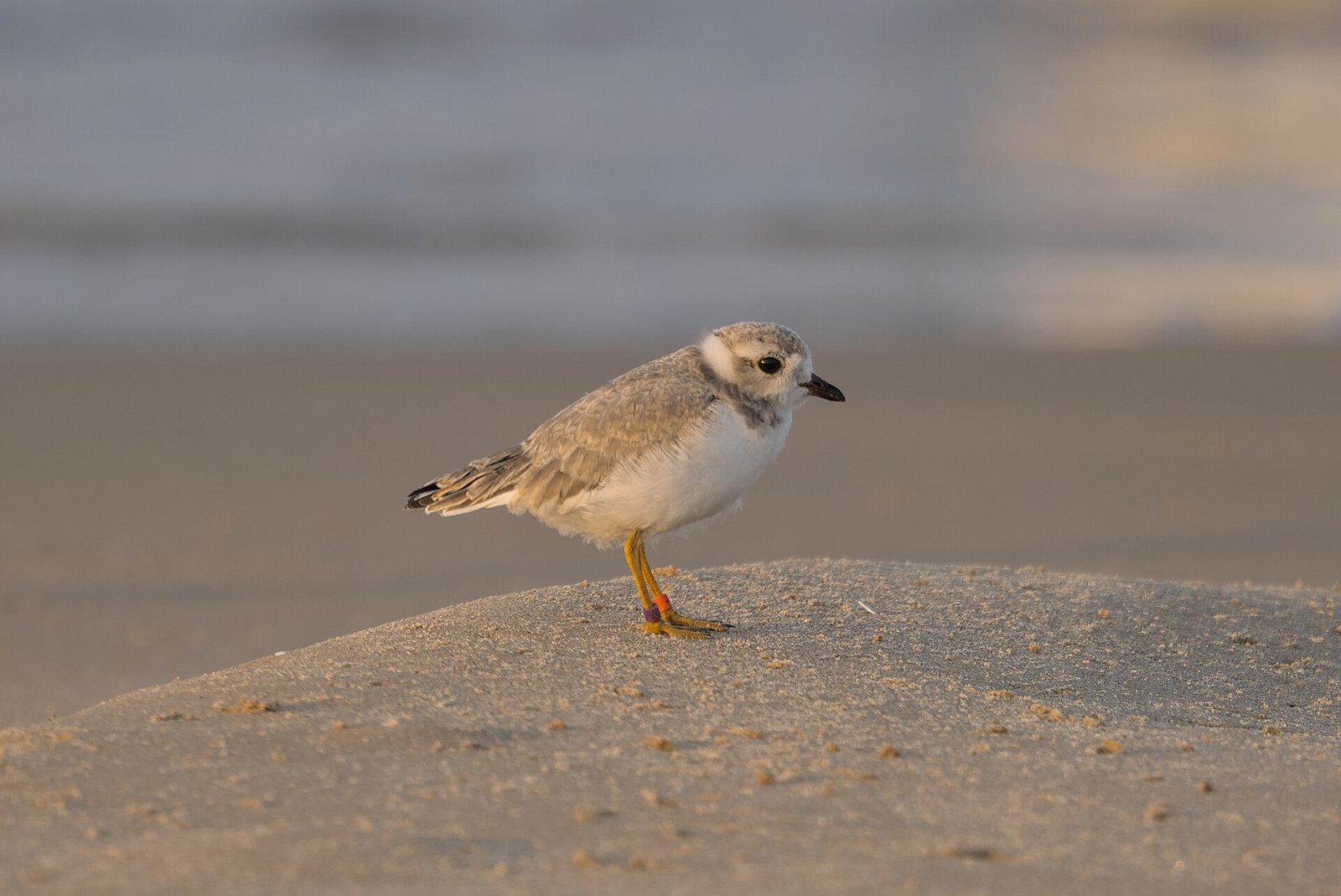
Released chicks are let go near wild plovers of a similar age, so they have company and role models from day one. If you ever spot a plover with an orange flag and a two-colored band on its leg, the Great Lakes Piping Plover Recovery Effort says you’re probably looking at one of these captive-reared birds.
Sleeping Bear Dunes, the plover capital
About a third of all Great Lakes pairs nested along the shore of Sleeping Bear Dunes National Lakeshore in Michigan this year. According to the Friends of Sleeping Bear Dunes, 32 pairs made 33 nests there and laid 129 eggs. Of those, 111 hatched in the wild, 60 chicks fledged, and four more fledged through the captive-rearing program.
Park wildlife biologist Vince Cavalieri summed up the season simply, calling it “a great year” for the plovers.
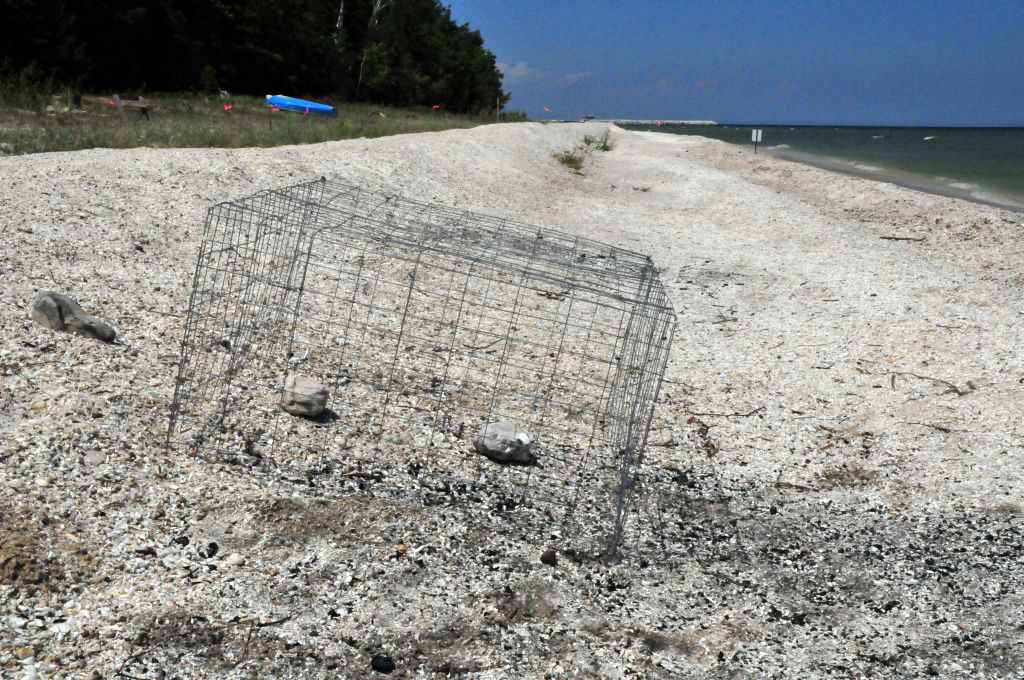
That success comes from a lot of patient, unglamorous work. National Park Service staff and volunteers watch the nests from spring to late summer, rope off nesting areas, and talk with beachgoers about how to share the shore. Small wire cages called exclosures go over some nests, with gaps big enough for plovers to slip through but too small for foxes and gulls.
Comebacks far beyond Michigan
The long-term recovery plan calls for at least 50 pairs outside Michigan, so wins elsewhere matter a lot. Audubon highlighted several from 2026:
- Cat Island, Green Bay, Wisconsin: after major habitat restoration, plovers came back to nest for the first time in 75 years, and two families fledged five chicks.
- Apostle Islands, Wisconsin: a record-tying seven breeding pairs.
- Pennsylvania: ten fledglings from three broods.
- Ontario: nine fledglings from three broods.
- Illinois: two chicks fledged at Chicago’s Montrose Beach, and four captive-reared chicks were released in Waukegan.
“Seeing Piping Plovers return to Cat Island after decades of absence demonstrates what’s possible when habitat restoration and long-term conservation investment come together,” said Tom Prestby of Audubon Great Lakes.
Volunteers are the secret ingredient
Every account of this recovery comes back to people. Volunteers sit on beaches for hours watching nests, explain to curious visitors why a section is roped off, and report banded birds so scientists can follow them. In 2026, the Smithsonian Migratory Bird Center’s banding crew also banded 43 adults and 204 wild chicks, which helps researchers track survival and migration year after year.
“Local volunteers continue to play a vital role, contributing many hours of their personal time to monitoring, outreach and education,” said Jillian Farkas, the Fish and Wildlife Service’s lead biologist for Great Lakes piping plovers. “With 99 pairs nesting in 2026, we remain hopeful that it’s possible for these plovers to reach their recovery goal of 150 breeding pairs.”
Not finished yet, but heading the right way
The goal is at least 150 breeding pairs, held for five years in a row. At 99 pairs, the birds are about two-thirds of the way there. Storms, predators, changing lake levels, and crowded beaches can still undo progress quickly, so nobody is calling it done.
But think about where this started: about twelve pairs, all in one corner of one state. Now plovers nest on every Great Lakes shoreline, and this summer they raised more young than ever recorded.
If you visit a Great Lakes beach next spring or summer, you can help too. Give shorebirds plenty of space, respect roped-off areas, and keep dogs on a leash. That tiny sand-colored bird running at the water’s edge might be part of one of the best wildlife comebacks happening right now.
Sources: U.S. Fish and Wildlife Service, “Record-breaking season for endangered Great Lakes piping plovers” (Sept. 3, 2026); Audubon Great Lakes, “Record Numbers Bring Great Lakes Piping Plovers Closer to Recovery” (Oct. 7, 2026); Friends of Sleeping Bear Dunes, “A Promising Year for the Piping Plovers”; Great Lakes Piping Plover Recovery Effort, “Captive-rearing”.
Photo credits: John Doskoch/USFWS (public domain); NPS, young chick (public domain); NPS, 2019 release (public domain); Joel Trick/USFWS (public domain); Theemausoliam via Wikimedia Commons (CC0); Jim Hudgins/USFWS (public domain).


