Imagine an animal so rare that scientists twice wrote it off as gone forever. Then, one day in 1981, a ranch dog in Wyoming trots home with something in its mouth, and the whole story changes.
That animal is the black-footed ferret, North America’s only native ferret. It’s slim, curious, and wears a little black bandit mask across its eyes. And this year in northern Arizona, wildlife teams set 43 of them loose on the open grassland to help the species keep clawing its way back.
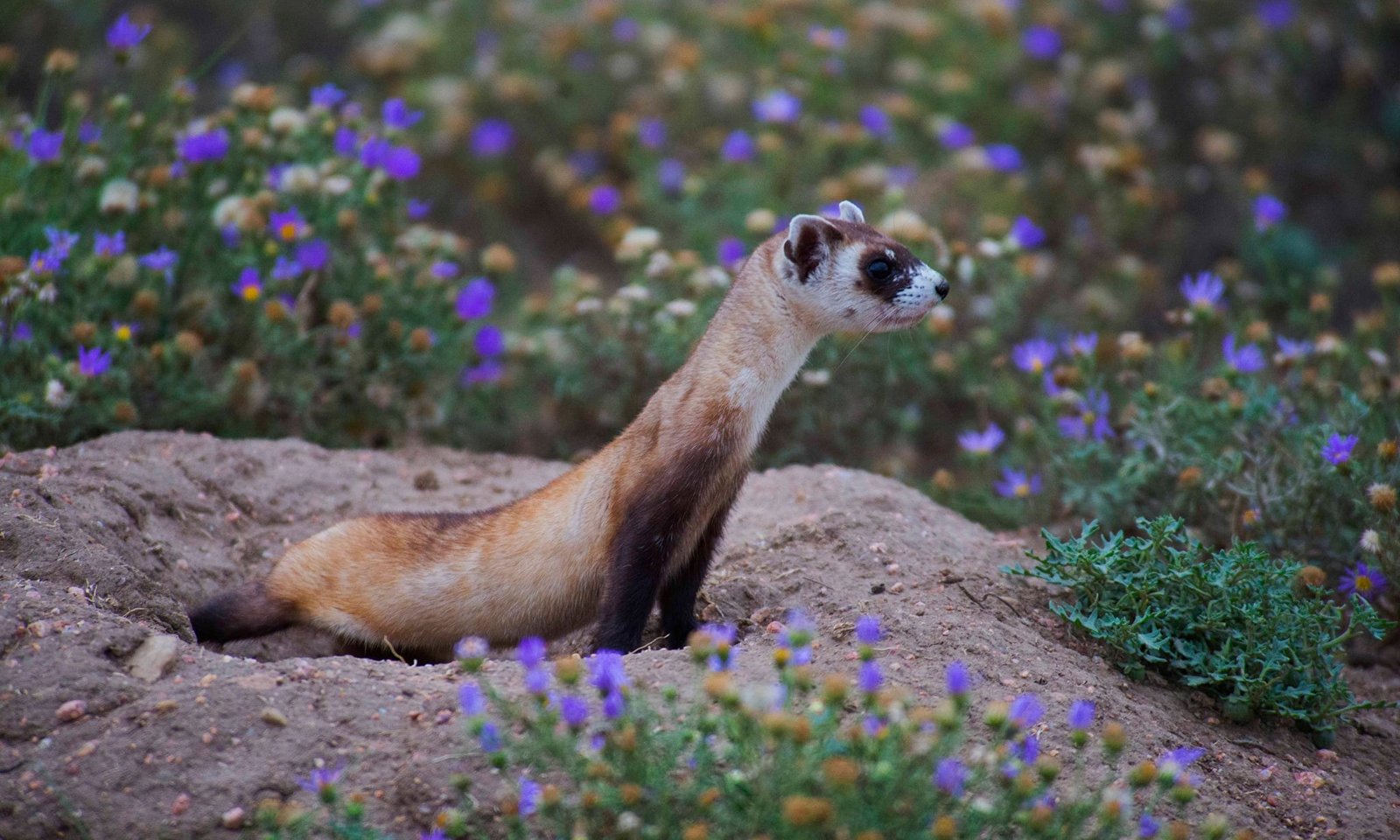
Forty-three ferrets, two nights, one big goal
The Arizona Game and Fish Department ran two releases in 2026.
- March 10: 19 ferrets were released, 13 in the Aubrey Valley and Double O Ranch area near Seligman and 6 at Garland Prairie near Parks.
- September 14: 24 more were released, 18 at Aubrey Valley and Double O Ranch and 6 at Garland Prairie.
The September group had quite a day. According to the department, the ferrets flew into Seligman that same morning from the National Black-footed Ferret Conservation Center in Colorado, which is run by the U.S. Fish and Wildlife Service. By evening they were scampering into prairie dog burrows in the wild.
Black-footed ferrets are mostly active at night, which is why both releases took place in the evening, with biologists, partner agencies, landowners, and volunteers on hand to help.
“The release of these ferrets is extremely important,” said Heather Heimann, the department’s black-footed ferret project specialist. “Not only will it help increase the population now, but come spring, there will be more chances for males and females to find each other and reproduce. This will allow more ferrets to be born in the wild.”
Boot camp before the big move
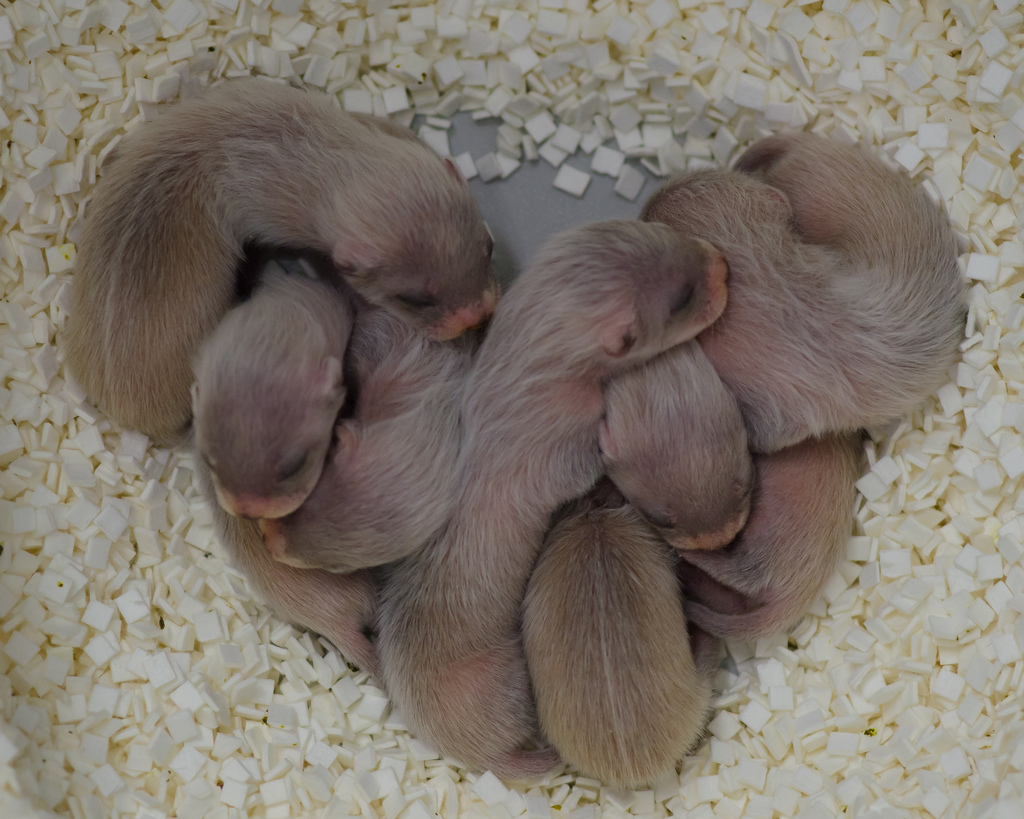
These ferrets weren’t born in Arizona. The March group came from captive breeding programs at the Toronto Zoo and the Smithsonian’s National Zoo before heading to the Colorado conservation center. There, captive-born ferrets go through a kind of survival school. They learn to hunt and to handle life outdoors before they ever see a real prairie.
That training matters, because a black-footed ferret’s whole life is built around prairie dogs. Prairie dogs are its main food, and their burrows are its home. In Arizona, the ferrets depend on Gunnison’s prairie dogs. No prairie dog town, no ferrets.
The dog that found a “lost” species
To see why every one of these releases is a big deal, you have to go back a few decades.
Black-footed ferrets were once found across the grasslands of western North America. Then their world fell apart. Farms replaced prairie, prairie dogs were poisoned in huge numbers, and disease swept through. By the late 1950s, the ferret was presumed extinct, according to the U.S. Fish and Wildlife Service. By the late 1970s, people believed the species was gone for good.
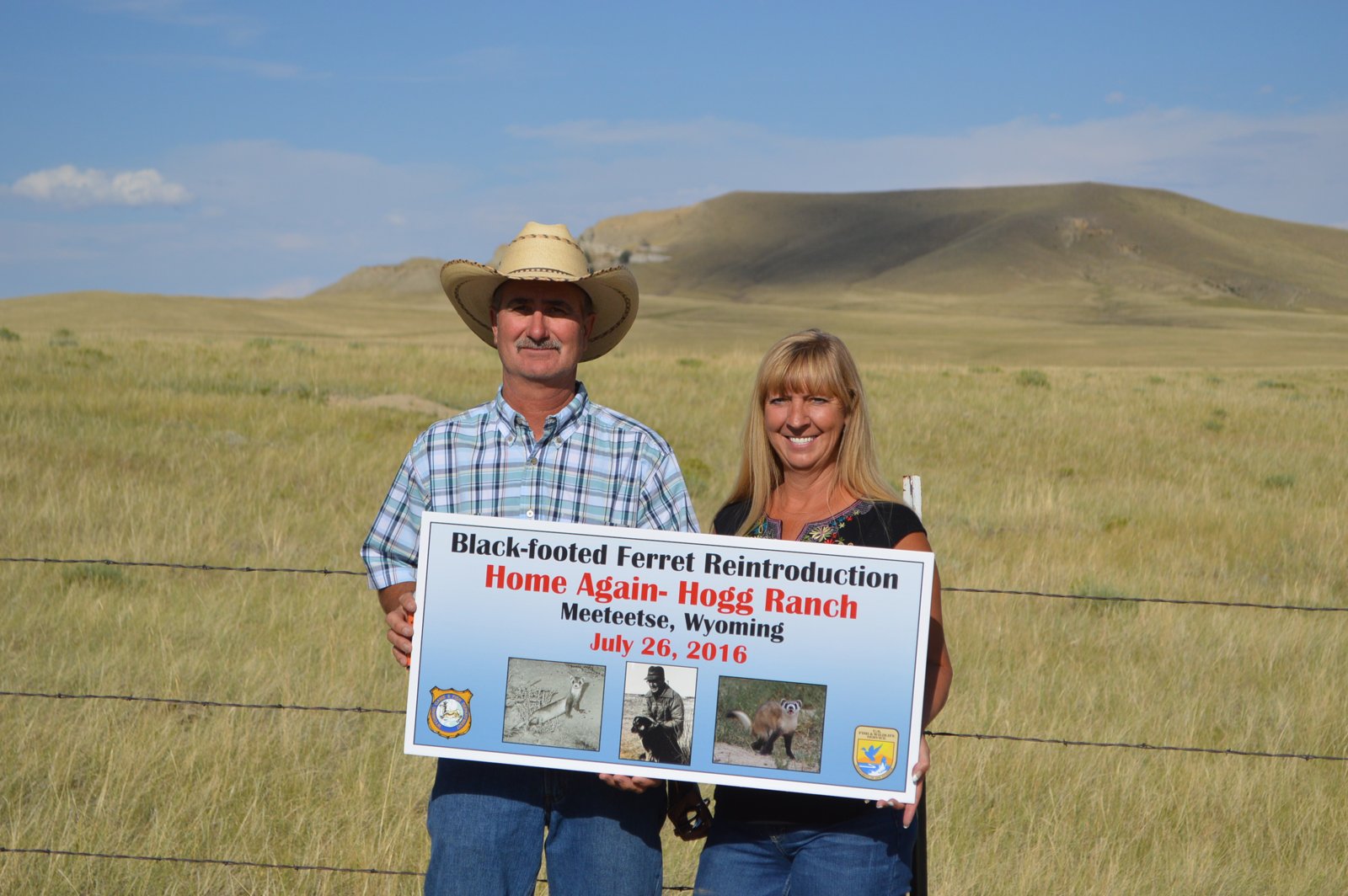
Then, in 1981, a ranch dog named Shep brought a dead ferret home near Meeteetse, Wyoming, where the Hogg family ranched. That one discovery led biologists to the last wild colony on Earth.
It didn’t last long. Disease hit that colony hard, and by 1986 only 18 ferrets were left. Wildlife managers made a bold call: they caught every remaining animal and started a captive breeding program. Only seven of those survivors went on to have offspring, so nearly every black-footed ferret alive today descends from those seven.
From 18 survivors to about 300 in the wild
Since then, ferrets have been reintroduced at dozens of sites. The Arizona Game and Fish Department counts 35 release sites across the United States, and about 300 black-footed ferrets now live in the wild nationwide.
Arizona has been part of this since 1996, when ferrets were first reintroduced in Aubrey Valley. After the March 2026 release, the department said the state was home to about 20 wild ferrets, and the September release added two dozen more to the landscape.
Garland Prairie, between Flagstaff and Williams, is one of the newer spots. It saw its first ferret release in 2025, and it’s one of only two release sites in the country on land managed by the U.S. Forest Service.
“Adding natural predators, like black-footed ferrets, back into the system is part of the natural order of the landscape,” said Holly Hicks, small mammals program coordinator for the department. “It’s important work to be a part of that.”
A clone helped, too
One of the strangest and coolest chapters of this story is happening in labs and zoos. Because today’s ferrets come from just seven ancestors, their genes are very similar, which can make a species fragile.
So scientists went looking for lost genes. In 1988, tissue from a ferret named Willa was frozen and stored at the San Diego Zoo Wildlife Alliance’s Frozen Zoo. More than 30 years later, partners including the Fish and Wildlife Service, Revive & Restore, and ViaGen Pets & Equine used those cells to clone her.
- December 10, 2020: Elizabeth Ann was born, the first cloned U.S. endangered species.
- 2023: Two more clones, Noreen and Antonia, were born.
- June 2024: Antonia gave birth to two healthy kits, Sibert and Red Cloud. It was the first time a cloned U.S. endangered species had offspring.
- Summer 2025: Four more litters, 12 kits in all, were born to the clones and their descendants.
Elizabeth Ann and Noreen have since died, but their genes live on in the new generation. The cloned ferrets aren’t being released into the wild. Instead, their family line is helping bring back genetic variety that had been missing for decades.
The danger that hasn’t gone away
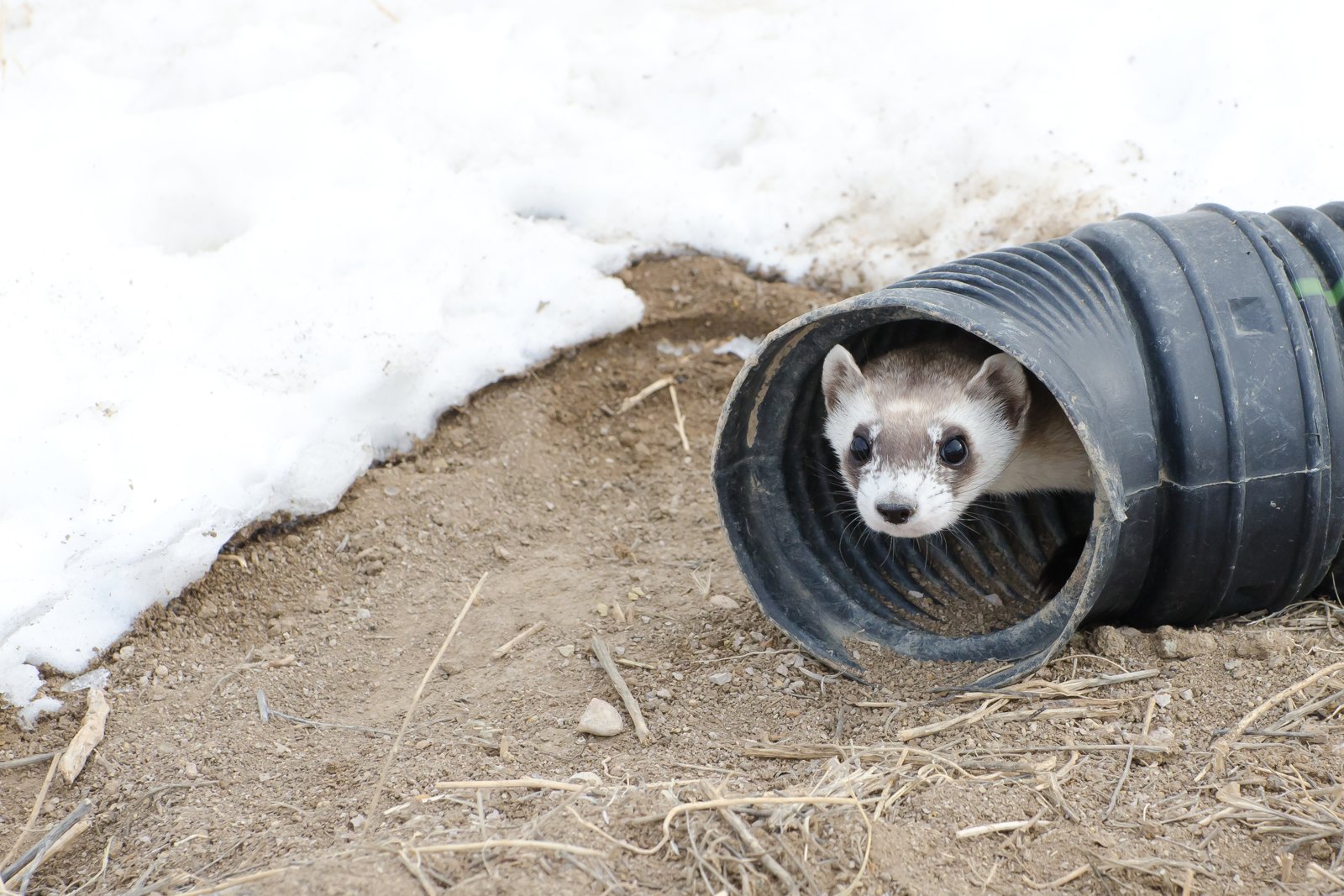
This isn’t a finished story. The biggest threat to ferret recovery is still sylvatic plague, a disease carried by fleas that kills both ferrets and the prairie dogs they depend on.
The released ferrets are vaccinated, but their wild-born babies won’t be. That’s why Arizona biologists surveyed prairie dog colonies carefully before the releases and found little to no sign of plague at the chosen sites. They timed the spring release for when prairie dogs come out and the ferret breeding season begins, hoping to find wild-born litters by summer.
Regular people are part of the rescue
Here’s the part I love most. Much of this work depends on volunteers. In Arizona, they help with releases, nighttime spotlighting surveys to count ferrets by their glowing green eyeshine, prairie dog surveys, and disease work.
“I don’t believe we could accomplish ferret recovery efforts without having a dedicated and passionate group of volunteers to help us get all of the work done,” said Jennifer Cordova, the department’s black-footed ferret project field coordinator.
From a ranch dog’s lucky find, to 18 last survivors, to cloned ferrets and dozens of new arrivals scampering across Arizona grassland, the black-footed ferret keeps proving that “extinct” isn’t always the end of the story.
Sources
- Arizona Game and Fish Department: Black-footed ferrets released in northern Arizona (March 16, 2026)
- Arizona Game and Fish Department: New batch of black-footed ferrets released in Arizona (Sept. 22, 2026)
- U.S. Fish and Wildlife Service: New offspring from cloned ferret (2024)
- U.S. Fish and Wildlife Service: Cloned black-footed ferret kits offer hope for the species
- Revive & Restore: Black-footed Ferret Project
Photo credits: All images are from the U.S. Fish and Wildlife Service via Wikimedia Commons. The burrow, kits, and Hogg Ranch photos are U.S. government works in the public domain. The snow photo is by Kimberly Tamkun/USFWS and is used under a CC BY 2.0 license.