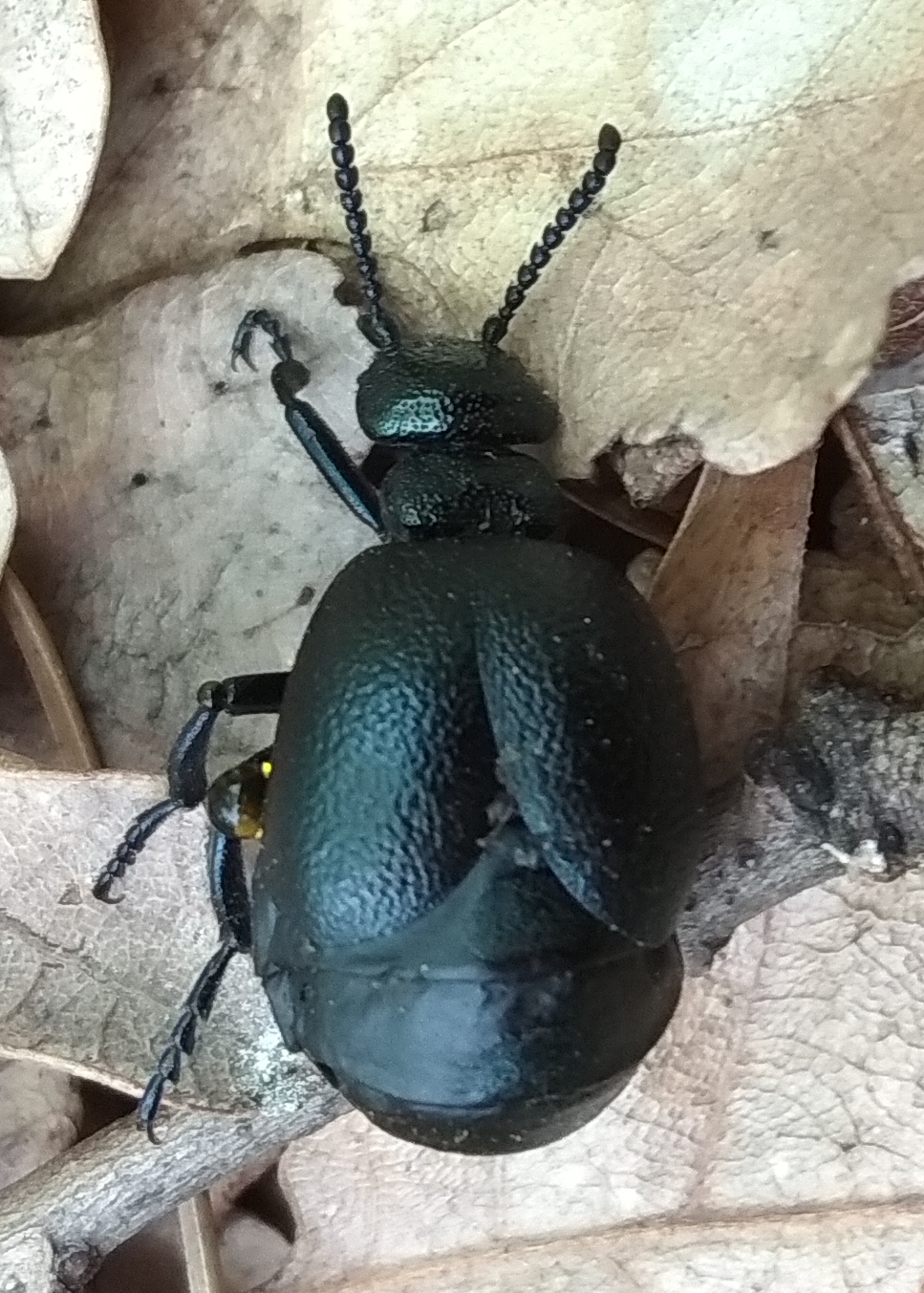
Some comeback stories star wolves, whales, or eagles. This one stars a shiny black beetle about the length of your thumbnail, a beetle that squeezes an oily orange liquid out of its knees when it feels threatened and can’t finish growing up without hitching a ride on a bee.
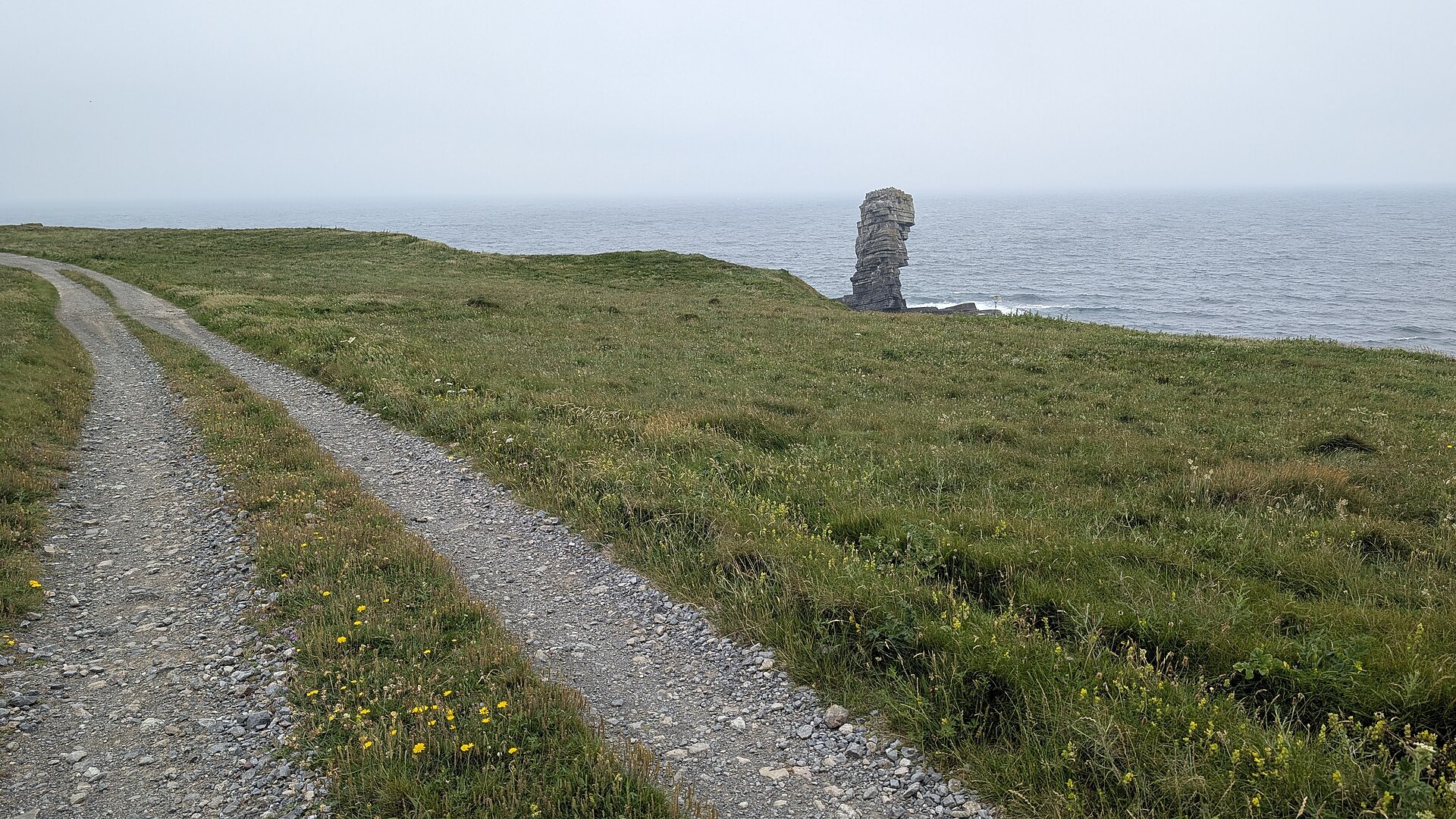
After three years of searching, conservationists in Wales have found fresh evidence that the short-necked oil beetle (Meloe brevicollis) is still breeding on the wild clifftops of Castlemartin Range in Pembrokeshire. It’s the only place in Wales where the species is known to live, and for a while, it looked like it might be slipping away.
Larvae on the clifftops, at last
Natural Resources Wales (NRW) shared the news on October 28, 2026. Surveyors from the Bumblebee Conservation Trust had been watching Castlemartin Range closely, and the last two checks weren’t encouraging. In 2022 and again in 2025, surveys found only dead adult beetles at the site, which raised real worries about whether the population was hanging on.
This year was different. Surveyors found the beetle’s larvae on a small part of the range. Based on how many larvae turned up, where they were spread, and the time of year, NRW says it looks like the team found some of the hatchlings from a larger batch of young beetles. In other words, adults had been there, had mated, and had laid eggs. The Welsh population is still making the next generation.
“It was very exciting to find this species and evidence of its breeding again, especially considering it will be the last survey for the species for our project,” said Anna Hobbs, project delivery officer for the Bumblebee Conservation Trust, in NRW’s announcement. She also thanked the partners and volunteers who kept going “after two years without larval sightings.”
A beetle that hitchhikes on bees
The reason this beetle is so rare is the same reason it’s so fascinating: its life depends on a chain of other living things all being in the right place at the right time.
Here’s how an oil beetle grows up, according to NRW:
- Eggs in bare ground: Females dig into patches of bare earth to lay their eggs.
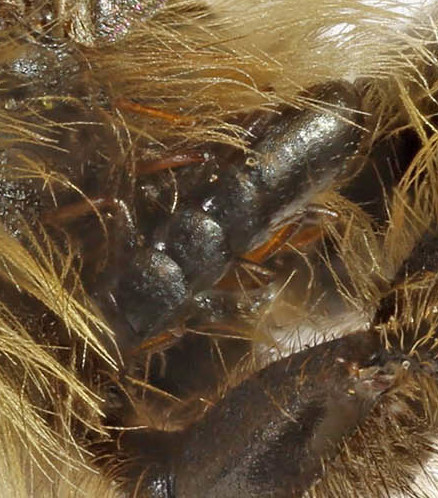
- Tiny climbers: The newly hatched larvae, called triungulins, crawl up onto nearby flowers and wait.
- The ride: When a solitary bee lands to feed, the larvae grab on and get carried back to the bee’s nest.
- The stolen lunch: Inside the nest, they feed on the pollen the bee collected, growing until they emerge as adults.
The name “triungulin” comes from the little hooked claws on their feet, which are perfect for snagging onto a bee’s hairy body. It’s a risky plan. A larva might grab the wrong insect, or never meet a bee at all. As The Guardian reported from NRW, only about one in 10,000 larvae make it to adulthood. That’s why finding a cluster of larvae is such a good sign: it means the whole fragile system is still working.
Why the knees ooze oil
Oil beetles get their name from a very effective self-defense trick. When they’re alarmed, they release an oily yellow-orange liquid from their leg joints, as the BBC described in its coverage. It’s a clear message to anything thinking of making a snack of them: not worth it.
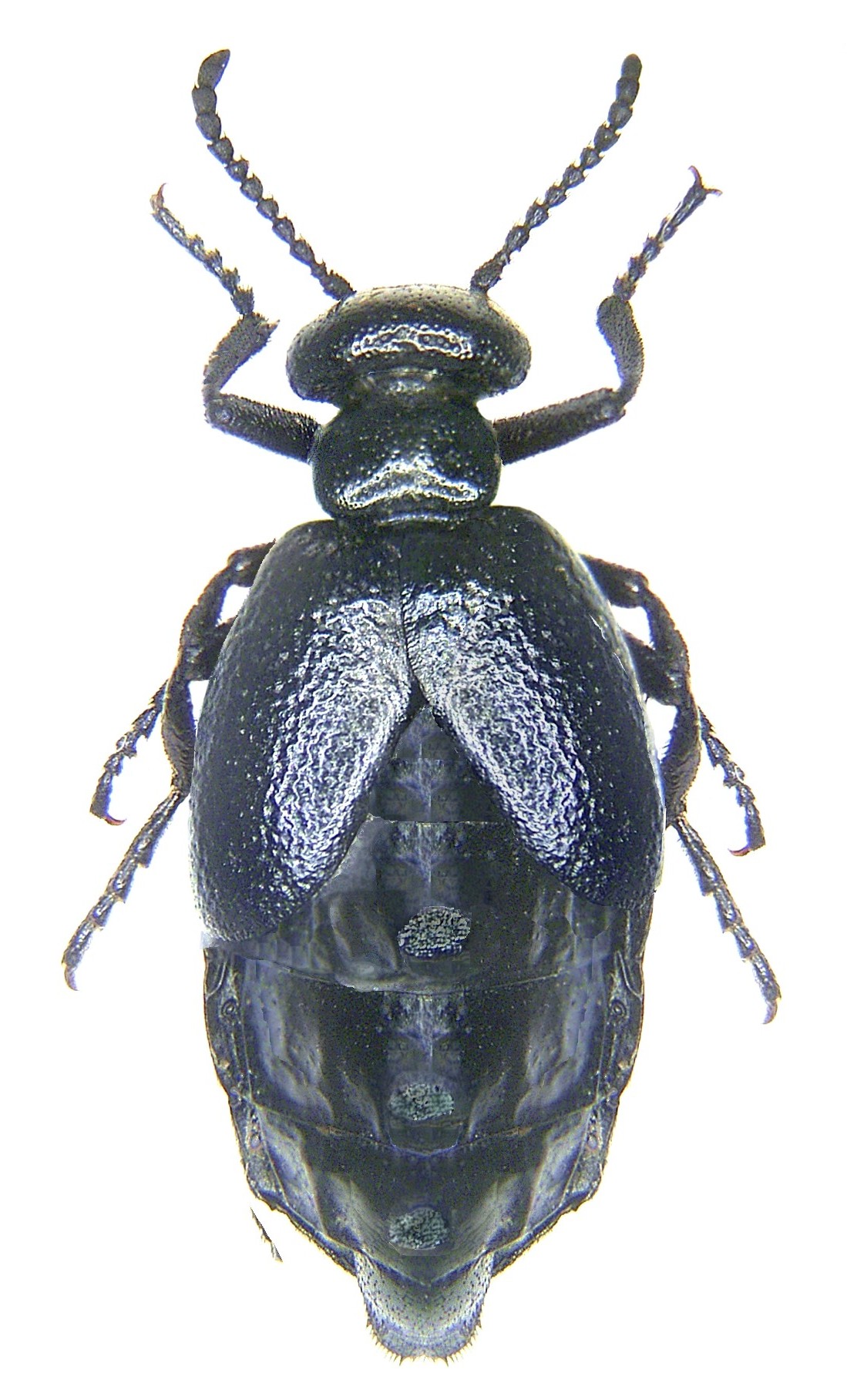
The “short-necked” part is simpler. It comes from the adult’s stubby, compact shape. Adults are typically active from about March to June, on warm, sunny days in flower-rich coastal grassland and sand dunes.
Lost, found, and found again
This little beetle has already pulled off a few disappearing acts. It declined badly across Britain during the 20th century as its habitat vanished. According to the conservation charity Buglife, it went completely unrecorded anywhere in the UK from 1948 until it was rediscovered in south Devon in April 2006.
More finds followed. The BBC notes it turned up on the Isle of Coll in Scotland in 2009, and populations have since been found on Tiree, Islay, Barra, and Uist.
Wales had its own surprise. Buglife announced in 2020 that the beetle had been rediscovered in Pembrokeshire by Annie Haycock, after not being seen in Wales since 1944. Since then, Castlemartin has been the only known home for the species in Wales, which is exactly why every survey there matters so much.
Saving one species by saving a whole neighborhood
The beetle isn’t being looked after on its own. Castlemartin is monitored as part of the Bumblebee Conservation Trust’s Shrill Carder Bee project, which is funded by The National Lottery Heritage Fund and is part of Natur am Byth, Wales’ flagship species recovery programme.
That project protects the shrill carder bee, one of the UK’s rarest bumblebees, along with other species that need the same kind of habitat. Besides the short-necked oil beetle, NRW names Goldilocks aster and pale dog violet. It’s a smart approach. The beetle needs bare earth for its eggs, thick vegetation for shelter, plenty of flowers, and a healthy population of solitary bees. Look after that kind of landscape, and a lot of other wildlife benefits too.
As Hobbs put it, the work “needs to consider the needs of several species to be effective.”
Why a tiny beetle is worth cheering for
It’s easy to overlook a beetle that spends its childhood riding bees and eating their pollen. But the short-necked oil beetle is a bit like a health check for the whole coastline. If it’s breeding, it means the flowers are blooming, the solitary bees are nesting, and the ground is being managed in a way that gives fragile species room to live.
It also shows that patience pays off. Two years of finding only dead beetles could easily have been the end of the story. Instead, surveyors and volunteers kept looking, and this year they found the next generation waiting on the flowers.
The beetle is classed as nationally rare in Great Britain and listed as vulnerable on the IUCN Red List, so it’s far from safe. But on a windswept stretch of the Pembrokeshire coast, the tiny hitchhikers are still out there, waiting for their bee.
Want to help? Natur am Byth runs surveys and volunteering events throughout the year. You can find out more through the Natur am Byth programme or by emailing [email protected].
Sources
- Natural Resources Wales: Patience pays off for rare species in Pembrokeshire (Oct 28, 2026)
- BBC News: ‘Fascinating’ rare beetle found in Wales again after three year search
- The Guardian: Rare beetle that oozes substance from its knees when attacked rediscovered in Wales (Nov 1, 2026)
- Buglife: Rare beetle found in Wales (2020)
Image credits
- Short-necked oil beetle on leaves: Petyakoleva505, CC BY-SA 4.0
- Pen-y-holt heathland: David Medcalf, CC BY-SA 2.0
- Oil beetle larva on a solitary bee: Janet Graham, CC BY 2.0
- Short-necked oil beetle, top view: U. Schmidt, CC BY-SA 3.0
- Shrill carder bee: Flocci Nivis, CC BY 4.0