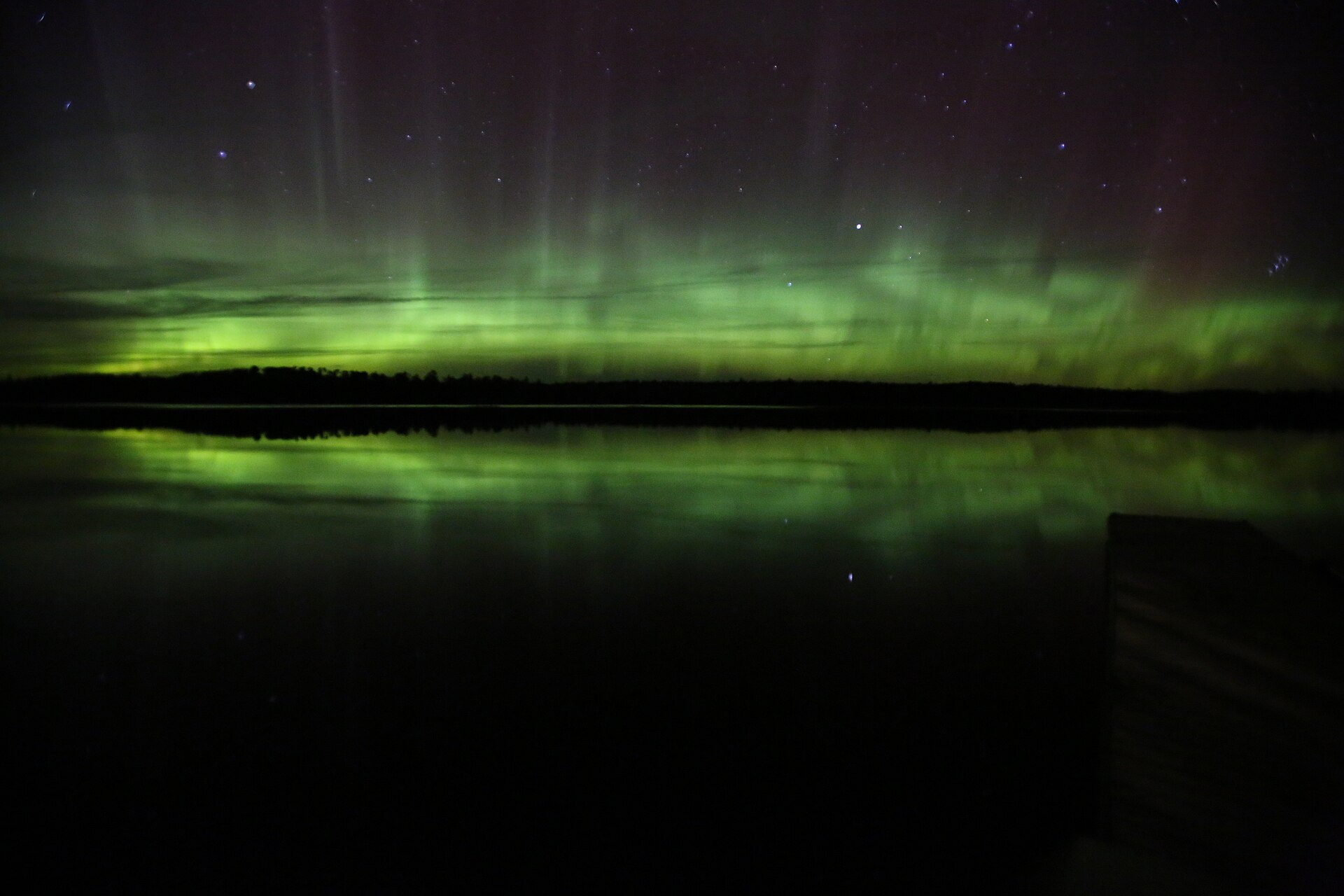
Somewhere in far northern Minnesota, right on the Canadian border, there’s a place where the night still looks the way it did centuries ago: a sky so packed with stars you can trace the Milky Way from one horizon to the other, and on lucky nights, green ribbons of the northern lights ripple overhead.
That place is Voyageurs National Park, and on November 10, 2026, it got some well-deserved applause. DarkSky International named Voyageurs National Park and its nonprofit partner, Voyageurs Conservancy, the 2026 International Dark Sky Place of the Year, according to a National Park Service news release.
It’s not an award for simply being dark. It’s an award for people (park staff, volunteers, small towns and partners on both sides of the border) working together to keep it that way, and to share it with everyone else.
What the Award Actually Means
DarkSky International is a global nonprofit that works to protect the natural night from light pollution. Every year, its DarkSky Awards honor scientists, lighting designers, advocates and places that are making a real difference. The Dark Sky Place of the Year award goes to one of the certified dark-sky places around the world that stands out for its work.
Voyageurs already had a head start. The park was certified as an International Dark Sky Park in 2020. But certification is just the beginning. What got the park noticed this year was everything that came after.
According to the NPS, the park was chosen because of the strong partnership between the National Park Service and Voyageurs Conservancy, plus a whole coalition of regional groups, all working to:
- Run night-sky programs for thousands of visitors every year
- Expand education, including virtual lessons that bring the night sky to students anywhere
- Help nearby communities cut down on light pollution
“Park employees and guests have long known that Voyageurs’ night skies are stunning, and we are pleased to see the hard work of our staff, local community members, and the Voyageurs Conservancy recognized,” said Voyageurs National Park Superintendent Jennifer Onufer in the release. “Protecting dark skies doesn’t stop at the park boundary.”
A National Park You Explore by Boat
If you’ve never heard of Voyageurs, you’re not alone. It’s Minnesota’s only national park, and it’s a bit unusual. According to the National Park Service, the park was established in 1975 and spans about 218,000 acres of lakes, forests and streams.
Roughly 84,000 of those acres are water. The park has four big lakes (Rainy, Kabetogama, Namakan and Sand Point), 26 smaller interior lakes, more than 500 islands and 655 miles of undeveloped shoreline, per the park’s navigation guide. Most visitors leave the car behind and get around by canoe, kayak, motorboat or houseboat.
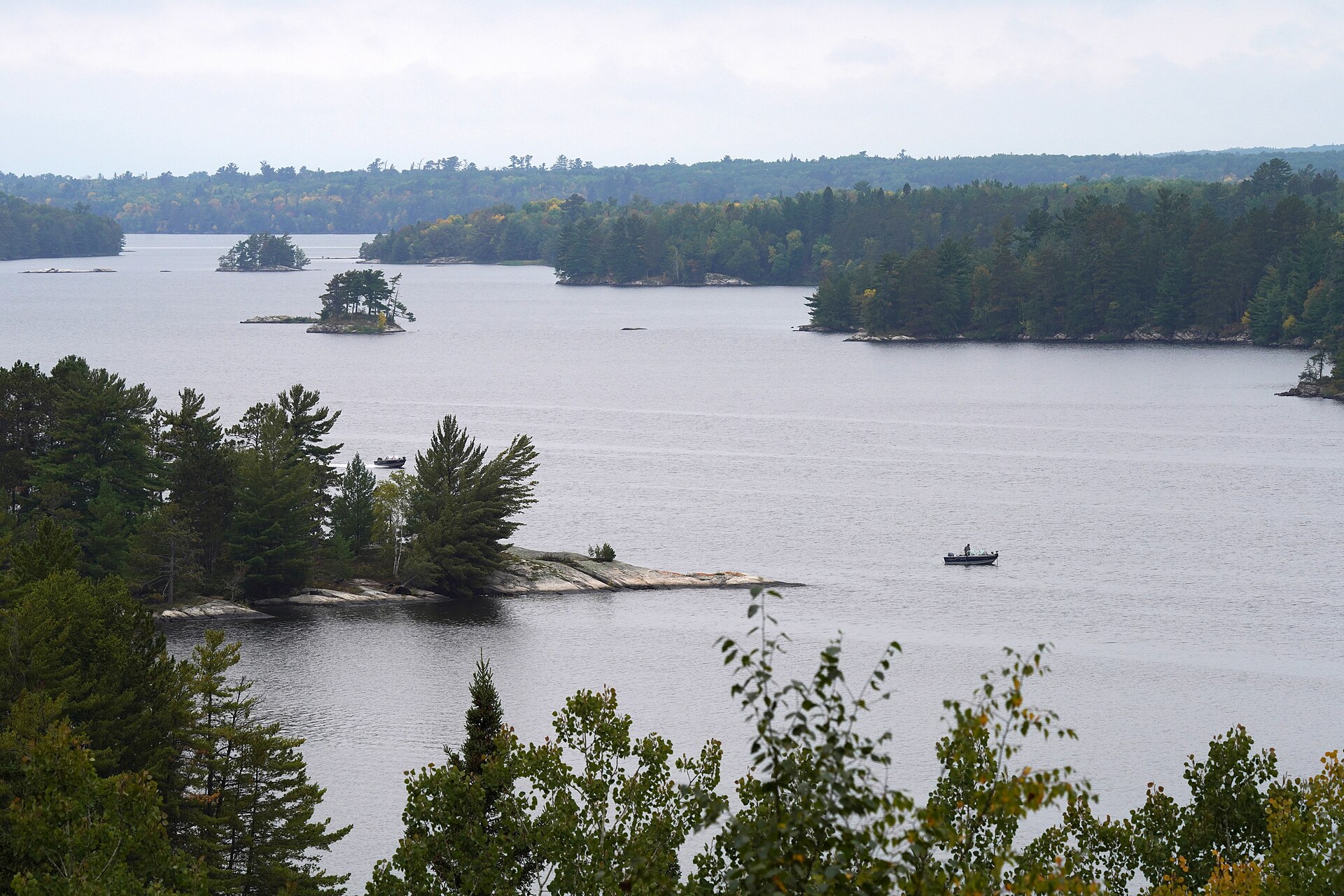
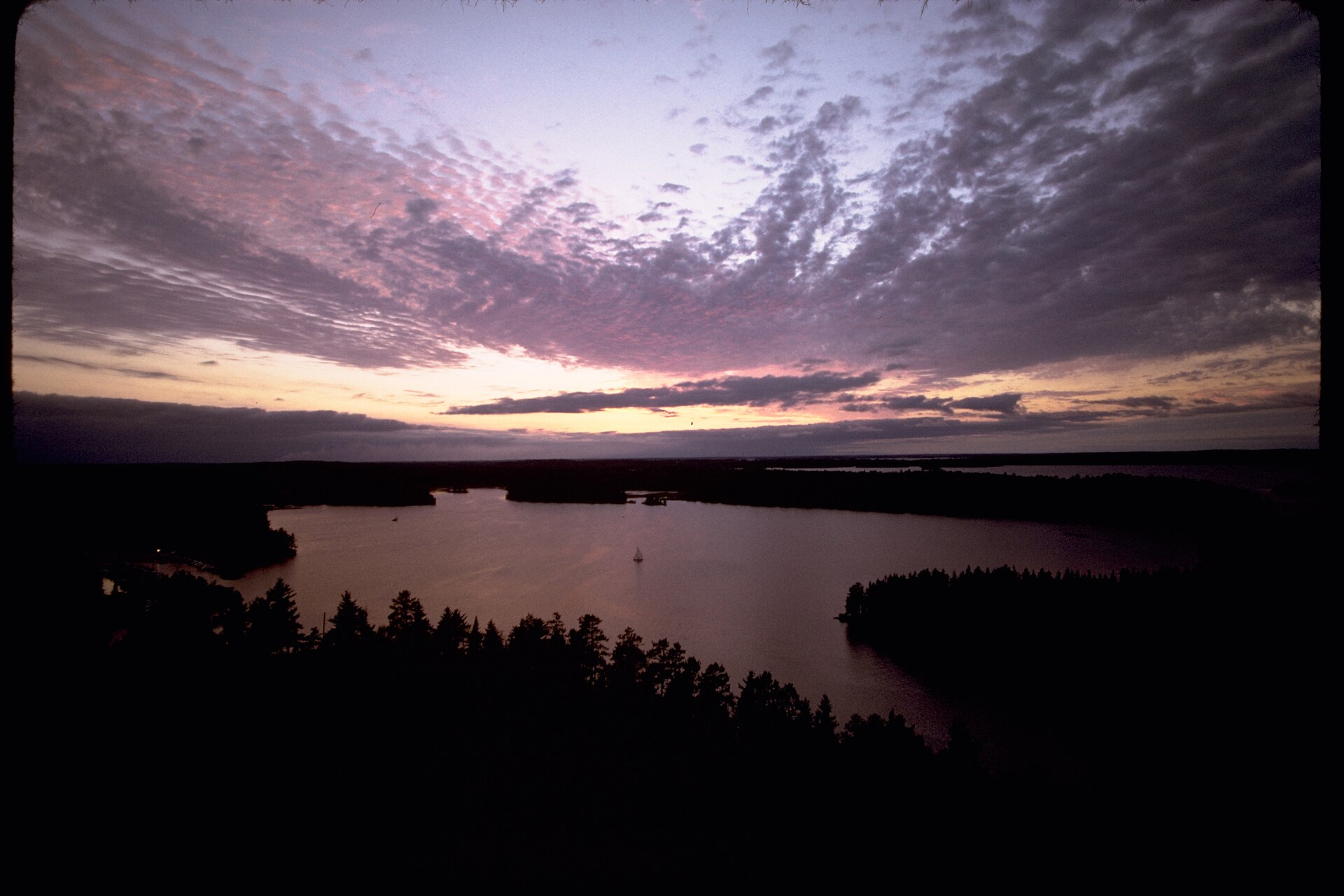
That watery, remote landscape is a big part of why the nights are so dark. There are no big cities nearby, and the closest town of any size is International Falls. When the sun goes down over the lakes, there isn’t much glow on the horizon to wash out the stars.
The park is named after the voyageurs, the French-Canadian fur traders and canoe travelers who paddled these waterways for more than 200 years. The Anishinaabe people have lived on and cared for this land for far longer. The NPS release points out a lovely side effect of protecting the dark: you get to see the sky much as they did, hundreds of years ago.
Stargazing for Everyone: Star Parties and Winter Astronomy
One of the coolest things about Voyageurs’ dark-sky work is how much of it is about sharing. Since the 2020 certification, the park and the Conservancy have kept growing their year-round night-sky programs, according to the NPS. They include:
- Constellation tours led in person
- Telescope viewings, so you can see planets and deep-sky objects up close
- Virtual presentations and a Virtual Dark Sky Classroom for students who can’t make the trip
- An annual Star Party every August
- Boreal Stargazing Week every February
Boreal Stargazing Week shows just how much teamwork this takes. The NPS says it brings together the Voyageurs Conservancy, the Bell Museum, Superior National Forest, Friends of the Boundary Waters Canoe Area, Starry Skies North, Expeditions in Education, Polar Polers and more, for daytime and nighttime astronomy events across Minnesota, both online and in person.
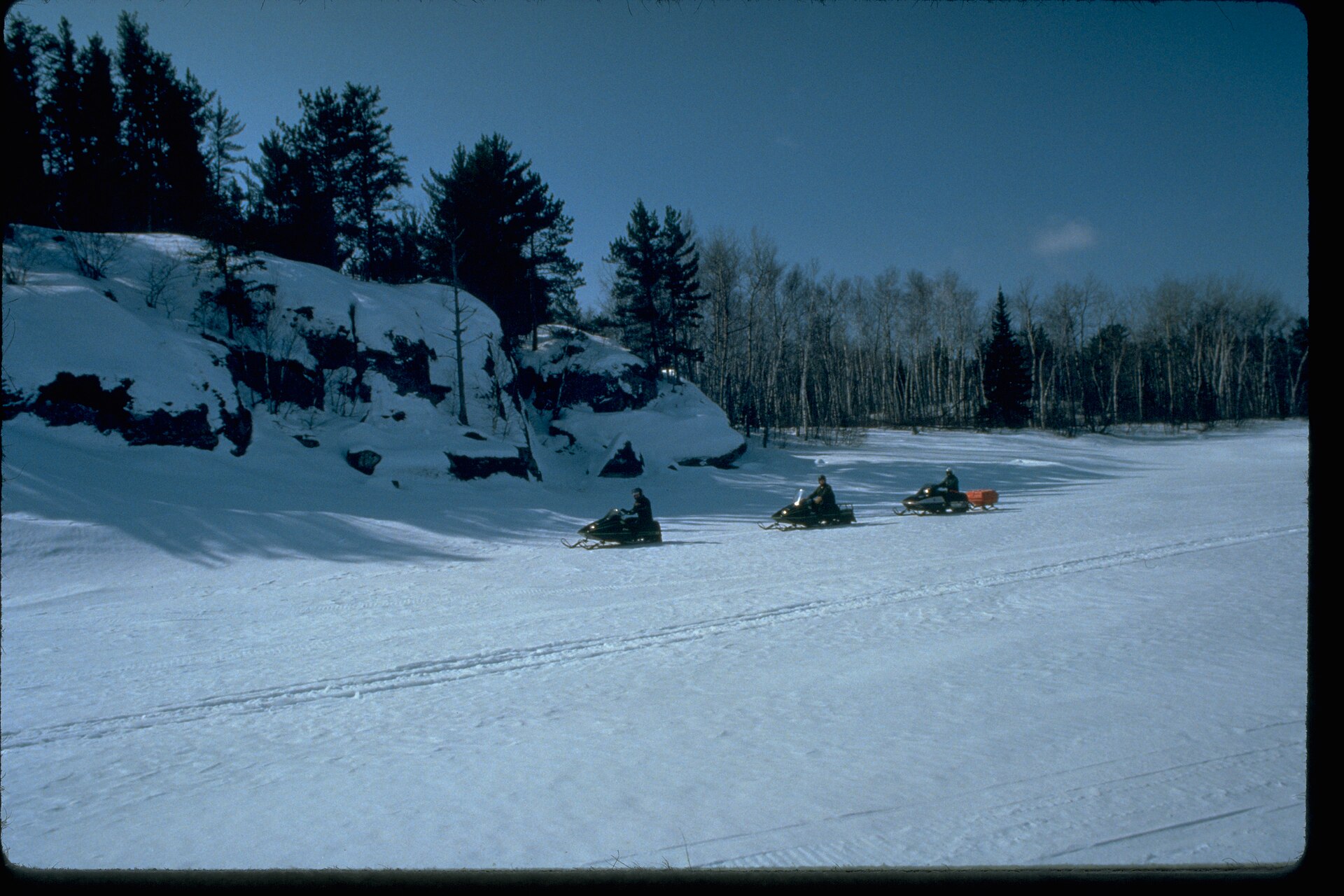
Yes, that’s stargazing in a northern Minnesota February. It’s cold. But winter nights up there are long, the air is often crisp and clear, and frozen lakes open up wide, flat views of the whole sky.
Small Towns Doing Their Part
Here’s the part that makes this a feel-good story and not just a pretty-sky story: the dark doesn’t stop at the park boundary, and neither does the effort.
The NPS credits businesses, community groups, local advocates and volunteers in Fort Frances, Ontario, and in the Minnesota communities of International Falls, Kabetogama, Orr, Ash River and Crane Lake with helping protect the region’s natural darkness. That’s an international, small-town team effort to keep the stars visible.
It matters because light pollution keeps increasing worldwide. The NPS notes that artificial light at night can disrupt wildlife behavior, affect ecosystems and interfere with natural cycles, on top of hiding the stars from the rest of us.
Simple Ways Anyone Can Help Protect the Night
You don’t have to live next to a national park to help. The same simple steps the NPS recommends for communities near Voyageurs work anywhere:
- Turn off outdoor lights you don’t need. Motion sensors and timers help a lot.
- Use shielded fixtures that point light down, where you need it, instead of up into the sky.
- Choose lighting that’s easier on the night, meaning dimmer and warmer-colored where possible.
Do that on one street, and the stars get a little brighter. Do it across a whole region, like the communities around Voyageurs, and you get what the Voyageurs Conservancy calls some of the darkest night skies in the country.
Planning a Night Under Minnesota’s Stars
If this has you dreaming of a trip, the Voyageurs Conservancy’s dark-sky page and the official park website are the places to check for Star Party dates, Boreal Stargazing Week events and visitor info. Summer brings the August Star Party and paddling under the stars, and winter brings long nights and a real shot at the aurora.
Either way, you’ll be looking up at the same sky the voyageurs saw from their canoes. That’s something worth protecting, and in Voyageurs, a lot of people are doing exactly that.
Sources
- National Park Service: Voyageurs National Park Named International Dark Sky Place of the Year (November 10, 2026)
- DarkSky International: 2026 DarkSky Award winners
- National Park Service: Voyageurs National Park and Lake Navigation
Image Credits
- Northern lights over Voyageurs: NPS via NPGallery / Wikimedia Commons, public domain
- Kabetogama Lake: Courtney Celley/USFWS via Wikimedia Commons, public domain
- Dusk over the lake: National Park Service Digital Image Archives via Wikimedia Commons, public domain
- Winter on a frozen lake: National Park Service Digital Image Archives via Wikimedia Commons, public domain