In a deep, water-filled crack in the desert — a place so small you could almost miss it on a map — one of the rarest fish on Earth just got a little less rare.
On October 10, 2026, biologists counted 137 endangered Devils Hole pupfish in their only natural home. That is nearly double the 77 fish counted in spring 2026, and more than double the 69 recorded in fall 2025, according to a National Park Service news release from Death Valley National Park.
For a species that once dipped into the low dozens, 137 is the kind of number that makes scientists smile carefully — and keep watching.
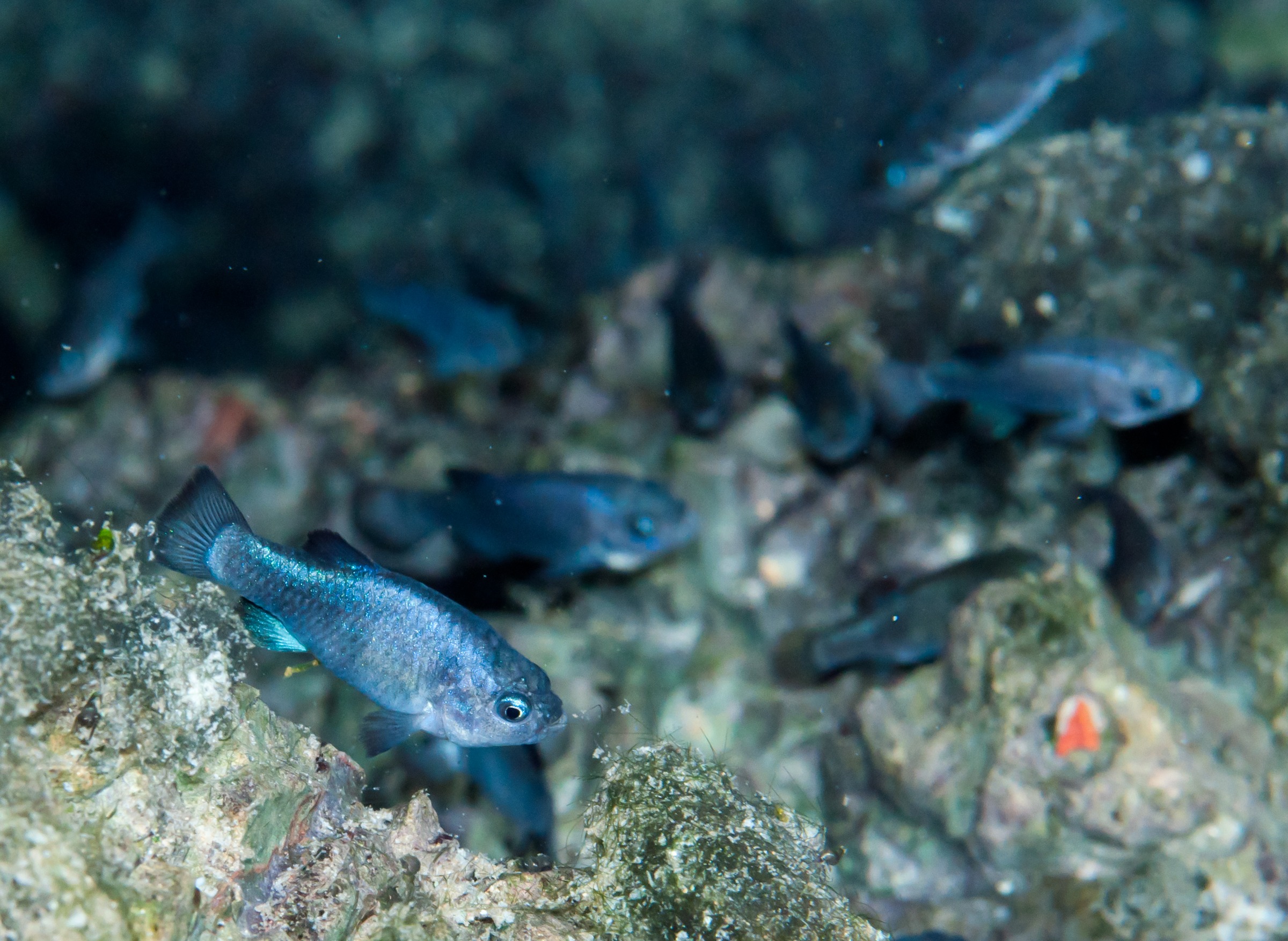
A fish that lives in one hole in the desert
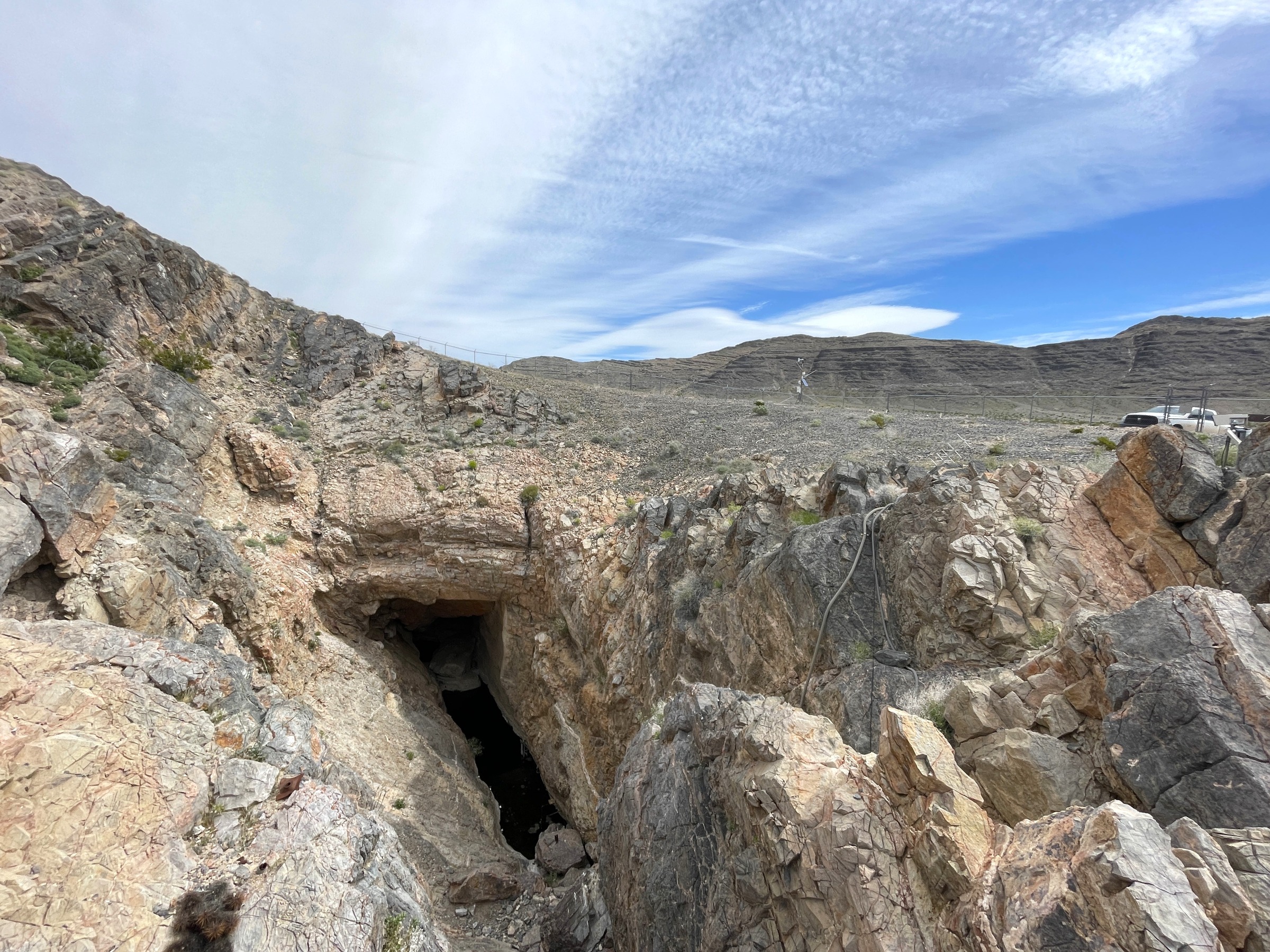
The Devils Hole pupfish (Cyprinodon diabolis) is famous for how little room it has. The entire wild population lives in Devils Hole: a deep, geothermal, water-filled cavern inside Death Valley National Park, near the Ash Meadows area of Nevada.
The cavern itself plunges hundreds of feet. The fish, though, depend on a shallow limestone shelf near the surface — a sunlit ledge where algae grow and where the pupfish feed and spawn. Their whole world is basically a submerged porch at the edge of an underground lake.
That makes them extraordinary. It also makes them fragile. When something goes wrong on that shelf — a food crash, a sudden wave, a long stretch of bad luck — there is nowhere else for them to go.
How you count the rarest fish
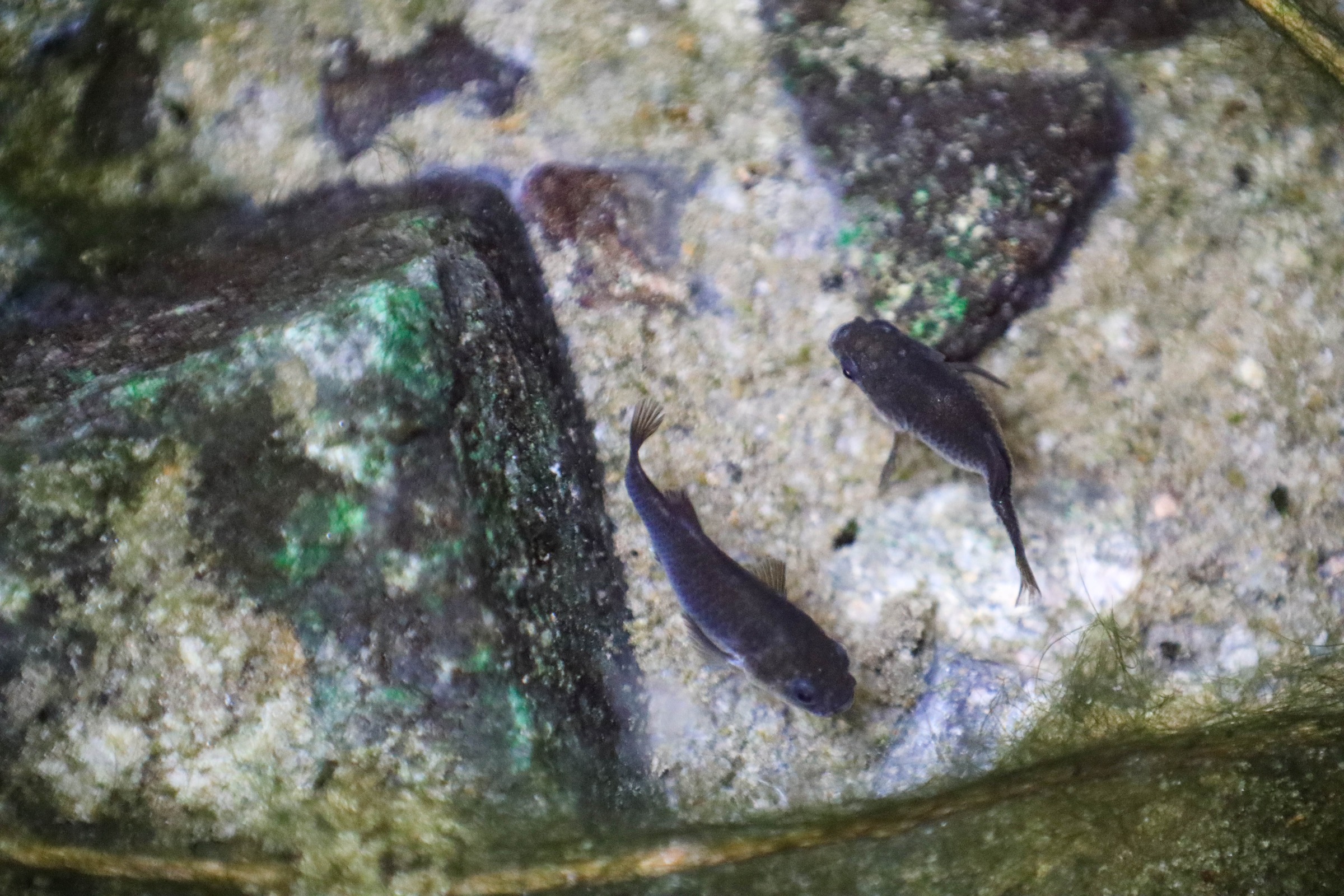
Twice a year, scuba divers and surface counters from the National Park Service and the U.S. Fish and Wildlife Service slip into that dark water and count every fish they can find. They have used these methods since 1972, which means the October survey sits on more than half a century of careful watching.
In fall 2026, that teamwork paid off in the best way: 137 fish, swimming in the depths and along the shallow shelf.
“It’s exciting to see Devils Hole pupfish numbers increase so significantly over the past year,” said Death Valley National Park Superintendent Mike Reynolds in the NPS announcement. “These results reflect the dedication of our scientists and conservation partners working to protect this extraordinary species. While challenges remain, we’re encouraged by this progress and committed to its long-term survival.”
Earthquakes, algae, and a very short life
Cheer carefully, though. The population remains highly vulnerable to disturbances — especially earthquakes.
A quake can send waves racing through Devils Hole, scraping algae and other food off the limestone shelf. Two earthquakes in 2025 disrupted the habitat and helped drive numbers down. Even distant shaking can matter: after an October 9, 2026, earthquake in Panama — nearly 3,000 miles away — biologists first saw signs of stress in the fish, then found them looking healthier on a later visit.
The pupfish’s life history adds another layer of drama. Their average lifespan is just 10 to 14 months. That means most of the 137 fish counted in October likely hatched and grew up inside Devils Hole itself. The rebound is not just “old fish hanging on.” It is a new generation succeeding in the wild.
A helping hand while the shelf recovered
Scientists did not leave recovery entirely to chance.
Between March 2025 and February 2026, teams released 72 captive-raised pupfish into Devils Hole. Conservation crews also provided supplemental feeding while algae on the shelf recovered, guided by data from the U.S. Fish and Wildlife Service’s Ash Meadows Fish Conservation Facility and the National Park Service’s ongoing monitoring.
Think of it as a bridge: enough food and enough young fish to carry the population through a rough stretch, then a chance for the wild system to take over again. Given how short these fish live, the fact that biologists believe most of today’s count were born in Devils Hole is especially good news. The habitat is producing fish again.
Why this tiny blue fish matters
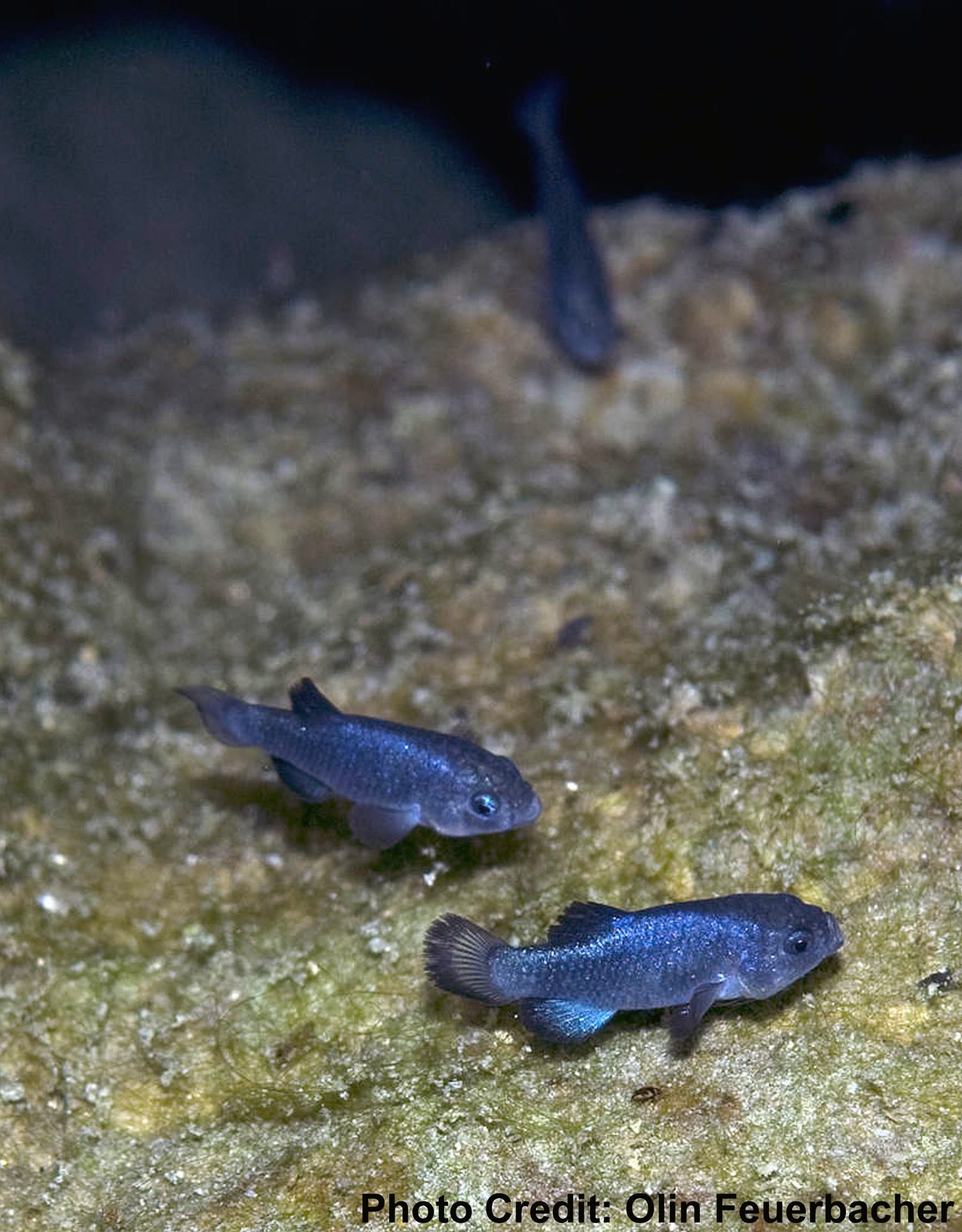
It is easy to root for wolves or condors. Rooting for a finger-length blue fish that lives in one hole in the Mojave takes a little more imagination — and that is part of the charm.
The Devils Hole pupfish is a reminder that “home” can be incredibly specific. One cavern. One shelf. One thin layer of algae. Protect that, and you protect a species that exists nowhere else on Earth.
Populations of Devils Hole pupfish have always swung up and down. The latest count does not mean the story is finished. Monitoring, research, and careful habitat management still matter. Earthquakes will keep coming. Algae will keep needing time to grow back.
But for now, the water holds more iridescent blue swimmers than it did a year ago. Divers counted them one by one. Partners fed them when the shelf was bare. Captive-raised fish helped bridge the gap. And most of the 137 fish out there today grew up right where they belong.
That is a comeback worth cheering — quietly, carefully, and with both eyes still on the water.
Sources
Image credits
- Blue Devils Hole pupfish on limestone shelf: Olin Feuerbacher / National Park Service, Wikimedia Commons (Public Domain)
- Devils Hole cavern opening: Joanna Gilkeson / USFWS, Wikimedia Commons (Public Domain)
- Devils Hole pupfish close-up: Olin Feuerbacher, USFWS, Wikimedia Commons (Public Domain)
- Two pupfish over gravel: Joanna Gilkeson / USFWS, Wikimedia Commons (Public Domain)