During the 2017–18 spawning season, biologists walking the little creeks around Washington’s Lake Sammamish counted just 19 adult kokanee salmon coming home to spawn. Nineteen fish, for a population that once numbered in the tens of thousands.
This November, biologists estimate more than 2,500 have already returned, and the count is still going up. It’s the third healthy run in a row, and King County says that hasn’t happened in 20 years. Earlier this month, crews finished clearing the last of 13 man-made barriers that had blocked the fish from their old spawning streams.
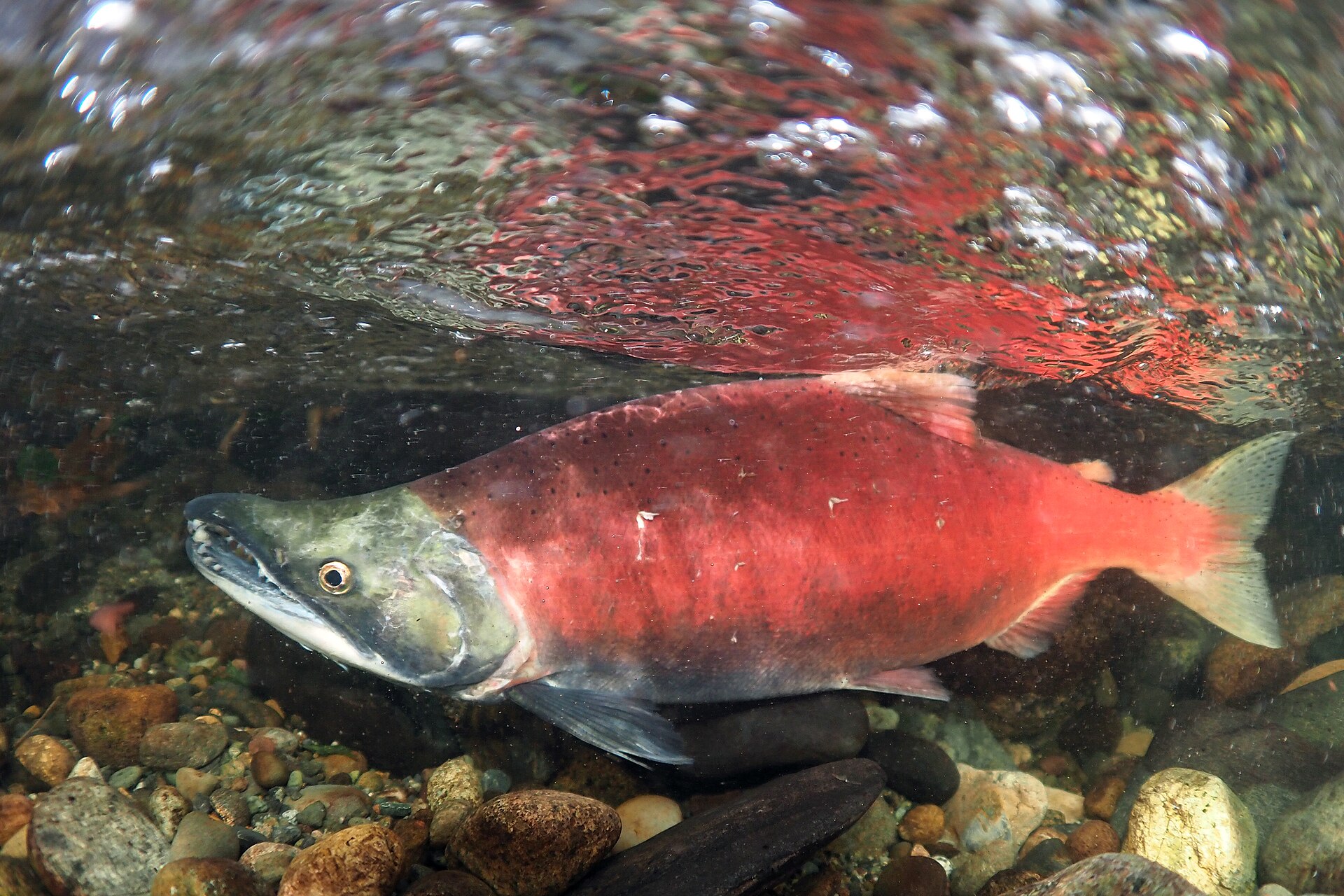
Meet the “little red fish”
Kokanee are a freshwater form of sockeye salmon. Most salmon head out to the ocean, but kokanee never do. According to King County, Lake Sammamish kokanee hatch in small streams, drift down to the lake as inch-long fry, and spend about three to four years growing there. Then, in late fall and early winter, they swim back up the same creeks where they were born to spawn.
At spawning time they turn a deep, glowing red, which is why locals call them the “little red fish.” The Lake Sammamish population is genetically unique. It spends its whole life in fresh water, just east of Seattle, between the cities of Bellevue, Issaquah, Redmond and Sammamish.
Kokanee used to be common across the Lake Washington and Lake Sammamish watershed. Today their only confirmed range is Lake Sammamish and a few of the streams that feed it. Researchers think some native kokanee may still survive in Lake Washington and the Sammamish River, but that work is ongoing.
How close they came to disappearing
King County says the number of returning spawners has fallen below 150 fish eight times since 2007–08. The low point came with the 2017–18 run, when only 19 adults made it back. There was no single cause. The county lists several pressures working together:
- Altered stormwater flows from development
- Past hatchery practices
- Predators and fishing
- Culverts and other barriers blocking streams
- Lake temperatures and low oxygen levels
A partnership called the Lake Sammamish Kokanee Work Group had been trying to help the fish since 2007. After the 19-fish count, it moved into emergency mode in May 2018, with the King County Department of Natural Resources and Parks coordinating both short-term rescue work and long-range plans.
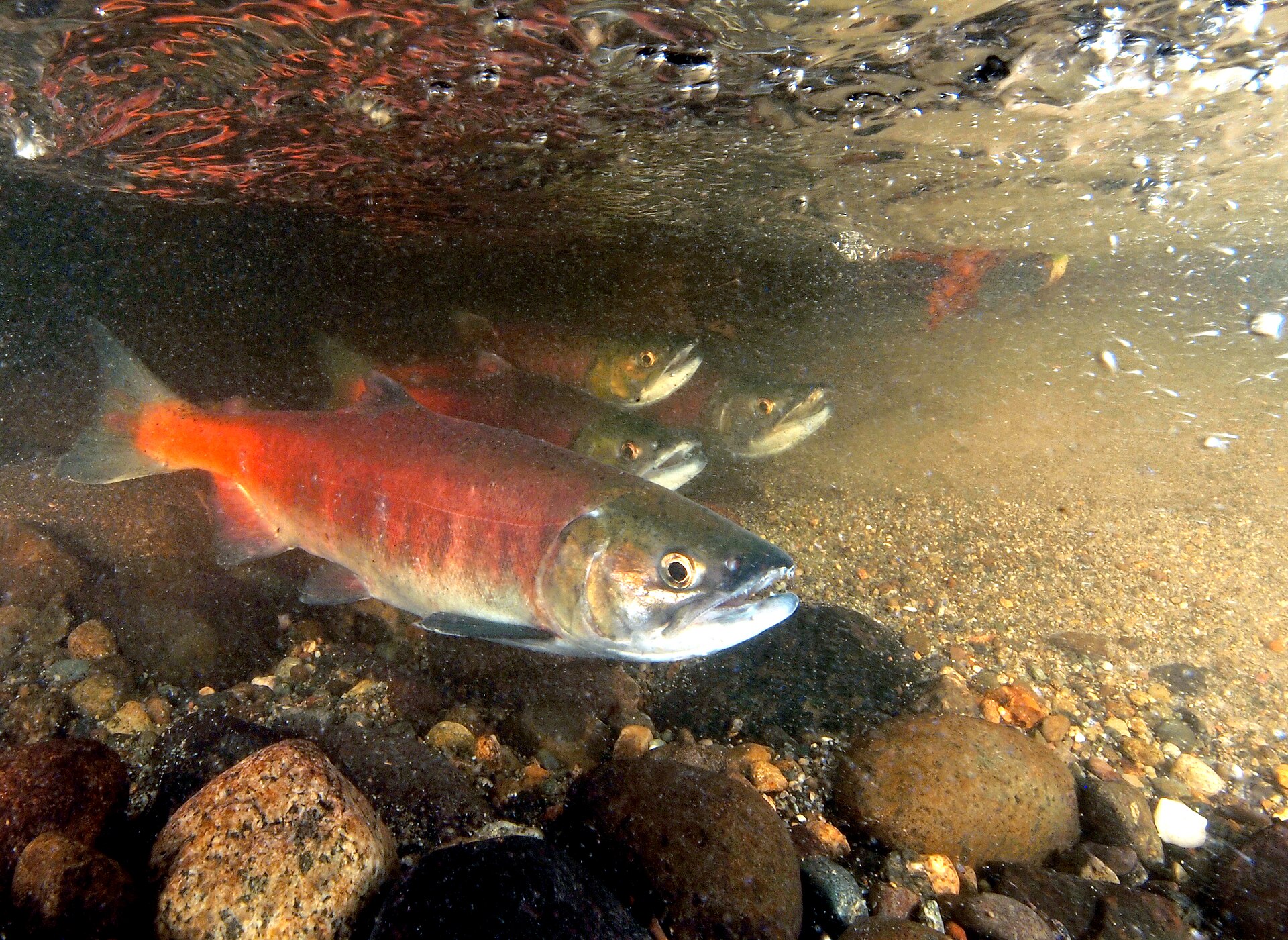
A head start for the babies
One of the most successful steps has been giving young kokanee a better start in life. Under a hatchery supplementation program, partners raise baby kokanee in a controlled setting. Then they release them into the lake in the fall, when the fish are bigger, the water is cooler, and there’s more oxygen.
Recovery partners believe this timing helps more young fish survive one of the riskiest stages of their lives. The Washington Department of Fish and Wildlife credits the “small but important” kokanee program at Issaquah Salmon Hatchery for part of the boost.
Opening the doors: 13 barriers, now all gone
The other big piece is plumbing. Many old culverts, the pipes that carry streams under roads and trails, were built to move water, not fish. If a pipe is too narrow, too steep, or sits too high above the streambed, a kokanee simply can’t get through. Good spawning habitat upstream might as well not exist.
Over the past eight years, King County has completed 13 fish-passage projects along Lake Sammamish. The last one was announced on November 13, 2026. On George Davis Creek, new box culverts now run under King County Parks’ East Lake Sammamish Trail, next to a new culvert the City of Sammamish installed under East Lake Sammamish Parkway.
Together they open 4,300 feet of restored upstream habitat, more than three-quarters of a mile. The county says it’s the first time in a century that fish can reach it.
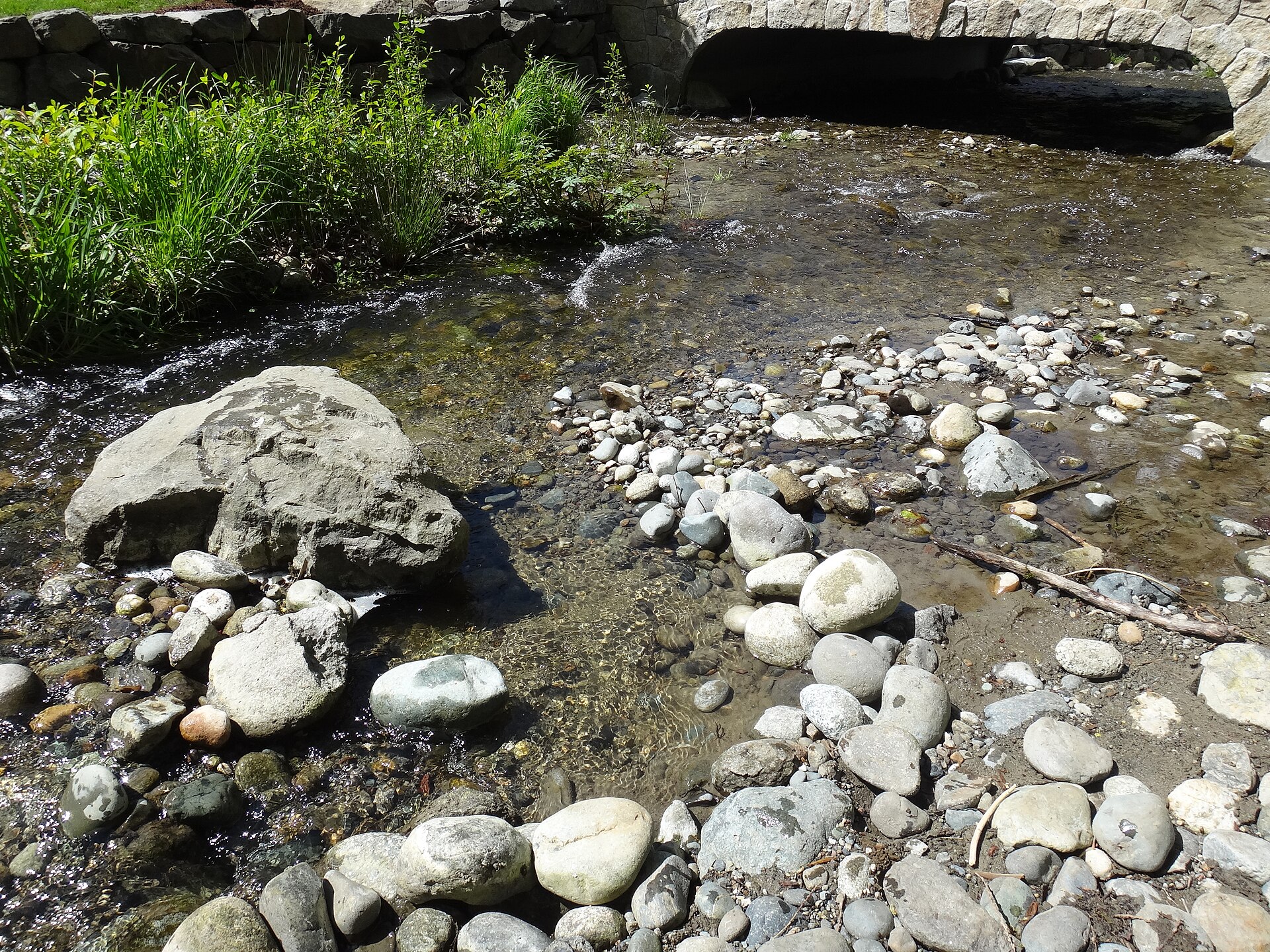
To mark the milestone, volunteers from the Snoqualmie Indian Tribe, the City of Sammamish and King County planted native trees and shrubs along the redesigned creek. As they grow, they’ll shade the water and help keep it cool, which salmon need. When the rebuilt stretch of trail opens by the end of the year, it will include a creek overlook where visitors can see the restored habitat.
Three good years in a row
The fish seem to be responding. Biologists believe the reopened habitat helped fuel the 2024–25 run, when more than 8,300 adult kokanee returned from the lake to spawn.
Then came this season. On November 24, the Kokanee Work Group estimated that more than 2,500 kokanee had already returned, with daily counts still rising in each of the major spawning creeks. That makes three straight years with more than 1,000 returning kokanee, the first time that has happened in 20 years. County spokesperson Doug Williams told Axios the number could keep climbing into December.
Timing matters too. Kokanee usually spend about three years in the lake before they come back, so a strong run now could mean more strong runs later. The county says this suggests the big 2024–25 return “wasn’t an outlier but was instead the start of an upward trend.”
This year’s better-than-expected kokanee return is an encouraging sign that the shared work of the Kokanee Work Group… is paying dividends.
David Kyle, Central Puget Sound Director, Trout Unlimited
Still fragile, still hopeful
Nobody is calling the job done. Scientists are careful to point out that a few good seasons don’t make a fully recovered population.
While the recent signs are promising, the future of this kokanee population is still fragile and work remains to keep the momentum.
Joseph Short, area fish biologist, Washington Department of Fish and Wildlife
The next steps are already planned. In early 2027, Trout Unlimited will put fertilized kokanee eggs, collected from spawning adults in other lake streams, into an incubator inside George Davis Creek. The baby fish will imprint on the creek’s own chemical “scent.” That makes them much more likely to return there to spawn after their years in the lake. Partners are also studying ways to control non-native predatory fish and looking into problems caused by aquatic weeds.
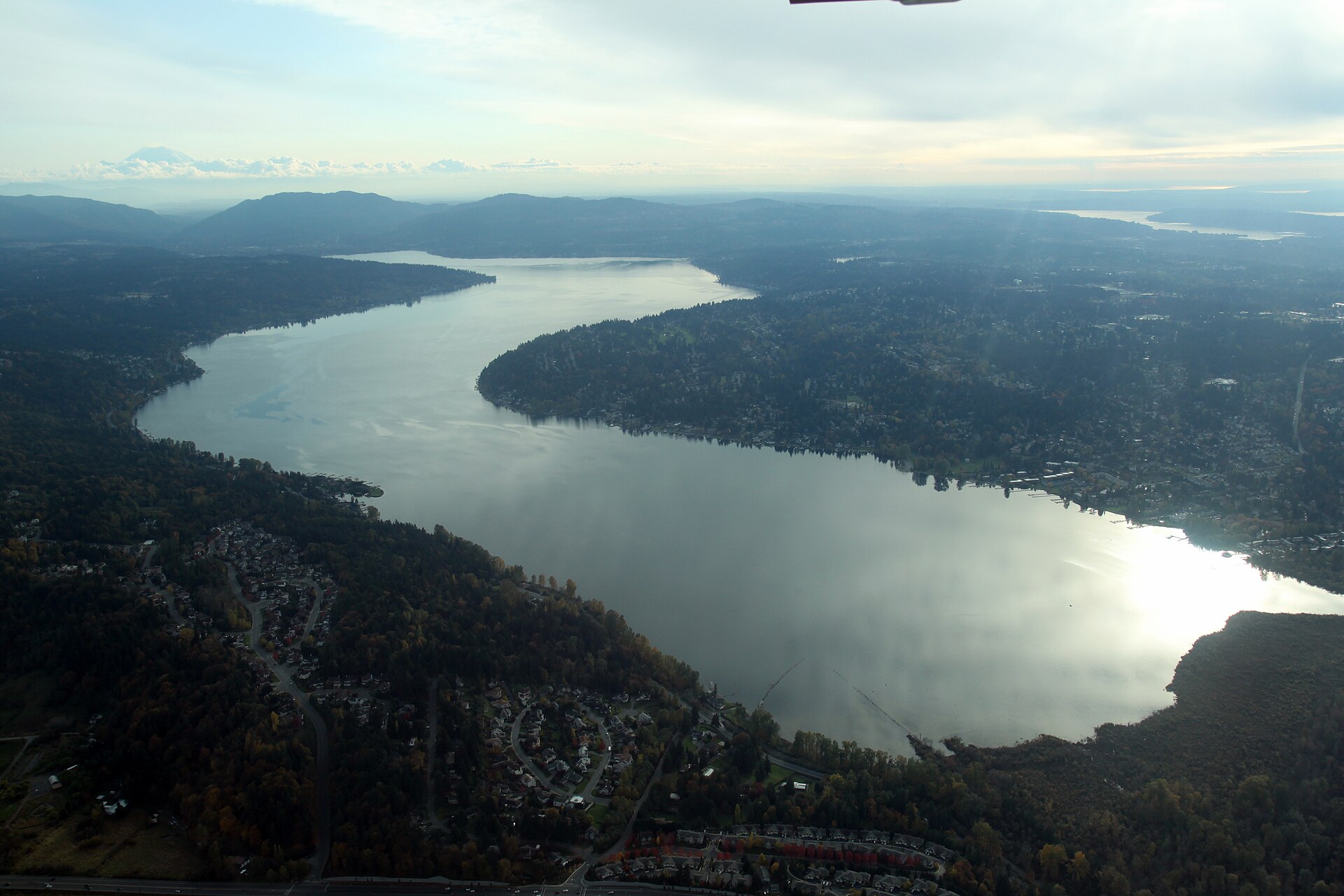
It took a village (and a lot of creeks)
What stands out about this comeback is how many people took part. The Kokanee Work Group includes the Snoqualmie Indian Tribe, King County, the cities of Bellevue, Issaquah, Sammamish and Redmond, the U.S. Fish and Wildlife Service, the Washington Department of Fish and Wildlife, Washington State Parks, Trout Unlimited, and a long list of community groups and lakeside residents.
None of it was flashy: replacing culverts, raising fry, planting trees, counting fish in cold creeks. But one project at a time, it has taken a fish that was down to 19 spawners and given it a real chance.
If you’re near Seattle this season, you can see them yourself. King County’s Lake Sammamish kokanee page points visitors to its Salmon SEEson guide to spawning-viewing spots. Look for flashes of red in the creeks.
Sources
- King County DNRP: Early signs indicate a third consecutive healthy spawning season for Lake Sammamish kokanee salmon (Nov. 24, 2026)
- King County DNRP: King County removes the last of its 13 barriers to upstream habitat along Lake Sammamish (Nov. 13, 2026)
- Axios Seattle: Lake Sammamish’s native salmon are making a comeback (Nov. 24, 2026)
- KOMO News: Final fish barriers removed along Lake Sammamish (Nov. 13, 2026)
- King County: Lake Sammamish kokanee (species background and season count)
Image credits
All photos via Wikimedia Commons: Roger Tabor/USFWS Pacific Region (CC BY 2.0); U.S. Department of the Interior (CC BY-SA 2.0, two photos); Jelson25 (CC BY-SA 3.0). Links to each file and license are in the captions.