Five hundred years ago, someone writing about the Scottish Highlands noted that beavers lived around Loch Ness. Then the beavers vanished, hunted out of Scotland entirely. For five centuries, the world’s most famous loch had plenty of legends but no beavers.
That changed on November 4, 2026. A family of six Eurasian beavers was released into a small lochan on the Dundreggan rewilding estate in Glenmoriston, part of the Loch Ness catchment. They are the first beavers to live in the Loch Ness area in around 500 years.
Meet the new neighbours
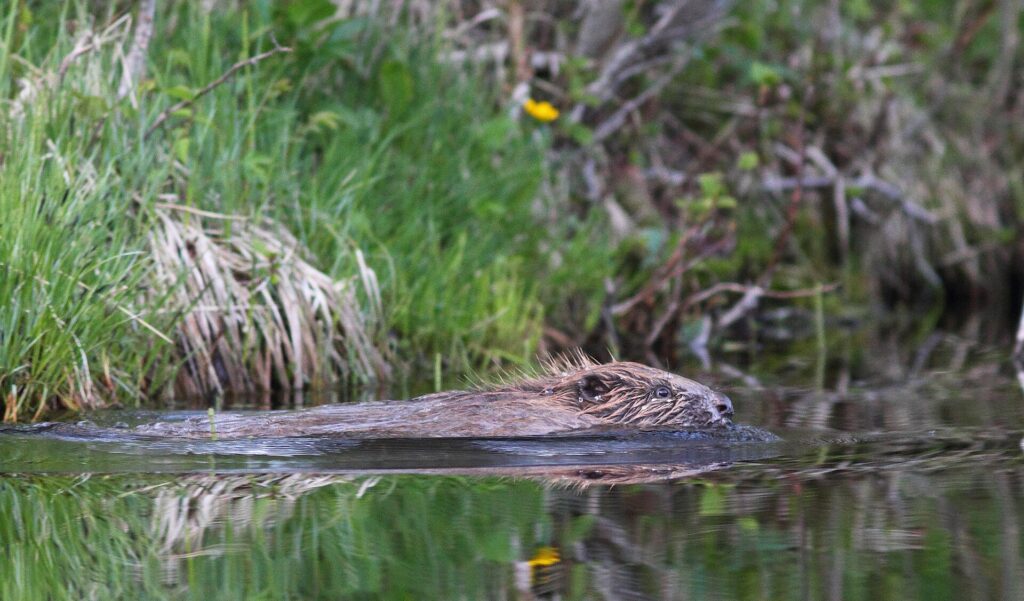
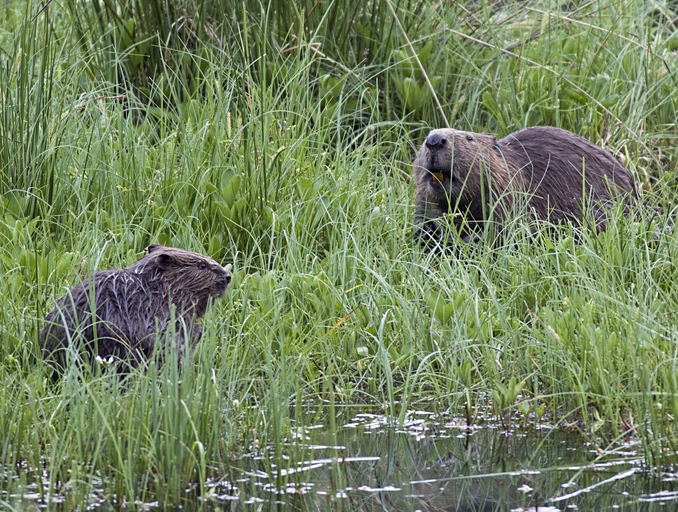
According to BBC News, the family is a mother beaver, two juveniles about two years old, and three young beavers born earlier this year. They were moved from Tayside, where beaver numbers are growing. Rewilding Europe says the move also helps ease local conflicts there, and the BBC reports the animals came from farmland where they had been damaging prime agricultural land and other fixes had not worked.
Before the trip north, the beavers had health checks at the specialist beaver holding facility at Five Sisters Zoo. Then they were let go at a lochan, a small Highland lake, on Trees for Life’s 10,000-acre Dundreggan estate.
The first signs were good. “I can see them swimming and very calm, which is a really good sign,” Steve Micklewright, chief executive of Trees for Life, told the BBC. He said the family looked “very settled” and relaxed straight away.
Why Loch Ness matters so much
The last widely cited historical record of Scotland’s beavers, from 1526 to 1527, placed them around Loch Ness, the BBC notes. In the centuries after that, the species was hunted to extinction across the country.
“Five hundred years since Loch Ness became the last recorded site of Scotland’s beavers before they were eradicated, they are back with the space and habitat to flourish,” said Alan McDonnell, head of nature restoration at Trees for Life.
The location is about more than history. In 2022, Scotland’s nature agency, NatureScot, named the River Ness catchment as one of the most suitable places in Scotland for beavers. There is plenty of room: large woodlands and hundreds of kilometres of river and loch banks where a beaver population can spread and link up over time.
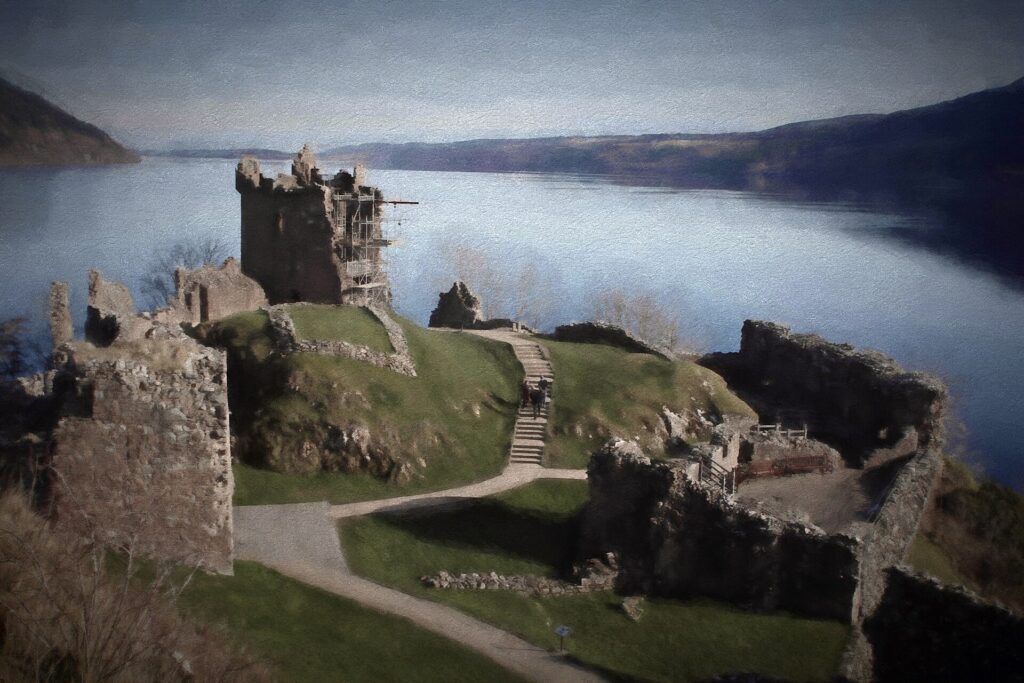
“Loch Ness is iconic in itself, but getting beavers there means they can start to do their magical work over a huge area of northern Scotland,” Micklewright told Rewilding Europe.
Just the first family of many
This release kicks off the Ness Beaver Project, led by Trees for Life and Beaver Trust with support from Forestry and Land Scotland. The plan is to bring at least 15 beaver families to lochs, lochans and rivers around Loch Ness over the next three years.
NatureScot granted the official licence on October 30, 2026, just days before the first release. The BBC reports that more than 73% of people who responded to the consultation supported the project.
The new release sites won’t be announced in advance. Trees for Life says each location will be shared only after its beavers have been safely released, so the animals can settle in without disturbance.
There’s already proof the approach can work nearby. Rewilding Europe says seven beavers were released in neighbouring Glen Affric in October 2025, and they have since bred.
What beavers actually do for a landscape
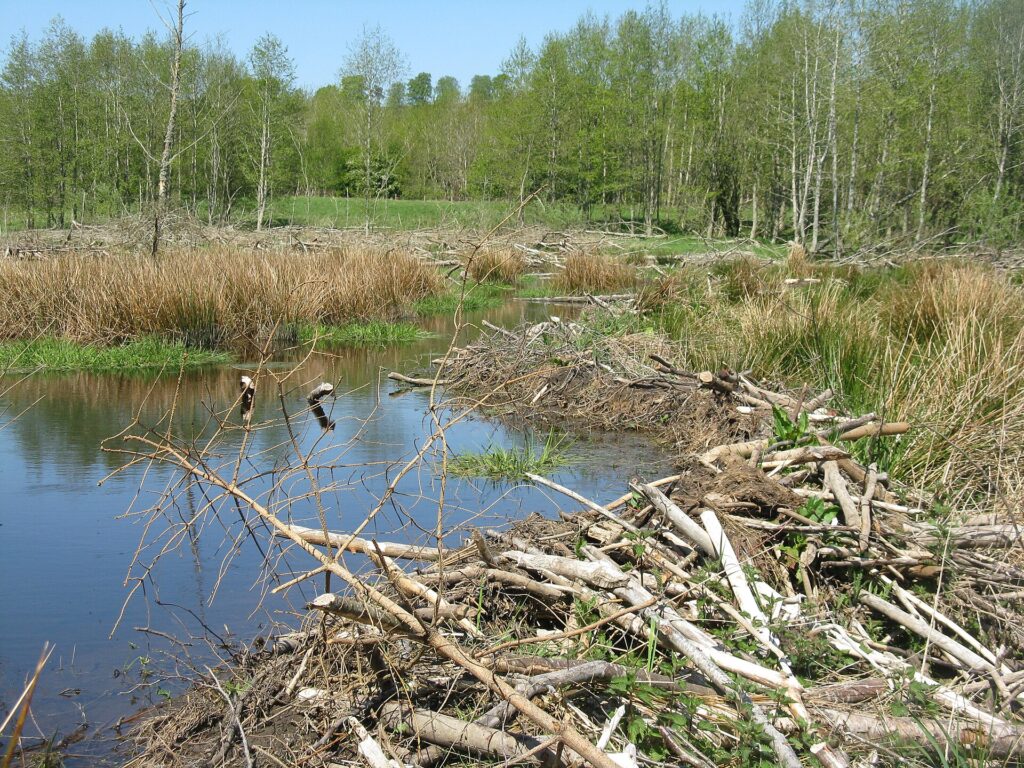
Beavers are often called “ecosystem engineers,” and the Ness Beaver Project is counting on that. By digging channels, coppicing trees and building dams, beavers create:
- Pools and wetlands that support frogs and dragonflies
- Sunny gaps in woodland where new plants can grow
- Lots of insects, which in turn feed birds and bats
On smaller streams, Trees for Life says beaver dams slow the flow of water and trap sediment, which can improve water quality. Their wetlands can also reduce flooding downstream, hold water through dry spells, and give wildlife damp places to shelter during wildfires.
“It has been profoundly rewarding to release the first beavers at Dundreggan,” said Dr Roisin Campbell-Palmer, head of restoration at Beaver Trust. “The extensive woodland and suitable habitat here offer real opportunities for the animals to thrive and bring lasting biodiversity benefits.”
Living alongside beavers
Not everyone is cheering without reservation, and the project is open about it. Brian Shaw of the Ness District Salmon Fishery Board told BBC Scotland there is “deep” concern about dams on the smaller burns that salmon and trout use. His board will be monitoring closely to make sure fish can still get through at spawning time and in spring.
Still, he struck a cooperative tone. “The key is just transparency and openness between all organisations so we all know the situation as it develops,” he said.
To make that work, Trees for Life has a locally based beaver officer, and a monitoring and mitigation group is being set up. Practical fixes such as protecting valuable trees and managing water levels behind dams are part of the plan, according to Rewilding Europe. Volunteers will also help track how the beavers settle in.
Want to see them? Soon you might
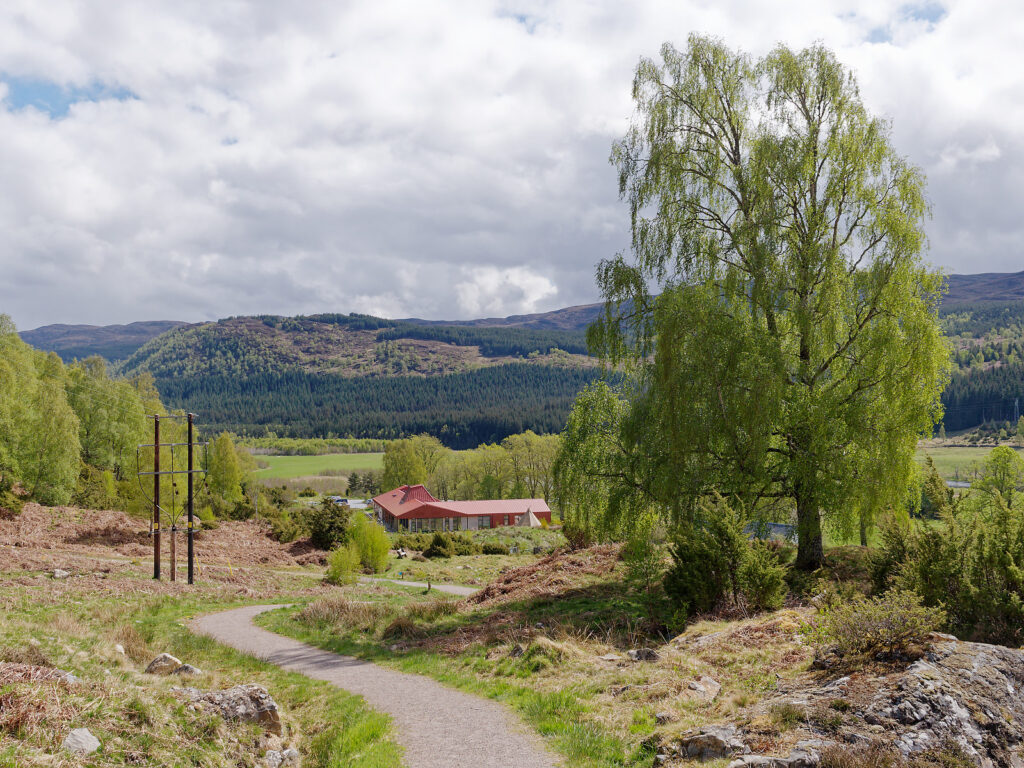
Dundreggan is home to what Trees for Life calls the world’s first Rewilding Centre. Once the beavers have settled, the charity plans to run guided tours where visitors can look for beavers, spot signs of their work like gnawed trees and dams, and learn how the animals are changing the land.
Part of a much bigger comeback
Scotland’s first official beaver reintroduction trial began in 2009, and wild populations have grown since then through releases and natural spread. Gary Curran of Five Sisters Zoo called the Loch Ness return “a major turning point in this extraordinary national recovery.”
Across Europe, the story is even bigger. Rewilding Europe says Eurasian beaver numbers have grown from around 1,200 in 1900 to more than 1.5 million today, one of the continent’s most remarkable wildlife comebacks.
Loch Ness will probably always be known for a monster nobody can find. Now it has a real-life animal that people can actually go and see, one that brings ponds, frogs, dragonflies and birds with it.
Sources
- “Historic return of beavers to waters around Loch Ness,” Trees for Life, November 2026.
- “‘Major milestone’ as beavers released into Loch Ness area,” BBC News, November 6, 2026.
- Daniel Allen, “Beavers return to Loch Ness area after 500 years,” Rewilding Europe, November 6, 2026.
- “Rare animals released near Loch Ness after a 500-year absence,” Discover Wildlife, November 6, 2026.
Image credits
Note: photos of the actual release belong to Trees for Life and Beaver Trust, so we used freely licensed photos of Eurasian beavers and the Loch Ness area instead. None of them show the six beavers released on November 4.
- Eurasian beaver swimming (Norway): Bouke ten Cate. Licence: CC BY 4.0. Wikimedia Commons
- Tayside beaver mother and kit: Ray Scott. Licence: CC BY-SA 3.0. Wikimedia Commons
- Urquhart Castle on Loch Ness: BIG ALBERT. Licence: CC0. Wikimedia Commons
- Beaver dam at Gauldswell Wood, Bamff: M J Richardson (geograph.org.uk). Licence: CC BY-SA 2.0. Wikimedia Commons
- Visitor Centre of Dundreggan Rewilding Centre: Julian Paren (geograph.org.uk). Licence: CC BY-SA 2.0. Wikimedia Commons